Description
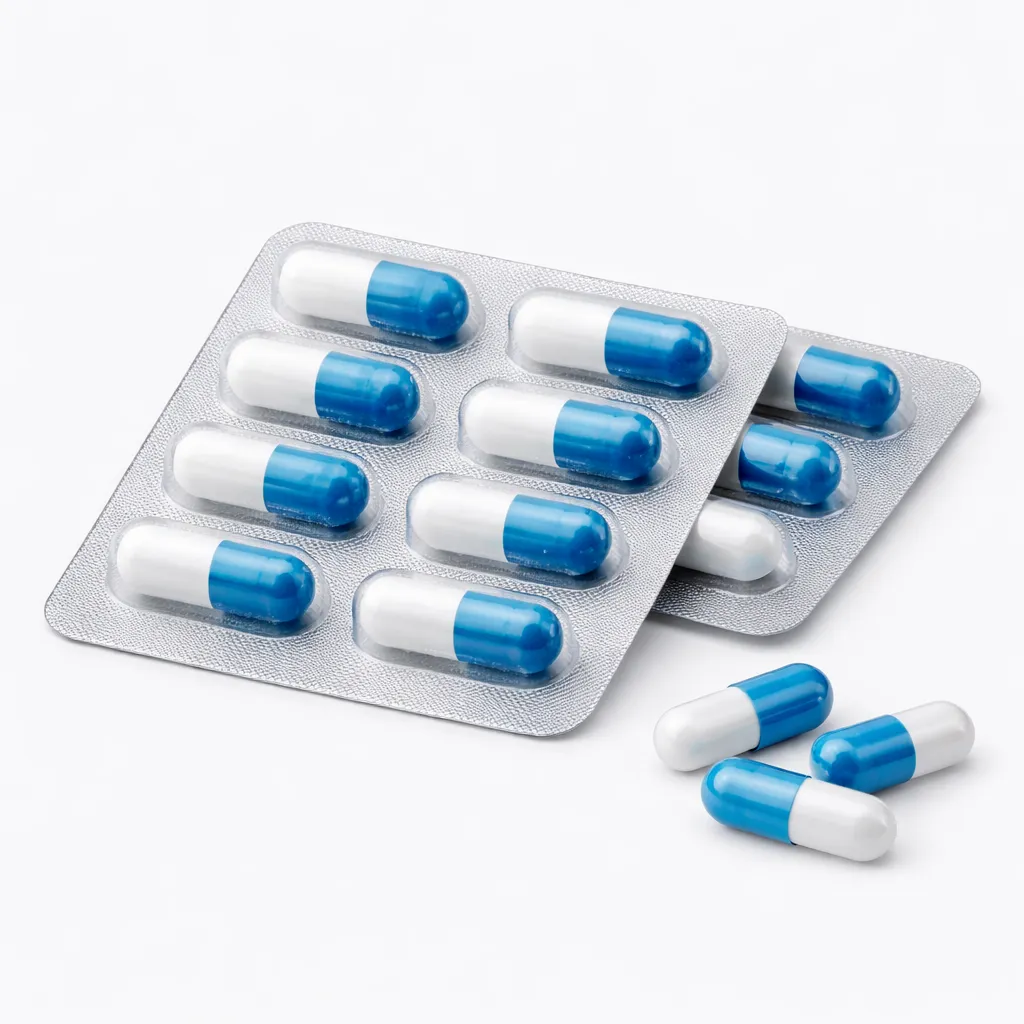
AMTAS 10MG (1X15)
Indications
AMTAS 10MG is primarily indicated for the management of hypertension (high blood pressure) in adults. It may be used alone or in combination with other antihypertensive agents to achieve optimal blood pressure control. Additionally, AMTAS can be prescribed for the treatment of certain cardiovascular conditions as determined by a healthcare provider.
Mechanism of Action
AMTAS contains Amlodipine, a dihydropyridine calcium channel blocker. The primary mechanism of action of Amlodipine involves the inhibition of calcium ions from entering vascular smooth muscle and cardiac muscle. By blocking these calcium channels, Amlodipine causes vasodilation, which leads to a decrease in peripheral vascular resistance and subsequently lowers blood pressure. This action also helps in reducing the workload on the heart, making it beneficial for patients with certain cardiac conditions.
Pharmacological Properties
Amlodipine exhibits a long half-life, allowing for once-daily dosing, which enhances patient compliance. The drug is well absorbed from the gastrointestinal tract, with peak plasma concentrations occurring approximately 6 to 12 hours after administration. Amlodipine is extensively metabolized in the liver, and its metabolites are primarily excreted in the urine. The pharmacokinetics of Amlodipine can be influenced by factors such as age, liver function, and concomitant medications.
Contraindications
AMTAS is contraindicated in patients with a known hypersensitivity to Amlodipine or any of the excipients in the formulation. It should not be used in patients with severe hypotension, cardiogenic shock, or aortic stenosis. Additionally, caution is advised in patients with severe liver impairment, as this may affect the metabolism and excretion of the drug.
Side Effects
Common side effects associated with AMTAS include peripheral edema, dizziness, flushing, palpitations, and fatigue. More serious but less common side effects may include hypotension, bradycardia, and allergic reactions such as rash or angioedema. Patients should be advised to report any unusual symptoms to their healthcare provider promptly. Regular monitoring of blood pressure and heart rate is recommended to ensure safety and efficacy.
Dosage and Administration
The typical starting dose of AMTAS is 5 mg once daily, which may be increased to 10 mg based on the patient’s response and blood pressure readings. It is important to take AMTAS at the same time each day to maintain consistent blood levels. The tablet should be swallowed whole with water and can be taken with or without food. Dosage adjustments may be necessary for elderly patients or those with hepatic impairment.
Interactions
AMTAS may interact with other medications, which can affect its efficacy and safety. Co-administration with other antihypertensive agents may lead to additive hypotensive effects. Caution is advised when used with medications that can affect liver enzymes, such as certain antifungal agents and antibiotics, as they may alter the metabolism of Amlodipine. Patients should inform their healthcare provider of all medications, including over-the-counter drugs and supplements, to avoid potential interactions.
Precautions
Before initiating treatment with AMTAS, a thorough medical history should be obtained, and a physical examination should be conducted. Special caution is warranted in patients with heart failure, as Amlodipine can potentially worsen this condition. Monitoring of renal function is also recommended, particularly in patients with pre-existing kidney issues. Patients should be advised to avoid abrupt discontinuation of the medication, as this may lead to rebound hypertension.
Clinical Studies
Clinical studies have demonstrated the efficacy of Amlodipine in lowering blood pressure and reducing cardiovascular events in hypertensive patients. In a randomized controlled trial, patients treated with Amlodipine showed significant reductions in systolic and diastolic blood pressure compared to placebo. Furthermore, long-term studies have indicated that Amlodipine may reduce the incidence of stroke and myocardial infarction in patients with hypertension, highlighting its role in cardiovascular risk reduction.
Conclusion
AMTAS 10MG is an effective and well-tolerated medication for the management of hypertension. Its mechanism of action as a calcium channel blocker allows for effective blood pressure control and reduction in cardiovascular risk. However, it is essential for patients to be monitored regularly for side effects and interactions with other medications. As with any antihypertensive therapy, adherence to prescribed treatment and lifestyle modifications are crucial for optimal outcomes.
Important
Responsible use of AMTAS is crucial for achieving the best therapeutic outcomes. Patients should follow their healthcare provider’s instructions and report any side effects or concerns promptly. Regular follow-ups and monitoring are essential to ensure the safe and effective use of this medication.