Description
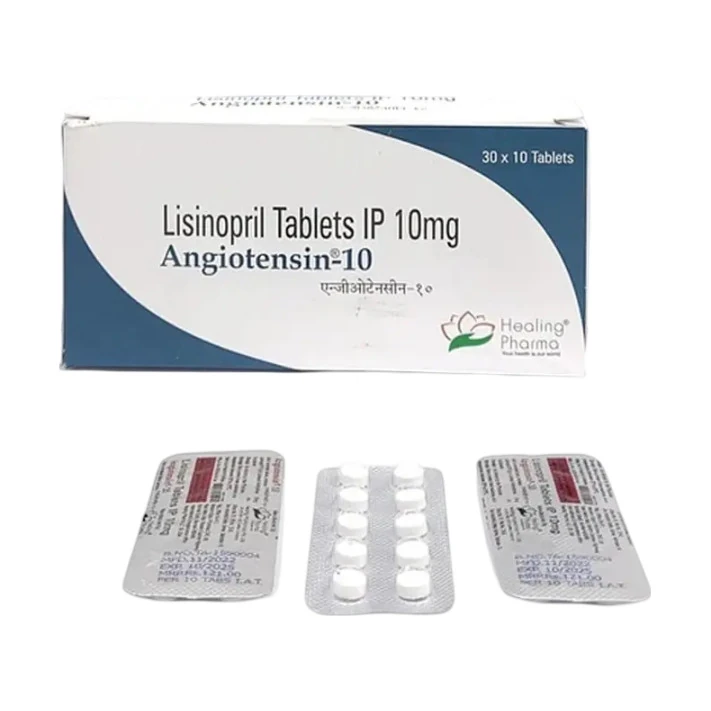
Angiotensin (Lisinopril) 10 mg
Angiotensin 10 mg is a product name identified here as lisinopril, an angiotensin-converting enzyme (ACE) inhibitor. Lisinopril is a prescription medicine used in the management of several cardiovascular conditions, most notably high blood pressure.
Active Ingredient and Medicine Class
The verified active ingredient is lisinopril. It belongs to the ACE inhibitor class of medicines. Lisinopril is an orally active, nonsulfhydryl ACE inhibitor and is not metabolized to an active form.
Established Medical Uses
Regulatory prescribing information lists lisinopril for the treatment of hypertension, heart failure, and reduction of mortality after acute myocardial infarction. Lowering blood pressure can help reduce the long-term cardiovascular burden associated with hypertension.
How It Works
Lisinopril blocks ACE, an enzyme involved in forming angiotensin II. This reduces angiotensin II and aldosterone activity, helping blood vessels relax and lowering blood pressure. The same mechanism can reduce the workload on the heart in certain cardiovascular conditions.
Important Safety Information
Lisinopril is contraindicated in people with angioedema or a history of hereditary or idiopathic angioedema, in those with hypersensitivity to the drug, and in patients with diabetes receiving aliskiren together with lisinopril. It carries a boxed warning for fetal toxicity; pregnancy exposure can cause serious harm to the developing fetus.
Important precautions include possible renal impairment, hypotension, hyperkalemia, and rare hepatic injury. Clinically significant interactions include diuretics, NSAIDs, lithium, dual renin-angiotensin system blockade, gold, mTOR inhibitors, and neprilysin inhibitors.
Possible Side Effects
Common adverse effects reported in prescribing information include headache, dizziness, and cough. Other important reactions can include hypotension, chest pain, angioedema, worsening kidney function, and elevated potassium levels.
Scientific Evidence
Peer-reviewed reviews describe lisinopril as an effective ACE inhibitor for blood pressure control, with a predictable reduction in angiotensin II and aldosterone activity. Clinical literature also notes its established role in hypertension and cardiovascular risk reduction, with safety concerns typical of the ACE inhibitor class.
Medical Information Notice
This page is an educational summary based on sources available at the time of review. It does not replace the official patient leaflet, prescribing information, or assessment by a qualified healthcare professional.
Medical Sources
- DailyMed / FDA: Lisinopril tablets, full prescribing information
- Terrell JM, et al. “Lisinopril.” StatPearls (PubMed, 2018). PubMed article page