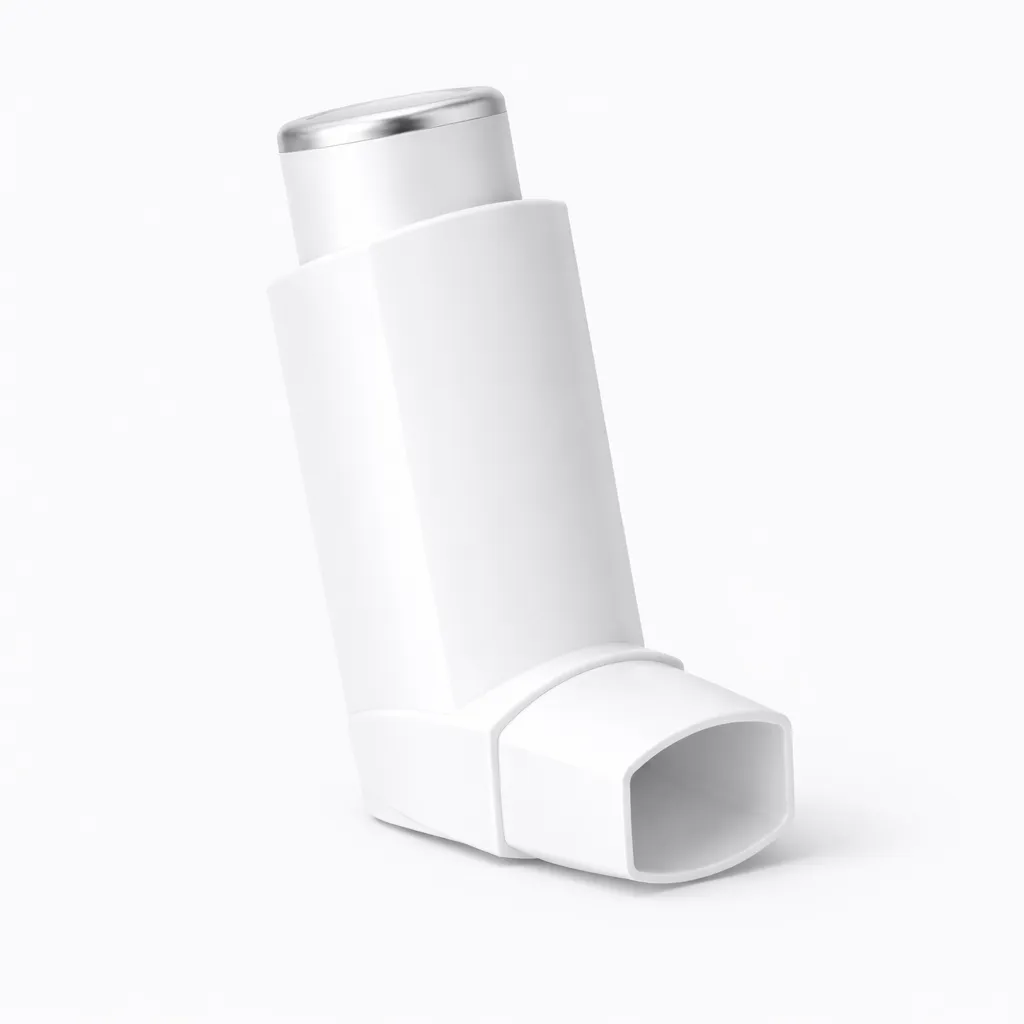
Description
ARKAMIN 100 MCG (1X30)
Indications
ARKAMIN 100 MCG is primarily indicated for the treatment of conditions associated with low levels of catecholamines, such as hypotension and certain types of shock. It is also used in the management of specific types of heart failure where increased catecholamine levels are beneficial. Additionally, ARKAMIN may be prescribed for patients undergoing certain surgical procedures to maintain hemodynamic stability.
Mechanism of Action
The active ingredient in ARKAMIN is a synthetic catecholamine that acts as a potent agonist of adrenergic receptors. By stimulating these receptors, ARKAMIN increases heart rate, myocardial contractility, and systemic vascular resistance. This leads to an elevation in blood pressure and improved perfusion to vital organs. The drug’s action is particularly beneficial in patients with compromised cardiovascular function, allowing for enhanced cardiac output and oxygen delivery to tissues.
Pharmacological Properties
ARKAMIN exhibits a rapid onset of action, with effects typically observed within minutes of administration. The pharmacokinetics of ARKAMIN indicate that it is rapidly metabolized by catechol-O-methyltransferase and monoamine oxidase, leading to a relatively short half-life. This necessitates careful monitoring and potential dose adjustments in patients with impaired hepatic function. The drug is available in a convenient formulation that allows for both intravenous and subcutaneous administration, providing flexibility in treatment options.
Contraindications
ARKAMIN should not be used in patients with known hypersensitivity to the active ingredient or any of the excipients in the formulation. It is also contraindicated in patients with pheochromocytoma, a tumor of the adrenal gland that secretes catecholamines, as well as in those with severe hypertension or tachyarrhythmias. Caution is advised when considering ARKAMIN for patients with a history of cardiovascular disease, particularly those with coronary artery disease or arrhythmias.
Side Effects
Common side effects associated with ARKAMIN include headache, palpitations, and increased heart rate. Patients may also experience hypertension, anxiety, or tremors as a result of adrenergic stimulation. In rare cases, more serious side effects such as myocardial ischemia or arrhythmias may occur, particularly in patients with pre-existing heart conditions. It is essential for healthcare providers to monitor patients closely for any adverse reactions during treatment.
Dosage and Administration
The dosage of ARKAMIN must be tailored to the individual patient’s needs and clinical response. For adults, the initial dose typically ranges from 50 to 100 mcg, administered intravenously or subcutaneously. Subsequent doses may be adjusted based on the patient’s hemodynamic status and response to therapy. Continuous monitoring of blood pressure and heart rate is recommended during treatment to ensure optimal dosing and to minimize the risk of adverse effects. In pediatric populations, dosing should be determined by a qualified healthcare provider based on weight and clinical condition.
Interactions
ARKAMIN may interact with various medications, particularly those that affect the cardiovascular system. Concurrent use with other sympathomimetic agents can potentiate the effects of ARKAMIN, leading to increased risk of hypertension and tachycardia. Additionally, certain antidepressants, particularly monoamine oxidase inhibitors (MAOIs), may enhance the effects of ARKAMIN and should be used with caution. It is crucial for healthcare providers to conduct a thorough medication review prior to initiating ARKAMIN therapy to identify any potential interactions that may compromise patient safety.
Precautions
Before initiating treatment with ARKAMIN, healthcare providers should perform a comprehensive assessment of the patient’s medical history, including any history of cardiovascular disease, renal impairment, or endocrine disorders. Special caution should be exercised in patients with diabetes, as ARKAMIN may affect glucose metabolism. Continuous monitoring of vital signs is essential during treatment, and patients should be educated on the signs and symptoms of potential side effects. If any severe adverse reactions occur, treatment should be discontinued immediately, and appropriate medical intervention should be sought.
Clinical Studies
Clinical studies evaluating the efficacy and safety of ARKAMIN have demonstrated its effectiveness in managing hypotension and improving hemodynamic parameters in critically ill patients. Research has shown that ARKAMIN administration can lead to significant increases in cardiac output and blood pressure, particularly in patients with septic shock. Furthermore, studies have indicated that ARKAMIN may improve outcomes in patients undergoing major surgical procedures by maintaining hemodynamic stability. Ongoing research continues to explore the full therapeutic potential of ARKAMIN in various clinical settings.
Conclusion
ARKAMIN 100 MCG is a valuable therapeutic option for managing conditions associated with low catecholamine levels, particularly in critical care settings. Its mechanism of action, pharmacological properties, and clinical efficacy make it an important tool for healthcare providers in the management of hypotension and hemodynamic instability. However, careful consideration of contraindications, potential side effects, and drug interactions is essential to ensure safe and effective use. As with any medication, ongoing monitoring and patient education are critical components of successful treatment with ARKAMIN.
Important
It is essential to use ARKAMIN responsibly and under the guidance of a qualified healthcare provider. Patients should be aware of the potential side effects and interactions associated with this medication. Always consult with a healthcare professional before starting or discontinuing any medication.