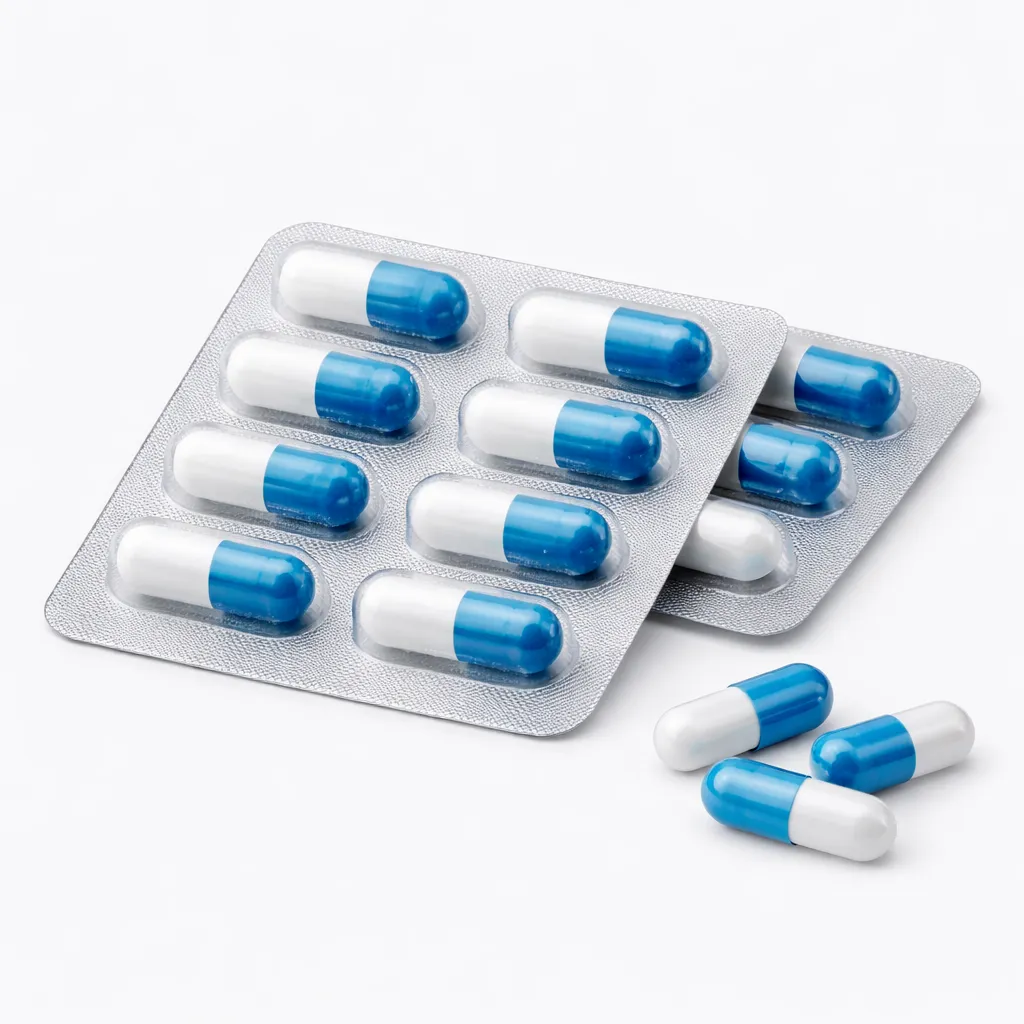
Description
ARPIMUNE-ME 100 MG (1X5)
Indications
ARPIMUNE-ME 100 MG is primarily indicated for the prevention of organ rejection in patients who have undergone kidney, liver, or heart transplantation. It is also utilized in the treatment of autoimmune diseases such as rheumatoid arthritis and psoriasis. The medication is effective in suppressing the immune system to prevent it from attacking transplanted organs or the body’s own tissues in autoimmune conditions.
Mechanism of Action
The active ingredient in ARPIMUNE-ME is mycophenolate mofetil (MMF), which is a prodrug that is converted into mycophenolic acid in the body. Mycophenolic acid inhibits the enzyme inosine monophosphate dehydrogenase (IMPDH), which is crucial for the de novo pathway of purine synthesis. This pathway is particularly important for lymphocytes, as they rely on it for proliferation. By inhibiting IMPDH, ARPIMUNE-ME effectively reduces the proliferation of T and B lymphocytes, thereby suppressing the immune response and preventing organ rejection.
Pharmacological Properties
ARPIMUNE-ME exhibits a pharmacokinetic profile characterized by rapid absorption and extensive metabolism. After oral administration, peak plasma concentrations of mycophenolic acid are typically reached within 1 to 2 hours. The drug is highly protein-bound (approximately 97%), and its elimination half-life is approximately 16 to 18 hours. Mycophenolic acid undergoes extensive hepatic metabolism, primarily via UDP-glucuronosyltransferase enzymes, leading to the formation of inactive metabolites. The drug is primarily excreted in the urine, with less than 1% of the dose appearing unchanged.
Contraindications
ARPIMUNE-ME is contraindicated in patients with a known hypersensitivity to mycophenolate mofetil or any of its components. It should also be avoided in individuals who are pregnant or breastfeeding due to potential teratogenic effects. Additionally, patients with severe renal impairment or active infections, particularly those caused by cytomegalovirus (CMV), should not use this medication without careful consideration and monitoring.
Side Effects
Common side effects associated with ARPIMUNE-ME include gastrointestinal disturbances such as diarrhea, nausea, and vomiting. Other side effects may include headache, dizziness, and abdominal pain. Serious adverse effects can occur, including an increased risk of infections, malignancies, and hematological abnormalities such as leukopenia and thrombocytopenia. Patients should be monitored regularly for these potential complications, especially during the initial phases of treatment.
Dosage and Administration
The recommended dosage of ARPIMUNE-ME varies based on the indication and the patient’s clinical condition. For adult kidney transplant patients, the typical starting dose is 1 gram taken orally twice daily. For liver and heart transplant patients, the dosage may be adjusted according to the physician’s discretion. It is essential to take the medication consistently, either with or without food, to maintain stable drug levels in the body. Patients should be advised not to crush or chew the tablets, as this may affect the drug’s absorption.
Interactions
ARPIMUNE-ME may interact with several medications, potentially altering its effectiveness or increasing the risk of side effects. Drugs that inhibit or induce the cytochrome P450 system can affect the metabolism of mycophenolate mofetil. Additionally, concomitant use of immunosuppressants, anticoagulants, and certain antibiotics may require dosage adjustments and careful monitoring. It is crucial for patients to inform their healthcare providers about all medications they are taking, including over-the-counter drugs and herbal supplements.
Precautions
Patients receiving ARPIMUNE-ME should be closely monitored for signs of infection, particularly during the first few months of therapy when the immune system is most suppressed. Regular blood tests are recommended to assess complete blood counts and renal function. Women of childbearing potential should be advised to use effective contraception during treatment and for at least six weeks after discontinuation of therapy due to the risk of fetal harm. Patients should also be counseled on the importance of adhering to their prescribed immunosuppressive regimen to prevent organ rejection.
Clinical Studies
Clinical studies have demonstrated the efficacy of ARPIMUNE-ME in preventing organ rejection in transplant patients. A pivotal trial showed that patients receiving mycophenolate mofetil in combination with other immunosuppressants had a significantly lower incidence of acute rejection compared to those receiving alternative regimens. Furthermore, long-term studies have indicated that patients on mycophenolate mofetil have comparable outcomes in terms of graft survival and overall mortality compared to those on traditional therapies. These findings underscore the importance of ARPIMUNE-ME in modern transplant protocols.
Conclusion
ARPIMUNE-ME 100 MG is a vital medication in the management of organ transplantation and autoimmune diseases. Its mechanism of action, pharmacological properties, and clinical efficacy make it a cornerstone in immunosuppressive therapy. However, careful monitoring for side effects and drug interactions is essential to ensure patient safety and treatment success. Patients should work closely with their healthcare providers to optimize their treatment regimen and adhere to prescribed guidelines.
Important
It is crucial to use ARPIMUNE-ME responsibly and under the guidance of a qualified healthcare professional. Misuse or unsupervised use can lead to serious health complications. Always follow your healthcare provider’s instructions and report any unusual symptoms immediately.