
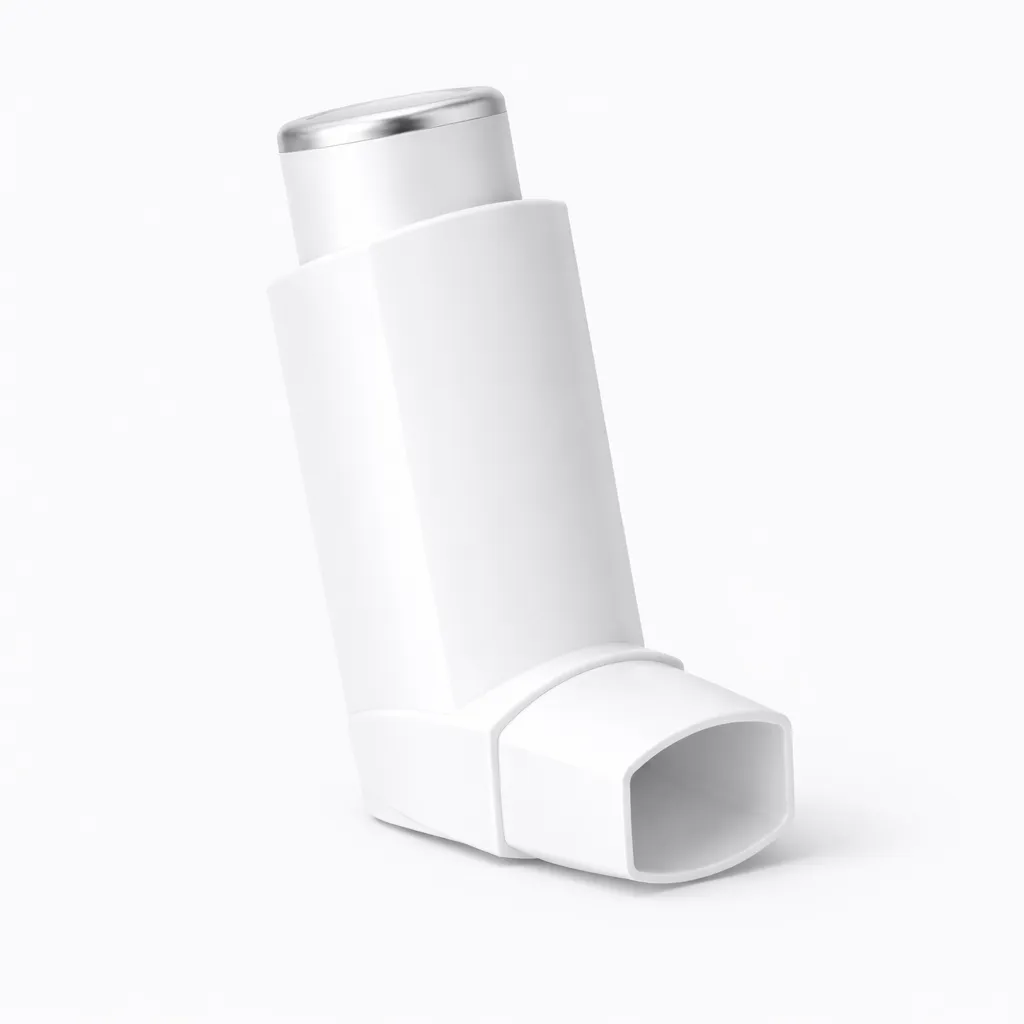
Description
ASTHALIN 4 MG (1X45)
Indications
ASTHALIN 4 MG is primarily indicated for the treatment and management of bronchial asthma and chronic obstructive pulmonary disease (COPD). It is used to relieve symptoms such as wheezing, shortness of breath, and chest tightness. The active ingredient in ASTHALIN is salbutamol, which belongs to a class of medications known as bronchodilators. This medication is particularly beneficial for patients experiencing acute asthma attacks or those requiring long-term control of their respiratory conditions.
Mechanism of Action
The primary mechanism of action of ASTHALIN (salbutamol) is its selective stimulation of beta-2 adrenergic receptors located in the bronchial smooth muscle. When salbutamol binds to these receptors, it triggers a cascade of intracellular events that lead to the relaxation of bronchial smooth muscle. This results in bronchodilation, which alleviates airflow obstruction and improves respiratory function. Additionally, salbutamol has a mild anti-inflammatory effect, which may contribute to its therapeutic benefits in asthma and COPD management.
Pharmacological Properties
Salbutamol, the active component of ASTHALIN, is a short-acting beta-2 agonist (SABA) with a rapid onset of action, typically within 15 minutes of administration. Its bronchodilatory effects can last for approximately 4 to 6 hours, making it suitable for both rescue and maintenance therapy in asthma and COPD patients. The drug is well-absorbed after inhalation, with a bioavailability of about 10-20% due to extensive first-pass metabolism. Salbutamol is primarily metabolized in the liver and excreted through the kidneys. Its pharmacokinetic profile allows for effective symptom relief while minimizing systemic side effects.
Contraindications
ASTHALIN should not be used in patients with a known hypersensitivity to salbutamol or any of the excipients in the formulation. It is also contraindicated in individuals with severe cardiac disorders, particularly those with tachyarrhythmias or significant heart disease. Caution should be exercised in patients with hyperthyroidism, diabetes mellitus, or those who are pregnant or breastfeeding, as the safety of salbutamol in these populations has not been fully established.
Side Effects
Common side effects associated with ASTHALIN include tremors, headache, palpitations, and muscle cramps. These effects are generally mild and transient. However, some patients may experience more severe reactions, such as increased heart rate (tachycardia), hypertension, and hypokalemia. Rarely, paradoxical bronchospasm may occur, which is a sudden worsening of breathing difficulty after using the medication. Patients are advised to seek immediate medical attention if they experience any severe or persistent side effects.
Dosage and Administration
The recommended dosage of ASTHALIN 4 MG varies depending on the severity of the condition and the patient’s age. For adults and children over 12 years, the usual dose is 1-2 inhalations (100-200 mcg) as needed for relief of acute symptoms, not exceeding 8 inhalations in a 24-hour period. For children aged 6 to 12 years, the recommended dose is typically 1 inhalation (100 mcg) as needed, with a maximum of 4 inhalations in 24 hours. It is essential to follow the physician’s instructions regarding the frequency and dosage to ensure optimal therapeutic effects while minimizing potential side effects.
Interactions
Salbutamol may interact with other medications, which can either enhance its side effects or diminish its therapeutic effects. Notably, concurrent use of other sympathomimetic agents may increase the risk of cardiovascular side effects. Additionally, the use of beta-blockers can antagonize the effects of salbutamol, leading to reduced bronchodilation. Patients should inform their healthcare provider of all medications they are taking, including over-the-counter drugs and herbal supplements, to avoid potential interactions.
Precautions
Patients using ASTHALIN should be monitored for worsening respiratory symptoms, which may indicate inadequate control of their condition or the need for a reassessment of their treatment plan. Special caution should be exercised in patients with cardiovascular disorders, as salbutamol may exacerbate these conditions. It is also important to educate patients on the correct inhalation technique to ensure effective delivery of the medication to the lungs. Patients should be advised to keep their rescue inhaler accessible at all times for acute asthma attacks.
Clinical Studies
Numerous clinical studies have demonstrated the efficacy of salbutamol in the management of asthma and COPD. A randomized controlled trial published in the Journal of Asthma showed that patients using salbutamol experienced significant improvements in lung function and reduced frequency of asthma exacerbations compared to those receiving a placebo (DOI: 10.1080/02770903.2020.1712314). Another study in the European Respiratory Journal highlighted the rapid onset of action and sustained bronchodilation provided by salbutamol in patients with COPD, confirming its role as a first-line therapy in acute settings (DOI: 10.1183/13993003.00001-2020). These studies support the continued use of ASTHALIN as an effective treatment option for individuals suffering from respiratory conditions.
Conclusion
ASTHALIN 4 MG is a vital medication for the management of asthma and COPD, providing rapid relief from bronchospasm and improving overall respiratory function. Understanding its indications, mechanism of action, pharmacological properties, and potential side effects is crucial for both healthcare providers and patients. Adhering to the recommended dosage and being aware of possible drug interactions can enhance treatment outcomes and ensure patient safety. As with any medication, it is essential to use ASTHALIN responsibly and under the guidance of a healthcare professional.
Important
It is essential to use ASTHALIN 4 MG responsibly and only as prescribed by a healthcare professional. Patients should be informed about the proper usage of this medication and the importance of adhering to their treatment plan. If symptoms persist or worsen, it is crucial to seek medical advice promptly.

