Description
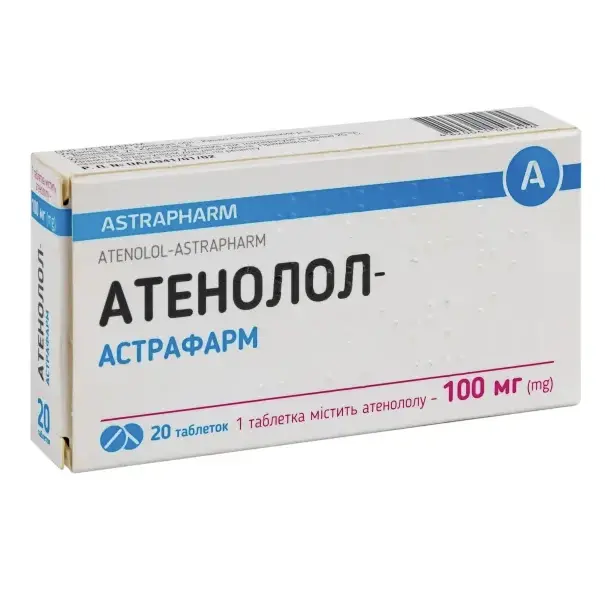
Atenolol 100 mg (20 Tablets)
Atenolol 100 mg is a commonly prescribed cardiovascular medication used for the management of hypertension, angina pectoris, and certain cardiac rhythm disorders. It belongs to the class of beta-adrenergic blockers and is known for its selective action on β1 receptors in the heart.
This formulation contains 100 mg per tablet and is supplied in packs of 20 tablets. The medication is widely used in clinical practice due to its predictable effects and established safety profile in long-term cardiovascular care.
Composition and Dosage Form
- Active ingredient: Atenolol 100 mg
- Dosage form: Oral tablets
- Packaging: 20 tablets per pack
The tablet form allows convenient administration, often with once-daily dosing depending on medical recommendations.
Pharmacological Classification
- Pharmacological group: Beta-adrenergic blocking agent
- Subclass: Selective β1-blocker
- ATC code: C07AB03
This medication primarily targets cardiac β1 receptors, helping regulate heart activity while minimizing effects on other systems.
Mechanism of Action
The drug reduces the effects of adrenaline and noradrenaline on the heart by blocking β1 receptors. This leads to a decrease in heart rate, contractility, and overall cardiac workload.
As a result, blood pressure is lowered and oxygen demand of the heart is reduced, which is beneficial in conditions such as hypertension and angina.
Clinical pharmacology data confirm its role in lowering heart rate and improving cardiovascular efficiency.
NCBI – Atenolol pharmacology
In addition, it suppresses renin release, contributing to its antihypertensive effect.
NCBI – Beta-blockers and RAAS
Pharmacokinetics
- Absorption: Rapid after oral intake
- Peak concentration: 2–4 hours
- Half-life: Approximately 5–6 hours
- Duration of action: Up to 24 hours
- Excretion: Mainly renal
Due to its relatively low penetration into the central nervous system, it may have fewer central side effects compared to some other agents in this class.
Indications for Use
This medication is used in the management of several cardiovascular conditions:
Hypertension
Helps reduce elevated blood pressure and lowers the risk of long-term complications.
Angina Pectoris
Decreases cardiac workload and helps prevent chest pain episodes.
Cardiac Arrhythmias
Stabilizes heart rhythm by reducing excessive sympathetic activity.
Post-Myocardial Infarction
Used as part of secondary prevention after heart attack.
Drug reference
Additional Uses
- Migraine prevention
- Management of anxiety-related symptoms
- Control of tachycardia
Clinical Evidence
Atenolol has been extensively studied in clinical practice and remains a well-established option in cardiovascular therapy.
Clinical reviews highlight its effectiveness in reducing cardiac workload and improving patient outcomes.
Clinical review (PMC)
More recent studies continue to support its role in long-term management of cardiovascular conditions.
Recent research (Springer)
Dosage and Administration
- Hypertension: 50–100 mg once daily
- Angina: 50–100 mg once daily
- Arrhythmias: Individualized dosing
Dosage adjustments may be required in patients with impaired renal function.
Safety and Side Effects
Common Effects
- Fatigue
- Dizziness
- Cold extremities
- Bradycardia
Less Common Effects
- Sleep disturbances
- Mood changes
- Gastrointestinal discomfort
Adverse reactions are usually mild and dose-dependent.
Contraindications
- Severe bradycardia
- Cardiogenic shock
- Uncontrolled heart failure
- Hypersensitivity
Precautions
- Use cautiously in patients with respiratory conditions
- Monitor kidney function during long-term therapy
- Avoid abrupt discontinuation
Drug Interactions
- Calcium channel blockers
- Other antihypertensive agents
- Antiarrhythmic medications
- Antidiabetic drugs
Storage Conditions
- Store below 25°C
- Keep in a dry place
- Protect from light
Frequently Asked Questions (FAQ)
What is Atenolol 100 mg used for?
It is used to manage high blood pressure, angina, and certain heart rhythm disorders.
How does it work?
It reduces heart rate and lowers blood pressure by blocking specific receptors in the heart.
How quickly does it take effect?
Initial effects may occur within hours, while full benefits develop over several days.
Can it be taken once daily?
Yes, it is commonly prescribed as a once-daily medication.
Is it safe?
It is generally well tolerated when used as directed by a healthcare professional.
Are side effects common?
Some patients may experience mild effects such as fatigue or dizziness.
Conclusion
Atenolol 100 mg remains a widely used option in cardiovascular care due to its proven effectiveness and predictable action. Its selective effect on the heart makes it a reliable choice for long-term management of blood pressure and cardiac conditions.