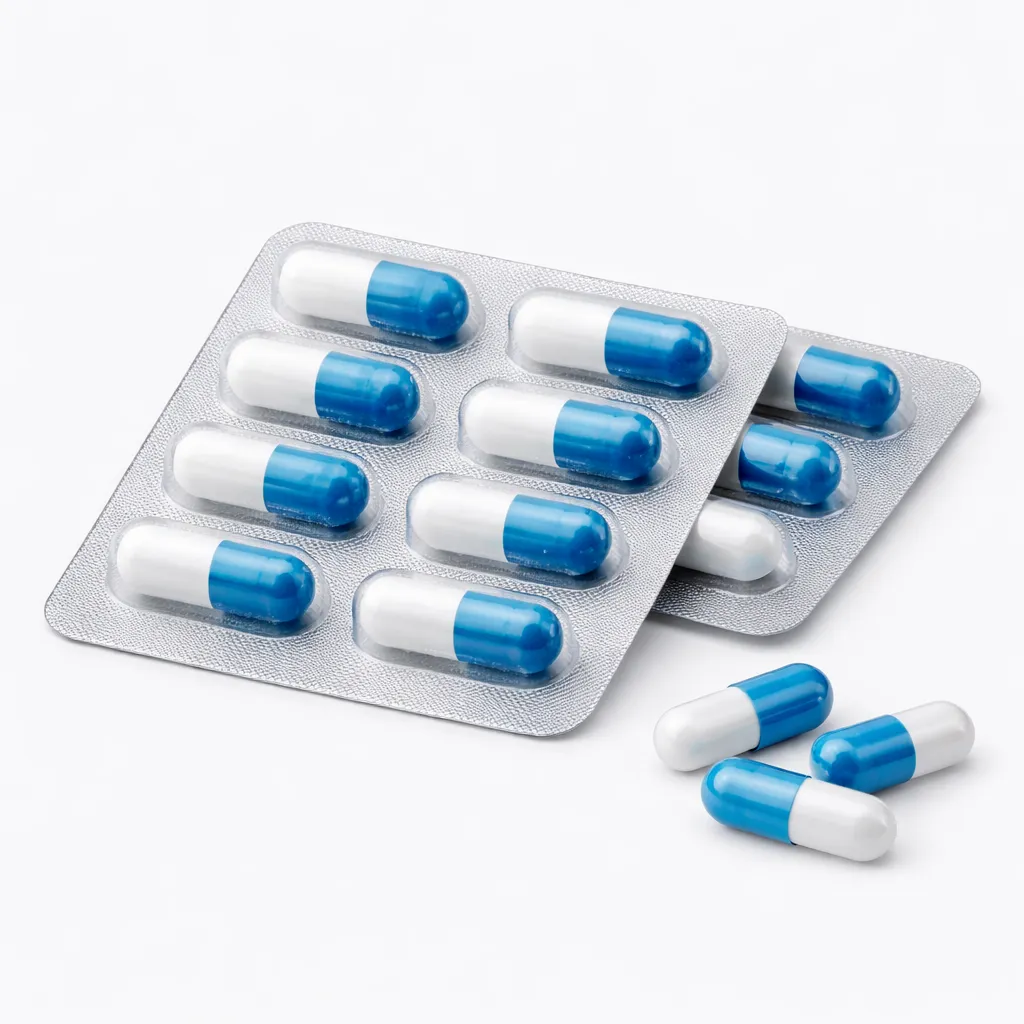
Description
ATORVA 10 MG (1X15)
Indications
ATORVA 10 MG is primarily indicated for the management of hyperlipidemia, specifically for patients with elevated levels of low-density lipoprotein (LDL) cholesterol. It is used to lower total cholesterol, LDL cholesterol, and triglyceride levels while increasing high-density lipoprotein (HDL) cholesterol. This medication is often prescribed for individuals with a history of cardiovascular diseases or those at high risk for developing heart-related conditions. Additionally, ATORVA may be utilized as part of a treatment strategy to reduce the risk of myocardial infarction, stroke, and other cardiovascular events in patients with established atherosclerosis.
Mechanism of Action
ATORVA, containing atorvastatin as its active ingredient, functions as a competitive inhibitor of HMG-CoA reductase, an enzyme crucial for cholesterol biosynthesis in the liver. By inhibiting this enzyme, atorvastatin effectively reduces the synthesis of cholesterol, leading to a decrease in intracellular cholesterol levels. This reduction prompts the liver to increase the uptake of LDL cholesterol from the bloodstream, thereby lowering circulating LDL levels. Additionally, atorvastatin has been shown to have pleiotropic effects, including improving endothelial function and exerting anti-inflammatory properties, which further contribute to its cardiovascular protective effects.
Pharmacological Properties
ATORVA is classified as a statin, belonging to the class of lipid-lowering agents. It is well-absorbed after oral administration, with peak plasma concentrations typically reached within 1 to 2 hours. The bioavailability of atorvastatin is approximately 14%, and its effects can last up to 24 hours, allowing for once-daily dosing. The drug undergoes extensive hepatic metabolism, primarily via the cytochrome P450 3A4 pathway, resulting in several active metabolites. Atorvastatin is excreted mainly in the bile, with a small percentage eliminated through urine. Its pharmacokinetic properties enable effective management of lipid levels with a favorable safety profile.
Contraindications
ATORVA is contraindicated in patients with a known hypersensitivity to atorvastatin or any of its components. It should not be used in individuals with active liver disease, including unexplained persistent elevations of serum transaminases. Additionally, ATORVA is not recommended for use during pregnancy or lactation due to potential risks to the fetus or nursing infant. Patients with a history of myopathy or rhabdomyolysis associated with previous statin therapy should also avoid this medication.
Side Effects
While ATORVA is generally well-tolerated, some patients may experience side effects. Common adverse effects include gastrointestinal disturbances such as abdominal pain, constipation, diarrhea, and nausea. Musculoskeletal symptoms, including myalgia, muscle cramps, and weakness, have also been reported. Rare but serious side effects include liver enzyme elevations, rhabdomyolysis, and acute kidney injury. Patients should be monitored for signs of muscle pain or weakness, particularly during the initial months of therapy or when the dosage is increased.
Dosage and Administration
The recommended starting dose of ATORVA is typically 10 mg once daily, which may be adjusted based on the patient’s lipid levels and therapeutic response. The maximum recommended dose is 80 mg per day. ATORVA can be taken with or without food, and it is important for patients to adhere to their prescribed regimen. Regular monitoring of lipid levels and liver function tests is advised to ensure efficacy and safety during treatment. Patients should be counseled on lifestyle modifications, including diet and exercise, to enhance the therapeutic effects of atorvastatin.
Interactions
ATORVA may interact with various medications, which can affect its efficacy and safety. Co-administration with strong CYP3A4 inhibitors, such as ketoconazole, erythromycin, and certain HIV protease inhibitors, may increase atorvastatin plasma concentrations, elevating the risk of adverse effects. Conversely, drugs that induce CYP3A4, such as rifampin and St. John’s Wort, may reduce atorvastatin levels, diminishing its therapeutic effects. Patients should inform their healthcare provider of all medications, supplements, and herbal products they are taking to avoid potential interactions.
Precautions
Before initiating therapy with ATORVA, a thorough medical history and assessment of liver function should be conducted. Caution is advised in patients with a history of liver disease, excessive alcohol consumption, or those who are elderly. Regular monitoring of liver enzymes is recommended, particularly during the first few months of treatment. Patients should be educated about the signs and symptoms of muscle-related side effects and advised to report any unusual muscle pain or weakness promptly. Additionally, ATORVA should be used with caution in patients with hypothyroidism or renal impairment, as these conditions may increase the risk of statin-related side effects.
Clinical Studies
Numerous clinical studies have demonstrated the efficacy of atorvastatin in reducing cardiovascular events and improving lipid profiles. The landmark ASCOT-LLA trial showed that atorvastatin significantly reduced the incidence of major cardiovascular events in hypertensive patients with elevated cholesterol levels. Another pivotal study, the 4S trial, established that atorvastatin therapy led to a substantial reduction in mortality and morbidity in patients with coronary heart disease. These studies, among others, have solidified atorvastatin’s role as a first-line therapy for hyperlipidemia and cardiovascular risk reduction.
Conclusion
ATORVA 10 MG is a potent statin medication that plays a crucial role in the management of hyperlipidemia and the prevention of cardiovascular diseases. Its mechanism of action, pharmacological properties, and extensive clinical evidence support its use in various patient populations. While generally well-tolerated, healthcare providers must remain vigilant for potential side effects and drug interactions. By adhering to prescribed dosages and monitoring lipid levels, patients can achieve optimal therapeutic outcomes with ATORVA.
Important
It is essential to use ATORVA responsibly and under the guidance of a healthcare professional. Patients should adhere to prescribed dosages and report any side effects to their doctor promptly. Lifestyle changes, including diet and exercise, are vital components of treatment and should be incorporated alongside medication.