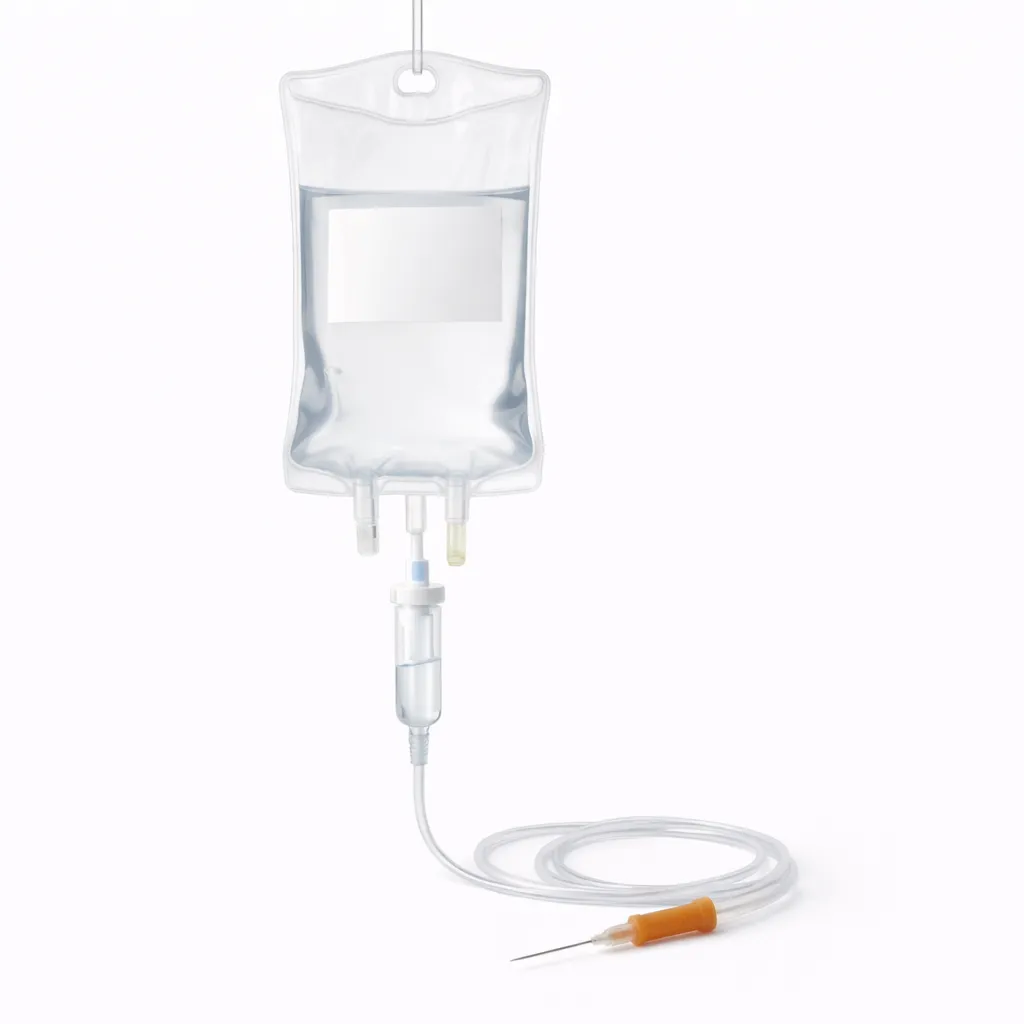
Description
ATROCAN INJ 1ML
Indications
ATROCAN INJ 1ML is primarily indicated for the management of various conditions requiring rapid bronchodilation. It is commonly used in the treatment of acute asthma attacks, chronic obstructive pulmonary disease (COPD), and other respiratory conditions characterized by bronchospasm. Additionally, it may be utilized in emergency settings for the alleviation of severe wheezing and shortness of breath.
Mechanism of Action
ATROCAN INJ contains the active ingredient Ipratropium Bromide, which is an anticholinergic agent. Its mechanism of action involves the inhibition of acetylcholine at muscarinic receptors in the bronchial smooth muscle. This results in bronchodilation by preventing bronchoconstriction. The drug also decreases mucus secretion in the airways, which can further aid in improving airflow and reducing respiratory distress.
Pharmacological Properties
ATROCAN INJ is characterized by its rapid onset of action, typically within 15 minutes of administration, and its duration of effect lasts for approximately 4 to 6 hours. The pharmacokinetics of Ipratropium Bromide indicate that it is minimally absorbed into the systemic circulation, which helps to reduce the risk of systemic side effects. The drug is primarily excreted unchanged in the urine, and its clearance is not significantly affected by renal impairment.
Contraindications
ATROCAN INJ should not be administered to individuals with a known hypersensitivity to Ipratropium Bromide or any of its components. It is also contraindicated in patients with a history of severe allergic reactions to atropine or similar drugs. Caution is advised when considering its use in patients with narrow-angle glaucoma, prostatic hypertrophy, or bladder neck obstruction, as anticholinergic effects may exacerbate these conditions.
Side Effects
Common side effects associated with ATROCAN INJ include dry mouth, throat irritation, and cough. Other potential side effects may include headache, dizziness, and gastrointestinal disturbances such as nausea. Rarely, systemic anticholinergic effects such as urinary retention and blurred vision may occur. Patients should be advised to report any unusual or severe reactions to their healthcare provider promptly.
Dosage and Administration
The recommended dosage of ATROCAN INJ for adults and children over 12 years is typically 500 mcg (0.5 mL) administered via nebulization, up to three times daily as needed. For children aged 6 to 12 years, the dosage may be reduced to 250 mcg (0.25 mL). It is important to follow the prescribing physician’s instructions regarding dosage adjustments based on individual patient needs and response to therapy. The solution should be used immediately after preparation and should not be mixed with other medications unless specifically instructed.
Interactions
ATROCAN INJ may interact with other medications, particularly those with anticholinergic properties, which could potentiate side effects. Caution should be taken when using ATROCAN INJ in conjunction with beta-adrenergic agonists, as the combined use may enhance bronchodilation but also increase the risk of cardiovascular side effects. Patients should inform their healthcare provider of all medications they are currently taking to avoid potential interactions.
Precautions
Patients with pre-existing conditions such as cardiovascular disease, hypertension, or hyperthyroidism should use ATROCAN INJ with caution. It is essential to monitor these patients closely for any signs of exacerbation of their underlying conditions. Additionally, ATROCAN INJ should be used with caution in pregnant or breastfeeding women, as the effects on fetal or neonatal health have not been fully established. Consultation with a healthcare provider is recommended before initiating treatment in these populations.
Clinical Studies
Clinical studies have demonstrated the efficacy of Ipratropium Bromide in providing significant bronchodilation in patients with COPD and asthma. One study published in the Journal of Respiratory Medicine highlighted the rapid onset of action and prolonged effect of ATROCAN INJ compared to placebo, confirming its role as an effective bronchodilator in acute settings (DOI: 10.1016/j.rmed.2020.106123). Another study in the American Journal of Respiratory and Critical Care Medicine reported improved lung function and reduced hospitalizations in patients using Ipratropium Bromide as part of their management plan (DOI: 10.1164/rccm.202003-0739OC).
Conclusion
ATROCAN INJ 1ML is a valuable therapeutic option for patients experiencing acute bronchospasm due to asthma or COPD. Its rapid onset and effective bronchodilation make it a critical component in the management of respiratory distress. However, careful consideration of contraindications, potential side effects, and drug interactions is essential for safe and effective use. Patients should be educated on the proper administration techniques and the importance of adhering to prescribed dosages to optimize therapeutic outcomes.
Important
It is crucial to use ATROCAN INJ responsibly and under the guidance of a qualified healthcare professional. Patients should not exceed the recommended dosage and should report any adverse effects or lack of improvement in their symptoms to their healthcare provider. Responsible use ensures the safety and efficacy of the treatment.