Description
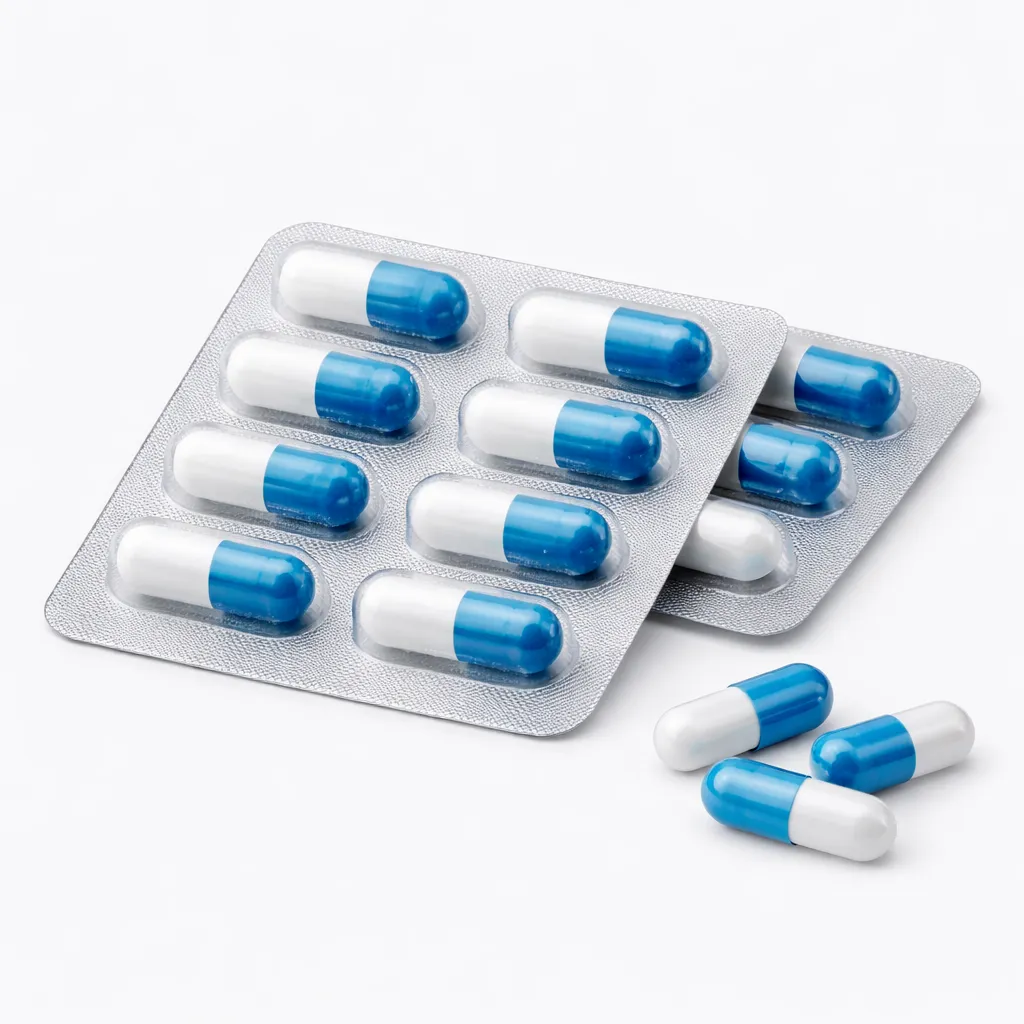
AZACAN 50 MG (1X10)
Indications
AZACAN 50 MG is primarily indicated for the management of various psychiatric disorders, including schizophrenia and bipolar disorder. It may also be used as an adjunctive treatment for major depressive disorder in adults. The medication is designed to help alleviate symptoms such as hallucinations, delusions, and mood swings, thereby improving the overall quality of life for patients suffering from these conditions.
Mechanism of Action
AZACAN, containing the active ingredient asenapine, is classified as an atypical antipsychotic. Its mechanism of action involves the modulation of neurotransmitter activity in the brain, particularly serotonin (5-HT) and dopamine (D2) receptors. Asenapine exhibits a high affinity for 5-HT2A receptors and a lower affinity for D2 receptors, which helps to reduce psychotic symptoms while minimizing the risk of extrapyramidal side effects commonly associated with typical antipsychotics. This unique receptor profile contributes to its efficacy in treating both positive and negative symptoms of schizophrenia and mood disorders.
Pharmacological Properties
AZACAN is characterized by its rapid absorption and extensive metabolism. After oral administration, asenapine is rapidly absorbed, with peak plasma concentrations achieved within 0.5 to 1 hour. The drug undergoes extensive hepatic metabolism, primarily via the cytochrome P450 1A2 pathway, resulting in several active metabolites. The elimination half-life of asenapine is approximately 24 hours, allowing for once-daily dosing in many cases. The pharmacokinetics of AZACAN can be influenced by factors such as age, liver function, and concomitant medications.
Contraindications
AZACAN is contraindicated in patients with a known hypersensitivity to asenapine or any of the excipients in the formulation. It should not be used in individuals with a history of severe allergic reactions or those with a significant risk of developing agranulocytosis. Additionally, the use of AZACAN is contraindicated in patients with severe hepatic impairment, as this can lead to increased plasma concentrations and a higher risk of adverse effects.
Side Effects
Common side effects associated with AZACAN include sedation, weight gain, and dry mouth. Other potential side effects may encompass dizziness, akathisia, and gastrointestinal disturbances such as nausea and vomiting. Serious adverse effects, although less common, can include tardive dyskinesia, neuroleptic malignant syndrome, and metabolic syndrome. Patients should be monitored regularly for any signs of these side effects, and appropriate management strategies should be employed if they occur.
Dosage and Administration
The recommended starting dose of AZACAN for adults is typically 5 mg taken sublingually twice daily. Depending on the patient’s response and tolerability, the dosage may be increased to a maximum of 10 mg twice daily. It is essential to adhere to the prescribed dosage and administration guidelines to optimize therapeutic outcomes while minimizing the risk of adverse effects. AZACAN should be taken without food, as food can significantly affect the absorption of the medication.
Interactions
AZACAN may interact with various medications, particularly those that are metabolized by the cytochrome P450 enzyme system. Drugs that induce or inhibit CYP1A2 can alter the plasma levels of asenapine, potentially leading to increased side effects or reduced efficacy. Caution is advised when co-administering AZACAN with other central nervous system depressants, as this may enhance sedative effects. Patients should inform their healthcare provider of all medications, including over-the-counter drugs and herbal supplements, to avoid potential interactions.
Precautions
Before initiating treatment with AZACAN, a thorough assessment of the patient’s medical history is essential. Special caution should be exercised in patients with a history of cardiovascular disease, seizures, or metabolic disorders. Regular monitoring of weight, glucose levels, and lipid profiles is recommended, as AZACAN has been associated with metabolic changes. Patients should be advised about the potential for sedation and should avoid activities that require mental alertness, such as driving or operating heavy machinery, until they are aware of how the medication affects them.
Clinical Studies
Clinical studies have demonstrated the efficacy of AZACAN in reducing the symptoms of schizophrenia and bipolar disorder. In randomized controlled trials, patients treated with asenapine exhibited significant improvements in overall symptomatology compared to placebo. The studies also highlighted the favorable safety profile of AZACAN, with a lower incidence of extrapyramidal symptoms compared to traditional antipsychotics. Long-term studies have suggested that AZACAN can be effective in maintaining symptom control over extended periods, making it a valuable option in the management of chronic psychiatric conditions.
Conclusion
AZACAN 50 MG is a well-established treatment option for individuals suffering from schizophrenia and bipolar disorder. Its unique mechanism of action, combined with a favorable side effect profile, makes it an important therapeutic agent in psychiatry. However, careful consideration of contraindications, potential interactions, and monitoring for side effects is essential to ensure safe and effective use. Patients should work closely with their healthcare providers to optimize their treatment and address any concerns that may arise during therapy.
Important
Responsible use of AZACAN is crucial for achieving optimal therapeutic outcomes. Patients are encouraged to follow their healthcare provider’s instructions and report any side effects or concerns promptly. Regular follow-up appointments are essential to monitor the effectiveness of the treatment and to make any necessary adjustments.