
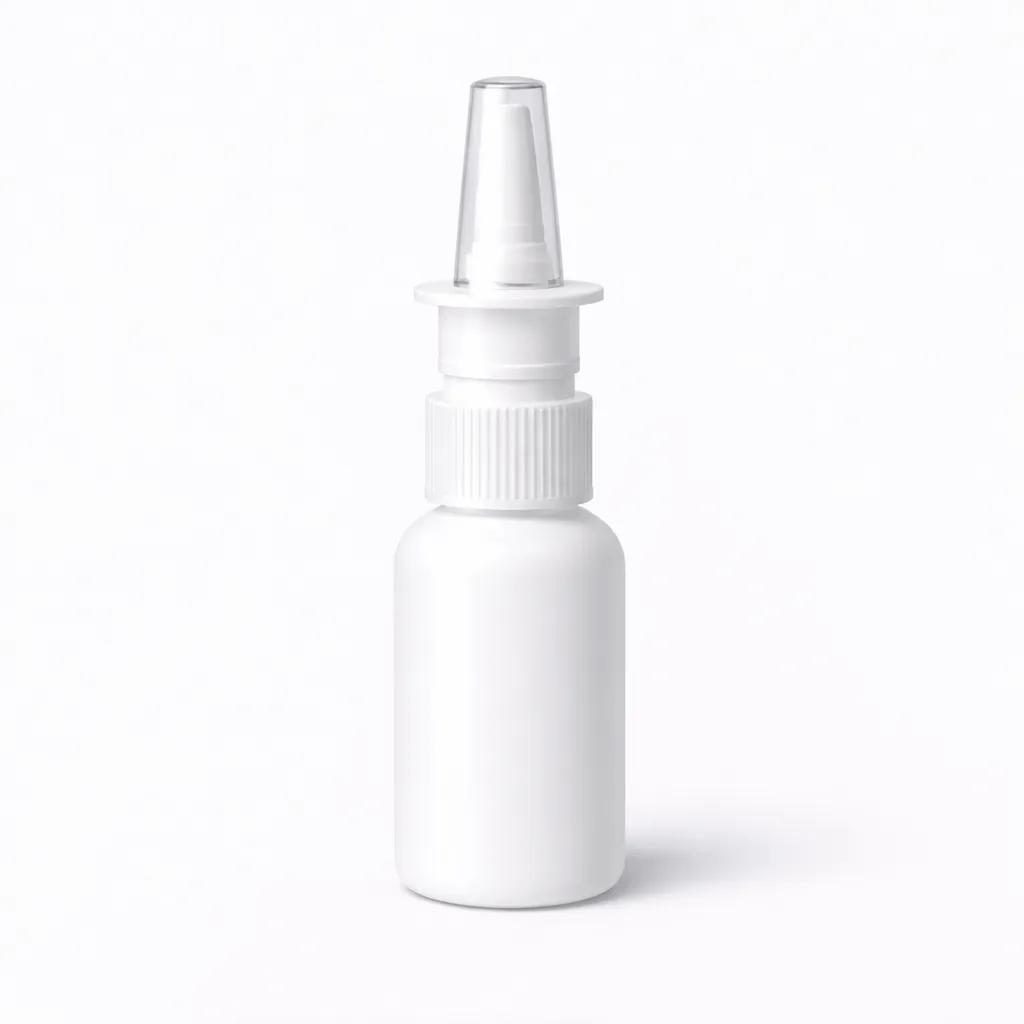
Description
AZEFLO NASAL SPRAY 70MD
Indications
Azeflo Nasal Spray 70MD is primarily indicated for the treatment of allergic rhinitis, which includes both seasonal and perennial forms. It is designed to relieve symptoms such as nasal congestion, sneezing, runny nose, and itchy nose or throat. This medication is suitable for adults and children aged six years and older. The formulation provides a convenient and effective means of managing allergic symptoms, allowing patients to maintain their quality of life during allergy seasons or in environments where allergens are prevalent.
Mechanism of Action
Azeflo Nasal Spray contains the active ingredient azelastine, an antihistamine that works by blocking the action of histamine, a substance in the body that causes allergic symptoms. When allergens enter the nasal passages, histamine is released, leading to inflammation and the characteristic symptoms of allergic rhinitis. By inhibiting histamine receptors, Azeflo reduces the effects of these allergens, alleviating symptoms such as nasal congestion and itching. Additionally, azelastine has anti-inflammatory properties that further contribute to its efficacy in managing nasal symptoms associated with allergies.
Pharmacological Properties
The pharmacological profile of Azeflo Nasal Spray highlights its rapid onset of action and prolonged duration of effect. Upon administration, azelastine is quickly absorbed through the nasal mucosa, providing relief within minutes. The bioavailability of azelastine when administered nasally is approximately 40%. The drug is metabolized primarily in the liver, with a half-life of about 11 hours, allowing for once or twice daily dosing depending on the severity of symptoms. Azeflo’s formulation also includes a preservative system that enhances stability and shelf life, ensuring that the product remains effective throughout its intended use period.
Contraindications
Azeflo Nasal Spray is contraindicated in individuals who have a known hypersensitivity to azelastine or any of the other components of the formulation. Patients with a history of severe allergic reactions or those who have experienced adverse effects from antihistamines should exercise caution. Additionally, the use of this nasal spray is not recommended in patients with nasal polyps or other nasal anatomical abnormalities that may impede effective delivery of the medication.
Side Effects
As with any medication, Azeflo Nasal Spray may cause side effects. Commonly reported adverse effects include drowsiness, headache, nasal irritation, and a bitter taste. Less frequently, patients may experience epistaxis (nosebleeds), dry nasal mucosa, or fatigue. Most side effects are mild to moderate in intensity and resolve with continued use or upon discontinuation of the medication. However, if any severe or persistent adverse effects occur, patients are advised to seek medical attention promptly.
Dosage and Administration
The recommended dosage for Azeflo Nasal Spray is one spray in each nostril twice daily for adults and children aged 12 years and older. For children aged 6 to 11 years, the recommended dosage is one spray in each nostril once daily. It is essential to follow the prescribed dosage and administration instructions to achieve optimal therapeutic outcomes. The spray should be administered while the patient is in an upright position, with the nozzle directed away from the septum. After use, patients should avoid blowing their nose for at least 15 minutes to ensure adequate absorption of the medication.
Interactions
Azeflo Nasal Spray may interact with other medications, particularly central nervous system depressants, such as alcohol or sedatives, which can enhance the sedative effects of azelastine. Patients should inform their healthcare provider of all medications they are currently taking, including over-the-counter drugs and herbal supplements, to avoid potential interactions. Caution is advised when using Azeflo in conjunction with other antihistamines or medications that have anticholinergic properties, as this may increase the risk of adverse effects.
Precautions
Patients using Azeflo Nasal Spray should take certain precautions. It is advisable to avoid driving or operating heavy machinery until they are aware of how the medication affects them, particularly due to the potential for drowsiness. Pregnant or breastfeeding women should consult their healthcare provider before using this medication, as the effects on fetal or infant health are not fully established. Additionally, patients with pre-existing medical conditions, such as liver or kidney impairment, should use Azeflo with caution and under medical supervision.
Clinical Studies
Clinical studies have demonstrated the efficacy and safety of Azeflo Nasal Spray in managing allergic rhinitis symptoms. In randomized controlled trials, patients reported significant improvements in nasal congestion, sneezing, and overall quality of life compared to placebo. The onset of relief was noted within 30 minutes of administration, with sustained effects lasting throughout the day. Adverse effects were generally mild and similar to those observed with other antihistamines. These studies support the use of Azeflo as a first-line treatment option for patients suffering from allergic rhinitis.
Conclusion
Azeflo Nasal Spray 70MD is a valuable therapeutic option for individuals suffering from allergic rhinitis. Its rapid onset of action, effective symptom relief, and favorable safety profile make it a preferred choice for both patients and healthcare providers. By understanding the indications, mechanism of action, potential side effects, and proper administration techniques, patients can use Azeflo effectively to manage their allergy symptoms, enhancing their overall quality of life.
Important
It is essential to use Azeflo Nasal Spray responsibly and according to the prescribed guidelines. Always consult with a healthcare professional before starting any new medication, and report any unusual symptoms or side effects experienced during treatment.
