Description
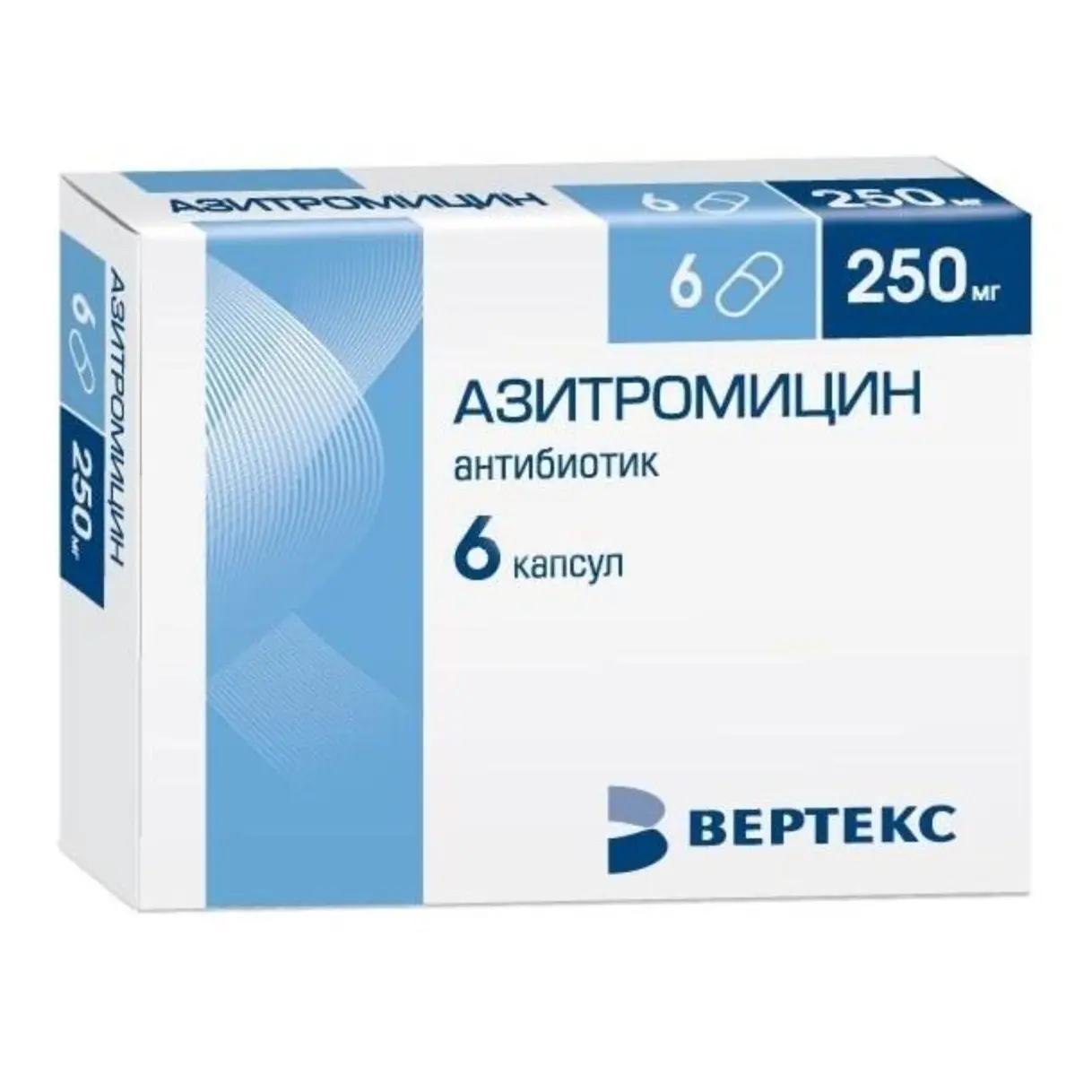
Azithromycin Capsules 250 mg, N6
Azithromycin capsules 250 mg are an oral macrolide antibiotic used for the treatment of susceptible bacterial infections. Azithromycin is well known for its broad clinical use, long tissue half-life, and convenient once-daily dosing in many treatment regimens. This capsule form is intended for oral administration and is commonly used in outpatient therapy when a short and effective antibacterial course is needed.
Azithromycin is active against a range of respiratory, skin, soft tissue, and certain genitourinary infections caused by bacteria that are sensitive to the drug. It should be used only when an infection is proven or strongly suspected to be bacterial. It does not work for viral illnesses such as the common cold or influenza.
Composition and Formulation
- Active substance: Azithromycin
- Strength: 250 mg
- Dosage form: Capsules
- Pack size: 6 capsules
- Route of administration: Oral
- Pharmacological class: Macrolide antibiotic
The capsule formulation provides a practical oral dosage option for short treatment courses. The exact regimen depends on the indication, patient age, weight, and local prescribing instructions.
Mechanism of Action
Azithromycin works by inhibiting bacterial protein synthesis. It binds to the 50S ribosomal subunit of susceptible microorganisms and blocks the translation process needed for growth and replication. As a result, bacterial multiplication is suppressed.
This mechanism makes azithromycin effective against many common pathogens involved in respiratory tract infections and selected other bacterial diseases. The drug is also known for extensive tissue distribution and prolonged persistence in body tissues, which supports its use in short-course therapy.
Azithromycin is generally considered bacteriostatic, although the clinical effect depends on the organism and the site of infection.
Scientific overview: MedlinePlus – Azithromycin
Pharmacological Features
Broad Antibacterial Activity
Azithromycin is used against susceptible Gram-positive and Gram-negative bacteria, as well as several atypical respiratory pathogens.
High Tissue Penetration
The drug accumulates in tissues and immune cells, which is one reason it is effective in infections involving the lungs, throat, sinuses, skin, and some genital tract infections.
Long Half-Life
Azithromycin remains active in the body for an extended period, allowing once-daily dosing and short treatment schedules in many regimens.
Convenient Oral Use
The capsule form is suitable for patients who prefer a solid oral dosage form and is widely used in outpatient antibiotic treatment.
Indications for Use
Azithromycin capsules are used in the treatment of selected bacterial infections, including:
- Acute bacterial sinusitis
- Acute otitis media
- Community-acquired pneumonia
- Pharyngitis and tonsillitis caused by susceptible organisms
- Uncomplicated skin and soft tissue infections
- Certain sexually transmitted infections caused by susceptible bacteria
- Other infections where azithromycin is considered appropriate by a healthcare provider
The medicine is also used in some cases against atypical pathogens such as Chlamydia, Mycoplasma, and Legionella, depending on clinical judgment and local guidelines.
Clinical reference: DailyMed – Azithromycin Tablets 250 mg and 500 mg
Clinical Profile
Azithromycin is widely used because it combines practical dosing with a well-established antibacterial spectrum. In respiratory infections, it is often selected when an oral macrolide is appropriate. Its tissue distribution and long elimination half-life support regimens that are shorter than many traditional antibiotics.
The 250 mg capsule strength is a classic form used in standard treatment schedules. The N6 package size is convenient for short courses, depending on the prescribed regimen.
Azithromycin is not a substitute for clinical evaluation. The choice of antibiotic should be based on the likely pathogen, resistance patterns, severity of illness, and patient-specific factors.
Dosage and Administration
The dose of azithromycin 250 mg capsules depends on the infection being treated. In many regimens, treatment is started with a higher initial dose, followed by lower daily doses for several days. Other infections may require different schedules.
- Route: Oral
- Frequency: Usually once daily in standard regimens
- Duration: Determined by the diagnosis and the prescribing clinician
- Use: Follow the exact prescription label or physician instructions
The full course should be completed even if symptoms improve early. Stopping treatment too soon may allow the infection to return and may contribute to antibiotic resistance.
Safety and Side Effects
Azithromycin is generally well tolerated, but adverse effects can occur.
Common Side Effects
- Nausea
- Diarrhea
- Abdominal pain
- Vomiting
- Headache
Less Common but Important Reactions
- Allergic reactions
- Skin rash
- Liver enzyme changes
- QT prolongation and rhythm disturbances
- Severe antibiotic-associated diarrhea, including C. difficile
Patients who develop palpitations, severe dizziness, fainting, yellowing of the skin or eyes, or severe diarrhea should seek medical attention promptly.
Contraindications and Precautions
Azithromycin should be used with caution in the following situations:
- Known hypersensitivity to azithromycin, erythromycin, clarithromycin, or related macrolides
- History of prolonged QT interval or serious arrhythmia
- Low potassium or magnesium levels
- Significant liver disease
- Kidney impairment in severe cases
- Myasthenia gravis
- Pregnancy and breastfeeding, where medical assessment is needed
Special caution is also required in older adults and in patients receiving other drugs that may affect cardiac rhythm.
Drug Interactions
Azithromycin may interact with other medicines, especially those that influence the heart rhythm or are affected by hepatic transport and metabolism.
Common interaction concerns include:
- QT-prolonging drugs
- Colchicine
- Some antiarrhythmics
- Certain antipsychotics
- Drugs affecting electrolyte balance
Patients should inform their doctor or pharmacist about all prescription medicines, over-the-counter products, vitamins, and herbal supplements they are taking.
Storage Conditions
- Store in a dry place at room temperature
- Protect from excess heat and moisture
- Keep in the original package
- Keep out of reach of children
Do not use the capsules after the expiry date. Unused antibiotics should not be kept for future self-treatment.
Frequently Asked Questions (FAQ)
What is azithromycin capsules 250 mg used for?
It is used to treat selected bacterial infections, including respiratory, skin, and some genitourinary infections.
Is azithromycin an antibiotic?
Yes. It is a macrolide antibiotic.
Can azithromycin treat viral infections?
No. It does not work for colds, flu, or other viral illnesses.
Why is azithromycin often prescribed once daily?
Because it has a long half-life and strong tissue distribution, which supports simple dosing schedules.
What does N6 mean?
It means the package contains 6 capsules.
Should the course be completed?
Yes. The full prescribed course should be taken unless a doctor instructs otherwise.
Conclusion
Azithromycin capsules 250 mg, N6 are a well-established oral macrolide antibiotic used for susceptible bacterial infections. The medicine is valued for its convenient dosing, strong tissue penetration, and short-course treatment options in appropriate clinical settings. It is not intended for viral illness and should be used only according to medical guidance.
For patients and healthcare professionals, azithromycin remains a practical option in respiratory, skin, and selected other bacterial infections, provided that prescribing is based on susceptibility, safety considerations, and local treatment standards.