
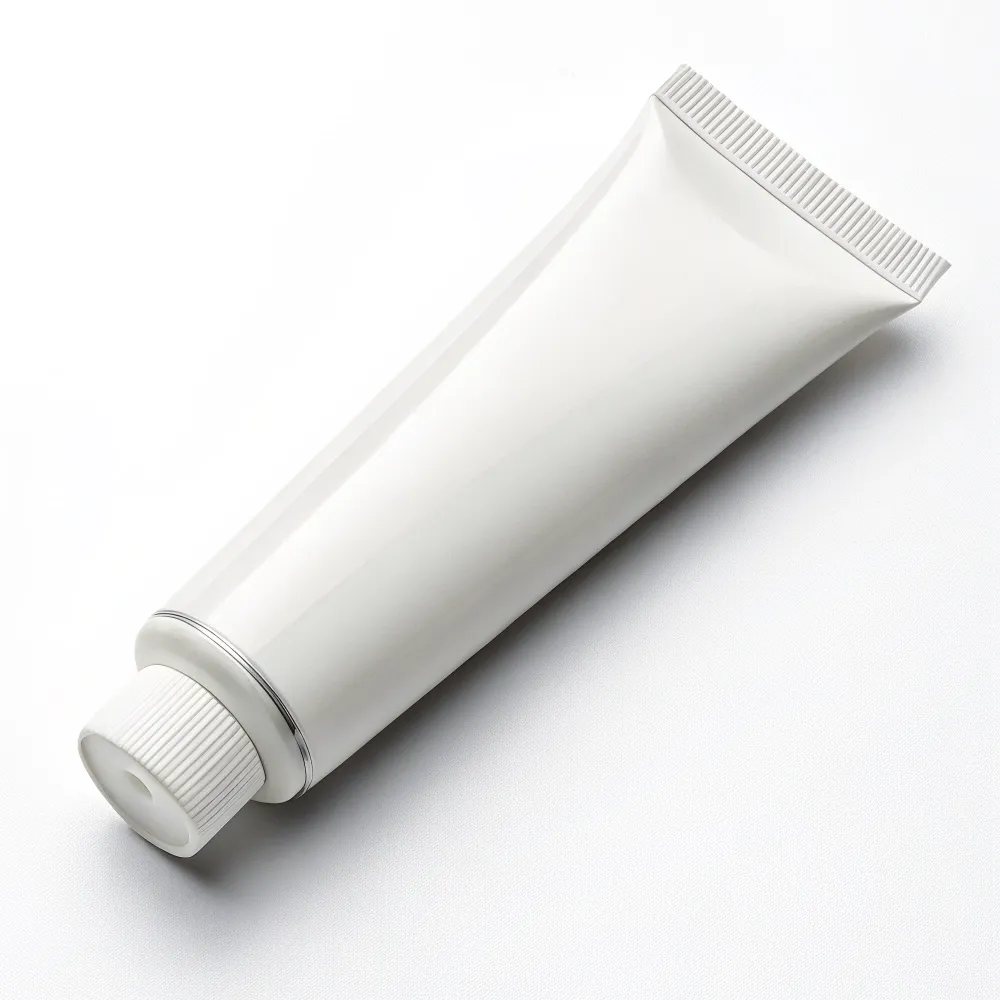
Description
BENOQUIN CREAM 30GM
Indications
Benoquin Cream is primarily indicated for the treatment of vitiligo, a skin condition characterized by the loss of pigmentation in patches. This cream is also used to depigment the skin in cases of hyperpigmentation disorders. It is often prescribed for patients who wish to achieve a uniform skin tone, especially those with significant disparities in skin color due to vitiligo.
Mechanism of Action
The active ingredient in Benoquin Cream is monobenzone, which is a depigmenting agent. Monobenzone works by inhibiting the activity of melanocytes, the cells responsible for producing melanin, the pigment that gives skin its color. By reducing melanin production, Benoquin Cream helps to lighten the skin in areas affected by hyperpigmentation or restore a more uniform skin tone in patients with vitiligo. The exact mechanism by which monobenzone induces depigmentation is not fully understood, but it is believed to involve the irreversible destruction of melanocytes in the treated areas.
Pharmacological Properties
Benoquin Cream is applied topically and is absorbed through the skin. The pharmacokinetics of monobenzone suggest that it does not have systemic effects when used as directed. The cream is formulated to provide a consistent and effective delivery of the active ingredient to the affected areas of the skin. The onset of action varies among individuals, with some patients noticing changes in skin pigmentation within a few weeks of consistent use. However, full results may take several months to achieve.
Contraindications
Benoquin Cream should not be used in individuals with a known hypersensitivity to monobenzone or any of the other components of the cream. It is also contraindicated in patients who have a history of skin cancer or those with conditions that may be exacerbated by depigmentation. Additionally, it is not recommended for use in children under the age of 12, as safety and efficacy have not been established in this population.
Side Effects
Common side effects of Benoquin Cream may include local skin irritation, redness, and a burning sensation at the application site. Some patients may experience dryness or peeling of the skin. In rare cases, allergic reactions may occur, presenting as severe itching, rash, or swelling. If any severe side effects are observed, it is crucial to discontinue use and consult a healthcare professional immediately. Long-term use of Benoquin Cream may lead to increased sensitivity of the treated skin to sunlight, necessitating the use of sun protection measures.
Dosage and Administration
Benoquin Cream is intended for topical use only. The recommended dosage is to apply a thin layer of the cream to the affected areas of the skin twice daily, or as directed by a healthcare provider. It is important to wash hands thoroughly after application to avoid unintentional contact with other areas of the skin or mucous membranes. Patients should be advised to use the cream consistently for optimal results, and to follow their healthcare provider’s recommendations regarding duration of treatment.
Interactions
Currently, there are no well-documented drug interactions associated with the use of Benoquin Cream. However, patients should inform their healthcare provider of all medications, supplements, and topical products they are using to avoid any potential adverse effects. It is particularly important to discuss the use of other topical agents that may cause skin irritation or enhance sensitivity when used in conjunction with Benoquin Cream.
Precautions
Before starting treatment with Benoquin Cream, patients should undergo a thorough evaluation by a healthcare professional to determine the suitability of this therapy for their specific condition. It is essential to avoid contact with the eyes, mouth, and mucous membranes. Patients should also be cautioned about the potential for increased sensitivity to sunlight; therefore, it is advisable to use sunscreen and protective clothing when exposed to sunlight. Pregnant and breastfeeding women should consult their healthcare provider before using this product, as safety during pregnancy and lactation has not been established.
Clinical Studies
Clinical studies evaluating the efficacy and safety of Benoquin Cream have demonstrated its effectiveness in achieving depigmentation in patients with vitiligo. One study published in the Journal of Dermatology indicated that patients who used monobenzone showed significant improvement in skin color uniformity after 6 months of treatment. Another study highlighted the importance of patient adherence to the treatment regimen for optimal results. While the results are promising, it is important to note that individual responses to treatment may vary, and not all patients will achieve the desired outcome.
Conclusion
Benoquin Cream is a topical treatment option for individuals with vitiligo and other hyperpigmentation disorders. With its active ingredient, monobenzone, it works by reducing melanin production, helping to achieve a more uniform skin tone. While it is generally well-tolerated, patients should be aware of potential side effects and the importance of following their healthcare provider’s instructions. Ongoing communication with a healthcare professional is essential to monitor progress and address any concerns that may arise during treatment.
Important
It is crucial to use Benoquin Cream responsibly and under the guidance of a healthcare professional. Always follow the prescribed dosage and report any adverse effects to your doctor. This product is intended for specific skin conditions and should not be used for cosmetic purposes without proper medical advice.


