Description
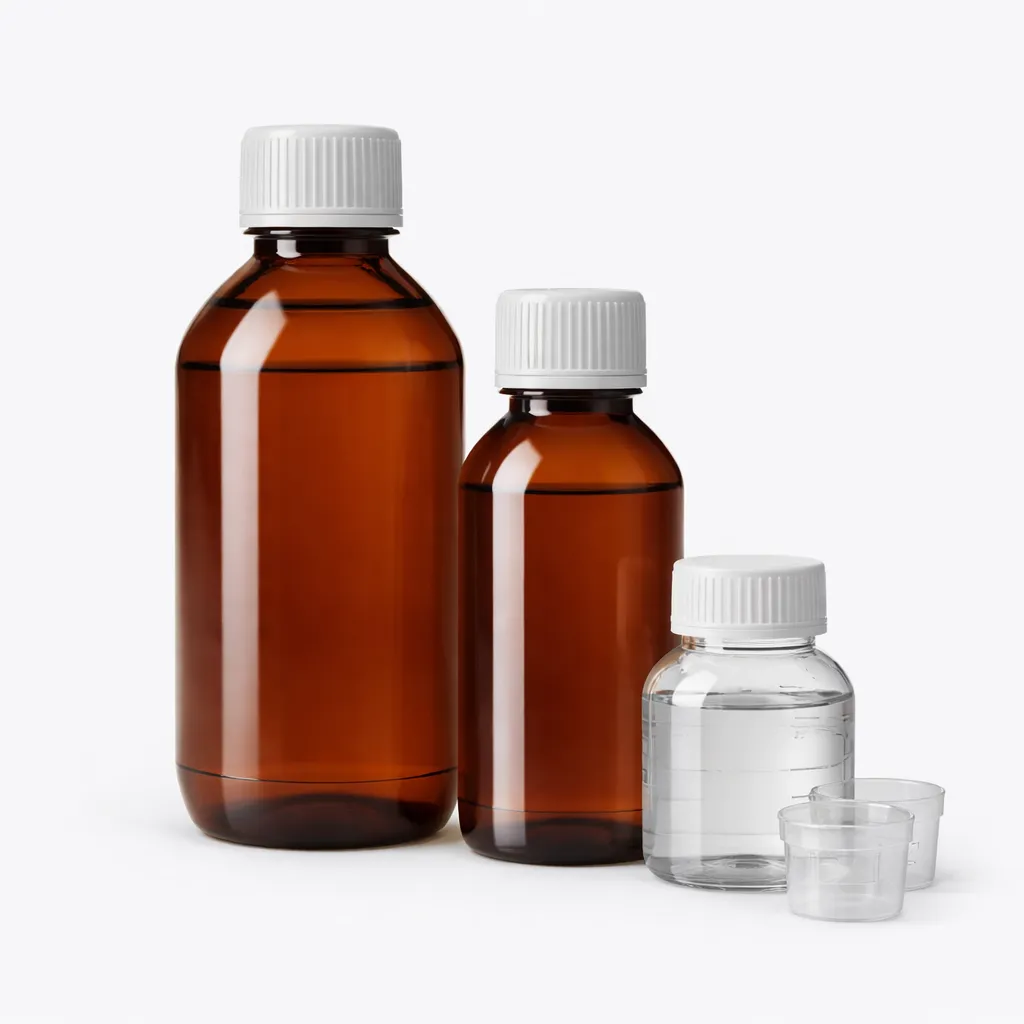
Benzyl Benzoate 100ml
Indications
Benzyl benzoate is primarily indicated for the treatment of scabies and lice infestations. It is effective in eliminating Sarcoptes scabiei, the mite responsible for scabies, and various species of lice, including Pediculus humanus capitis (head lice) and Pthirus pubis (pubic lice). The formulation is suitable for adults and children over the age of two, providing a topical solution for these parasitic infections.
Mechanism of Action
The therapeutic action of benzyl benzoate is attributed to its ability to disrupt the nervous system of parasites. When applied topically, benzyl benzoate is absorbed through the exoskeleton of the mites and lice. It acts as a neurotoxin, leading to paralysis and subsequent death of the parasites. Additionally, benzyl benzoate has mild keratolytic properties, which can aid in the removal of scales and crusts associated with scabies, enhancing the penetration of the active ingredient.
Pharmacological Properties
Benzyl benzoate is a colorless to pale yellow liquid with a characteristic odor. It is lipophilic, allowing it to penetrate the skin effectively. The compound is metabolized in the liver and excreted primarily through the kidneys. Its pharmacokinetics indicate a low systemic absorption when applied topically, which minimizes the risk of systemic toxicity. The half-life of benzyl benzoate in the body is relatively short, necessitating regular application for effective treatment.
Contraindications
Benzyl benzoate should not be used in individuals with a known hypersensitivity to the compound or any of its components. It is contraindicated in patients with open wounds, eczema, or other skin conditions that may compromise the integrity of the skin barrier. Additionally, it is not recommended for use in infants under the age of two years due to the potential for increased absorption and risk of adverse effects.
Side Effects
Common side effects associated with the use of benzyl benzoate include local skin reactions such as irritation, burning, and itching at the application site. In some cases, allergic reactions may occur, presenting as rash, urticaria, or dermatitis. Systemic side effects are rare due to the low absorption of the drug; however, prolonged use or excessive application can lead to systemic toxicity, including headache, dizziness, and gastrointestinal disturbances. Patients should be advised to discontinue use and seek medical attention if severe reactions occur.
Dosage and Administration
The recommended dosage of benzyl benzoate for the treatment of scabies in adults is typically 25% to 50% solution, applied to the entire body from the neck down, including the soles of the feet, and left on for 24 hours before washing off. For children, a lower concentration of 10% to 25% is recommended. The application should be repeated after 7 days to ensure complete eradication of the parasites. It is crucial to follow the specific instructions provided by a healthcare professional or the product label to achieve optimal results.
Interactions
Benzyl benzoate has a low potential for drug interactions due to its topical application and minimal systemic absorption. However, caution should be exercised when used concurrently with other topical agents that may cause skin irritation or enhance absorption, such as corticosteroids or other antiparasitic medications. Patients should inform their healthcare provider of all medications they are currently taking to avoid potential interactions.
Precautions
Before using benzyl benzoate, patients should be advised to perform a patch test on a small area of skin to check for any allergic reactions. It is essential to avoid contact with the eyes, mucous membranes, and broken skin. Patients should also be informed about the importance of washing clothing, bedding, and personal items to prevent reinfestation after treatment. Pregnant and breastfeeding women should consult their healthcare provider before using benzyl benzoate, as safety during pregnancy and lactation has not been fully established.
Clinical Studies
Several clinical studies have evaluated the efficacy and safety of benzyl benzoate in treating scabies and lice infestations. A study published in the Journal of Dermatology demonstrated that benzyl benzoate was effective in eradicating scabies in over 90% of treated patients after a single application, with minimal side effects reported. Another study in the International Journal of Dermatology confirmed the efficacy of benzyl benzoate against resistant strains of lice, highlighting its role as a valuable treatment option in the face of increasing resistance to other pediculicides. These studies underscore the importance of benzyl benzoate as a first-line treatment for parasitic infections.
Conclusion
Benzyl benzoate 100ml is an effective topical treatment for scabies and lice infestations, offering a reliable option for patients seeking relief from these conditions. Its mechanism of action, pharmacological properties, and clinical efficacy make it a valuable addition to the therapeutic arsenal against parasitic infections. However, it is essential for patients to use this medication responsibly, adhering to recommended dosages and precautions to minimize the risk of side effects and ensure successful treatment outcomes.
Important
It is crucial to use benzyl benzoate responsibly and according to the instructions provided by healthcare professionals. Misuse or overuse can lead to adverse effects and reduced effectiveness. Always consult with a healthcare provider for personalized advice and treatment options.