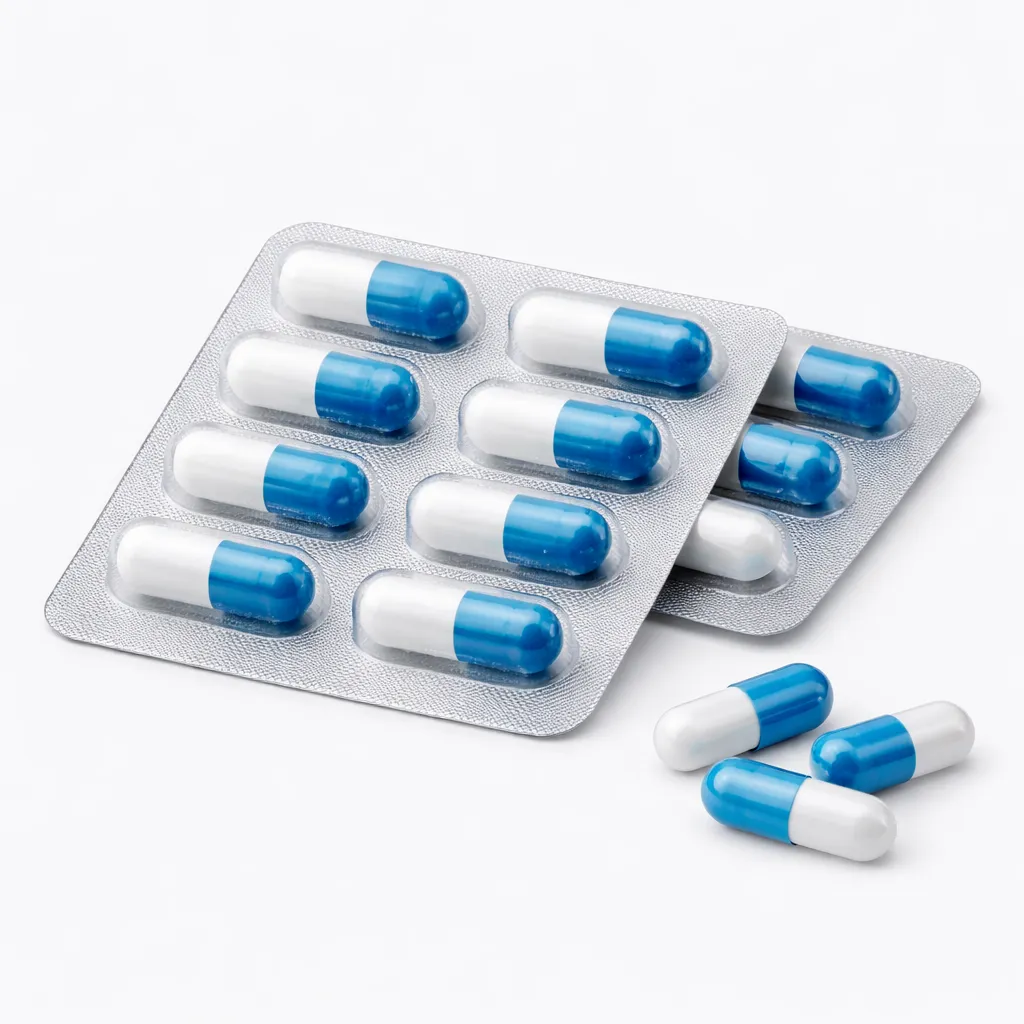
Description
BETACARD 50 MG (1X14)
Indications
BETACARD 50 MG is primarily indicated for the management of hypertension, angina pectoris, and certain types of arrhythmias. It is also used in the prevention of myocardial infarction and in the management of heart failure. The active ingredient, metoprolol, is a selective beta-1 adrenergic antagonist that helps to lower blood pressure and reduce heart rate, making it effective for patients with cardiovascular conditions.
Mechanism of Action
Metoprolol works by selectively blocking beta-1 adrenergic receptors located primarily in the heart. This action leads to a decrease in heart rate, myocardial contractility, and conduction velocity through the atrioventricular node. The overall effect results in reduced cardiac output and lower blood pressure. Additionally, metoprolol reduces the oxygen demand of the heart, which is particularly beneficial in patients with angina pectoris. By mitigating the effects of catecholamines, metoprolol helps stabilize heart rhythms and improve overall cardiac function.
Pharmacological Properties
BETACARD is characterized by its pharmacokinetic properties, including a bioavailability of approximately 50% when taken orally. It has a half-life of about 3 to 7 hours, allowing for once or twice-daily dosing depending on the clinical scenario. The drug is primarily metabolized by the liver through cytochrome P450 enzymes, particularly CYP2D6, and is excreted mainly via the kidneys. Its pharmacodynamics include a rapid onset of action, typically within 1 to 2 hours, with peak effects observed at around 4 to 6 hours post-administration.
Contraindications
BETACARD is contraindicated in patients with known hypersensitivity to metoprolol or any of its components. It should not be used in individuals with severe bradycardia, heart block greater than first degree, cardiogenic shock, or decompensated heart failure. Additionally, caution is advised in patients with asthma or chronic obstructive pulmonary disease (COPD), as non-selective beta-blockers can exacerbate bronchospasm. Pregnant or breastfeeding women should consult their healthcare provider before using this medication.
Side Effects
Common side effects associated with BETACARD include fatigue, dizziness, depression, and gastrointestinal disturbances such as nausea and diarrhea. Patients may also experience bradycardia or hypotension, particularly when initiating therapy or increasing the dose. Less common but serious side effects can include severe allergic reactions, worsening of heart failure, and liver dysfunction. It is essential for patients to report any unusual symptoms to their healthcare provider promptly.
Dosage and Administration
The recommended starting dose of BETACARD for hypertension is typically 50 mg once daily, which may be adjusted based on the patient’s response and clinical condition. For angina, the initial dose may also be 50 mg once daily, with titration possible up to 200 mg per day as needed. In patients with heart failure, a lower starting dose is often recommended, with careful monitoring for efficacy and tolerability. BETACARD can be taken with or without food, but patients should maintain a consistent routine regarding meals to avoid fluctuations in drug absorption.
Interactions
BETACARD may interact with several other medications, which can affect its efficacy and safety. Co-administration with other antihypertensive agents may lead to additive hypotensive effects. Caution is advised when used with calcium channel blockers, particularly those that affect heart rate, as this combination can increase the risk of bradycardia and heart block. Additionally, nonsteroidal anti-inflammatory drugs (NSAIDs) may reduce the antihypertensive effect of metoprolol. Patients should inform their healthcare provider of all medications, including over-the-counter drugs and supplements, prior to starting BETACARD.
Precautions
Before initiating treatment with BETACARD, a thorough medical history should be obtained, particularly focusing on cardiovascular, respiratory, and hepatic conditions. Patients with a history of diabetes should be monitored closely, as beta-blockers can mask the symptoms of hypoglycemia. It is important to avoid abrupt discontinuation of the medication, as this can lead to rebound hypertension or exacerbation of angina. Gradual tapering of the dose is recommended when discontinuing therapy. Regular monitoring of blood pressure and heart rate is essential during treatment.
Clinical Studies
Numerous clinical studies have demonstrated the efficacy of metoprolol in managing hypertension and reducing cardiovascular events. A pivotal study published in the Journal of the American College of Cardiology showed that metoprolol significantly reduced the risk of myocardial infarction in patients with a history of coronary artery disease. Another study highlighted its effectiveness in controlling heart rate in patients with atrial fibrillation. These studies underscore the importance of metoprolol as a cornerstone in the management of various cardiovascular conditions.
Conclusion
BETACARD 50 MG is a valuable medication in the treatment of hypertension, angina, and certain arrhythmias. Its selective action on beta-1 adrenergic receptors provides effective cardiovascular control with a manageable side effect profile. However, careful consideration of contraindications, potential drug interactions, and patient-specific factors is essential for optimal therapeutic outcomes. Patients should engage in open communication with their healthcare providers to ensure safe and effective use of BETACARD.
Important
It is crucial to use BETACARD responsibly and under the guidance of a qualified healthcare professional. Patients should adhere to prescribed dosages and report any side effects or concerns to their healthcare provider promptly.