Description
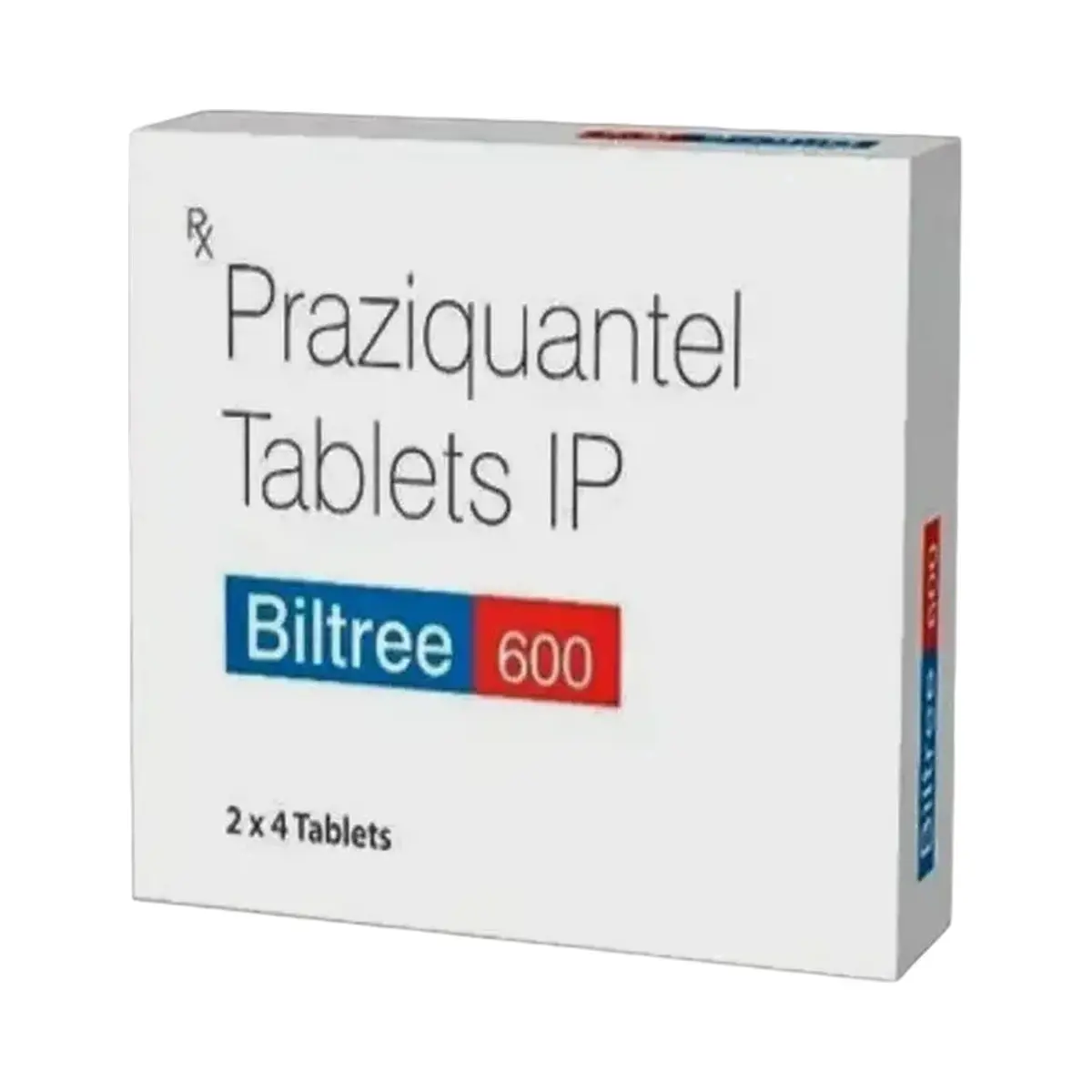
Biltree (Praziquantel) 600 mg
Biltree contains the antiparasitic medicine praziquantel. It is an oral anthelmintic used against selected infections caused by flatworm parasites, especially schistosomiasis and some liver fluke and tapeworm infections. The exact approved uses depend on the country and product label.
Active Ingredient and Medicine Class
Active ingredient: praziquantel.
Medicine class: anthelmintic; specifically, a prazinoisoquinoline derivative with activity against trematodes and cestodes.
Established Medical Uses
Praziquantel is established for treatment of schistosomiasis caused by Schistosoma species. Regulatory labeling also supports use against certain other parasitic flatworm infections, including clonorchiasis and opisthorchiasis. Published reviews describe broader use against some tapeworm and fluke infections, including cysticercosis, but product-specific indications vary by jurisdiction and should be confirmed on the official label.
How It Works
Praziquantel damages susceptible parasites by disrupting calcium handling in the worm, which leads to muscle contraction, paralysis, and structural injury to the parasite’s outer surface. This makes the worms easier for the host immune system to clear. The mechanism is best studied in schistosomes, and the precise details are still being refined.
Important Safety Information
Praziquantel should not be used with known hypersensitivity to the medicine or its ingredients. Concomitant use with strong CYP3A inducers, such as rifampin, is contraindicated because effective praziquantel levels may not be achieved. Other CYP3A inducers may reduce exposure and lessen effect.
Important precautions include possible clinical deterioration during treatment of acute schistosomiasis, central nervous system effects in patients with parasite-related CNS disease, and cardiac arrhythmias in susceptible patients. Hepatic impairment can increase praziquantel exposure. Clinically important interactions are mainly related to CYP3A metabolism.
Possible Side Effects
Commonly reported adverse effects include headache, dizziness, abdominal discomfort, nausea, malaise, fever, and urticaria. Less common but more serious reactions reported in labeling and literature include arrhythmias, seizures, severe skin reactions, and respiratory symptoms. Adverse reactions may be more frequent or more pronounced in patients with heavy worm burden.
Scientific Evidence
Clinical reviews and meta-analyses show praziquantel has high efficacy and generally good tolerability for schistosomiasis, with additional evidence supporting use in clonorchiasis and opisthorchiasis. Human studies also describe typical short-lived adverse effects and confirm that activity is strongest against mature parasites.
Medical Information Notice
This page is an educational summary based on sources available at the time of review. It does not replace the official patient leaflet or assessment by a qualified healthcare professional.
Medical Sources
- FDA – BILTRICIDE (praziquantel) tablets, for oral use
- DailyMed – PRAZIQUANTEL tablets, for oral use: prescribing information
- Thomas CM, Timson DJ, et al. “The Mechanism of Action of Praziquantel: Can New Drugs Exploit Similar Mechanisms?” Current Medicinal Chemistry (2020). PubMed