Description
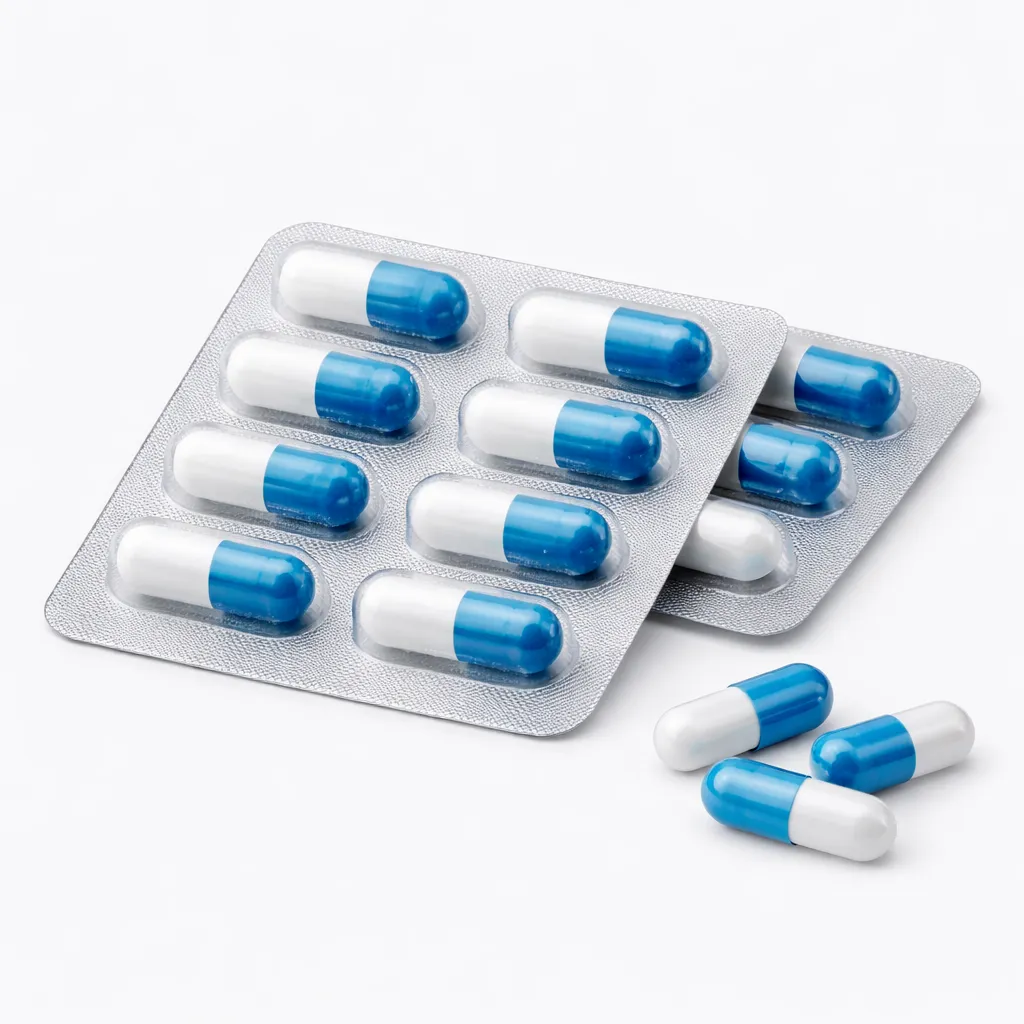
BISOACE 5 MG
Indications
BISOACE 5 MG is primarily indicated for the management of hypertension (high blood pressure) and for the treatment of heart failure. It is also utilized in the prevention of angina pectoris and to reduce the risk of cardiovascular events in patients with a history of myocardial infarction. The medication is often prescribed as part of a comprehensive treatment plan that may include lifestyle changes and other medications.
Mechanism of Action
BISOACE contains bisoprolol, a selective beta-1 adrenergic receptor blocker. By selectively blocking these receptors primarily located in the heart, bisoprolol reduces heart rate, myocardial contractility, and conduction velocity through the atrioventricular node. This results in decreased cardiac output and lower blood pressure. Additionally, bisoprolol has a stabilizing effect on the cardiac membranes and can reduce the frequency of arrhythmias. The overall effect is a reduction in the workload of the heart, making it beneficial for patients with hypertension and heart failure.
Pharmacological Properties
BISOACE exhibits a high degree of selectivity for beta-1 receptors over beta-2 receptors, which makes it less likely to cause bronchoconstriction compared to non-selective beta-blockers. The pharmacokinetics of bisoprolol demonstrate good oral bioavailability, with peak plasma concentrations occurring approximately 3 to 4 hours after administration. The drug has a half-life of about 10 to 12 hours, allowing for once-daily dosing. Bisoprolol is primarily metabolized in the liver, and its elimination occurs through both renal and hepatic pathways.
Contraindications
BISOACE 5 MG is contraindicated in patients with a known hypersensitivity to bisoprolol or any of its components. It should not be used in individuals with severe bradycardia, heart block greater than first degree, cardiogenic shock, or decompensated heart failure. Additionally, patients with severe asthma or chronic obstructive pulmonary disease (COPD) should avoid this medication due to the risk of bronchospasm. Caution is advised in patients with diabetes, as beta-blockers may mask the symptoms of hypoglycemia.
Side Effects
The use of BISOACE may be associated with several side effects, although not all patients will experience them. Common side effects include fatigue, dizziness, headache, and gastrointestinal disturbances such as nausea or diarrhea. More serious side effects can include bradycardia, hypotension, and worsening of heart failure. In rare cases, patients may experience allergic reactions, including rash, itching, or swelling. It is essential for patients to report any unusual symptoms to their healthcare provider promptly.
Dosage and Administration
The recommended starting dose of BISOACE for adults is typically 5 MG once daily. Depending on the patient’s response and tolerability, the dose may be adjusted, with a maximum recommended dose of 10 MG per day. It is advisable to take the medication at the same time each day, with or without food, to maintain consistent blood levels. For patients with renal impairment, dose adjustments may be necessary, and it is crucial to follow the healthcare provider’s instructions regarding dosage modifications.
Interactions
BISOACE may interact with other medications, potentially altering its effectiveness or increasing the risk of adverse effects. Concomitant use of other antihypertensive agents can lead to additive hypotensive effects. Additionally, non-steroidal anti-inflammatory drugs (NSAIDs) may reduce the antihypertensive efficacy of bisoprolol. Caution should be exercised when BISOACE is used with medications that affect heart rate or conduction, such as calcium channel blockers or antiarrhythmic agents. It is important for patients to inform their healthcare providers about all medications they are taking, including over-the-counter drugs and supplements.
Precautions
Before initiating treatment with BISOACE, healthcare providers should conduct a thorough assessment of the patient’s medical history and current health status. Special precautions should be taken in patients with a history of asthma, diabetes, or peripheral vascular disease. Regular monitoring of blood pressure and heart rate is essential during therapy, particularly in the initial treatment phase or when adjusting doses. Patients should be advised to avoid abrupt discontinuation of the medication, as this may lead to rebound hypertension or exacerbation of angina.
Clinical Studies
Clinical studies have demonstrated the efficacy of bisoprolol in reducing blood pressure and improving outcomes in patients with heart failure. A pivotal study published in the New England Journal of Medicine indicated that bisoprolol significantly reduced the risk of cardiovascular mortality and hospitalization in patients with chronic heart failure. Another study highlighted its effectiveness in controlling hypertension, showing that bisoprolol provided significant reductions in systolic and diastolic blood pressure compared to placebo. These findings support the use of BISOACE as a first-line treatment option in both hypertension and heart failure management.
Conclusion
BISOACE 5 MG is an effective beta-blocker that plays a crucial role in the management of hypertension and heart failure. Its selective action on beta-1 adrenergic receptors contributes to its therapeutic efficacy while minimizing potential side effects. As with any medication, it is essential for patients to use BISOACE under the guidance of a healthcare provider to ensure safe and effective treatment. Regular follow-up and monitoring are vital to achieving optimal therapeutic outcomes.
Important
It is important to use BISOACE 5 MG responsibly and under the supervision of a qualified healthcare professional. Patients should adhere to prescribed dosages and report any side effects or concerns to their healthcare provider promptly.