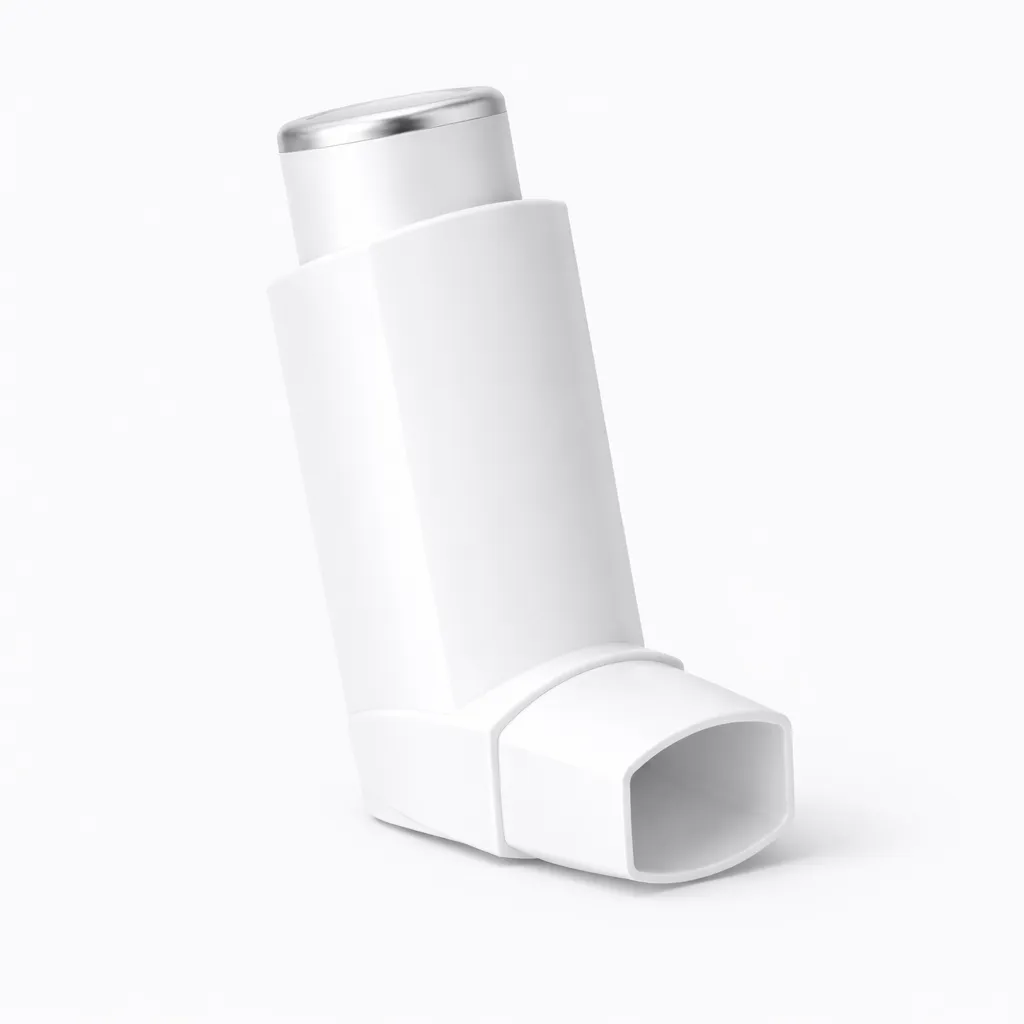
Description
BONAIR AEROSOL INHALER
Indications
The BONAIR Aerosol Inhaler is primarily indicated for the management of asthma and chronic obstructive pulmonary disease (COPD). It is designed to provide relief from bronchospasm and improve airflow in patients experiencing respiratory distress. The inhaler is suitable for both adults and children who have been diagnosed with these conditions and require maintenance therapy or rescue treatment during acute episodes of wheezing or shortness of breath.
Mechanism of Action
The BONAIR Aerosol Inhaler operates through the delivery of a bronchodilator agent that relaxes the smooth muscles of the airways. This action results in the dilation of bronchial passages, leading to improved airflow and reduced resistance in the respiratory tract. The inhaler may contain a combination of short-acting beta-agonists (SABAs) and corticosteroids, which work synergistically to alleviate inflammation and prevent airway constriction. The rapid onset of action allows for quick relief from acute symptoms, making it an essential tool for asthma and COPD management.
Pharmacological Properties
The active ingredients in the BONAIR Aerosol Inhaler are pharmacologically classified as bronchodilators and anti-inflammatory agents. These compounds are absorbed into the systemic circulation following inhalation, providing localized effects within the lungs while minimizing systemic exposure. The inhaler is designed to deliver a precise dose of medication with each actuation, ensuring consistent therapeutic effects. The pharmacokinetics of the active ingredients may vary, but they generally exhibit a rapid onset of action, with peak effects occurring within minutes of administration.
Contraindications
The use of the BONAIR Aerosol Inhaler is contraindicated in patients with a known hypersensitivity to any of its components. Additionally, it should not be used in individuals who have a history of severe allergic reactions, including anaphylaxis, to similar medications. Caution is advised in patients with pre-existing cardiovascular conditions, hyperthyroidism, or diabetes mellitus, as the bronchodilator effects may exacerbate these conditions. It is essential for patients to consult their healthcare provider before initiating therapy with this inhaler.
Side Effects
Common side effects associated with the use of the BONAIR Aerosol Inhaler include tremors, palpitations, headache, and throat irritation. Some patients may also experience increased heart rate or elevated blood pressure. Less common but more serious side effects may include paradoxical bronchospasm, which can lead to worsening respiratory symptoms. Patients should be advised to seek immediate medical attention if they experience chest pain, severe dizziness, or difficulty breathing after using the inhaler. Regular monitoring and communication with healthcare providers are crucial to managing any adverse effects.
Dosage and Administration
The recommended dosage of the BONAIR Aerosol Inhaler varies based on the severity of the condition and the patient’s age. For adults, the typical starting dose is 2 inhalations, administered as needed for acute symptoms, with a maximum of 12 inhalations per day. For children, the dosage should be determined by a healthcare provider based on individual needs. Patients are advised to shake the inhaler well before use and to exhale fully before inhaling the medication. Proper inhalation technique is essential to ensure optimal drug delivery to the lungs.
Interactions
The BONAIR Aerosol Inhaler may interact with other medications, potentially altering their effects. Patients should inform their healthcare provider of all medications they are currently taking, including over-the-counter drugs and herbal supplements. Notable interactions may occur with other bronchodilators, beta-blockers, and certain antidepressants, which can enhance or diminish the therapeutic effects of the inhaler. Additionally, the use of monoamine oxidase inhibitors (MAOIs) may increase the risk of cardiovascular side effects. Careful monitoring and dosage adjustments may be necessary when these medications are used concurrently.
Precautions
Before using the BONAIR Aerosol Inhaler, patients should be thoroughly evaluated for any pre-existing medical conditions that may affect treatment outcomes. Special precautions should be taken in individuals with a history of cardiovascular disease, seizures, or hyperthyroidism. It is also important for patients to avoid exposure to known allergens or irritants that may exacerbate their condition. Pregnant or breastfeeding women should consult their healthcare provider before using the inhaler, as the safety of the medication during pregnancy and lactation has not been fully established. Regular follow-up appointments are recommended to assess the effectiveness of the treatment and make necessary adjustments.
Clinical Studies
Clinical studies have demonstrated the efficacy of the BONAIR Aerosol Inhaler in improving lung function and reducing the frequency of asthma exacerbations. In a randomized controlled trial, patients using the inhaler experienced significant improvements in forced expiratory volume (FEV1) compared to those receiving a placebo. Additionally, studies have shown that the combination of bronchodilators and corticosteroids in the inhaler leads to enhanced control of asthma symptoms and a reduction in the need for rescue inhalers. Long-term studies have also indicated that regular use of the BONAIR Aerosol Inhaler can lead to improved quality of life and decreased hospitalizations due to respiratory complications.
Conclusion
The BONAIR Aerosol Inhaler represents a valuable therapeutic option for individuals suffering from asthma and COPD. Its bronchodilator and anti-inflammatory properties provide effective relief from respiratory symptoms, allowing patients to maintain a better quality of life. However, it is essential for patients to use the inhaler responsibly and under the guidance of a healthcare provider to minimize the risk of side effects and ensure optimal treatment outcomes. Regular monitoring and communication with healthcare professionals are key components of successful asthma and COPD management.
Important
Responsible use of the BONAIR Aerosol Inhaler is crucial for effective management of asthma and COPD. Patients should adhere to prescribed dosages, be aware of potential side effects, and maintain regular communication with their healthcare providers to ensure optimal treatment outcomes.