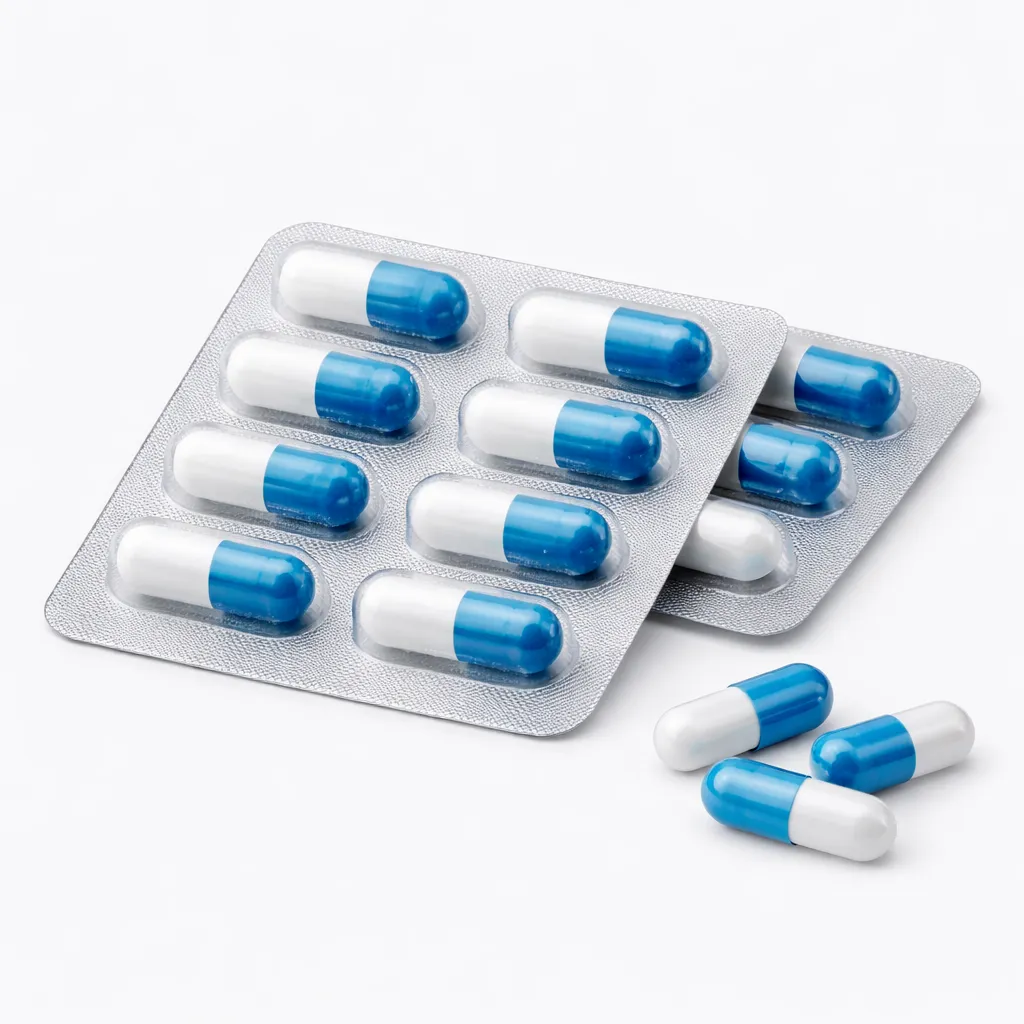
Description
BOSENTAS 125 MG
Indications
Bosentan 125 mg is primarily indicated for the treatment of pulmonary arterial hypertension (PAH) in patients with World Health Organization (WHO) functional class II to IV. This medication is used to improve exercise ability and decrease the rate of clinical worsening in patients with this condition. Bosentan is also indicated for the treatment of PAH associated with connective tissue diseases, such as scleroderma and lupus, where it has shown to provide symptomatic relief and improve quality of life.
Mechanism of Action
Bosentan is an endothelin receptor antagonist that selectively blocks the action of endothelin-1, a potent vasoconstrictor peptide that plays a significant role in the pathophysiology of PAH. By inhibiting the binding of endothelin-1 to its receptors (ETA and ETB), bosentan leads to vasodilation of pulmonary and systemic arterial vascular beds. This action results in a reduction in pulmonary artery pressure and an improvement in cardiac output, ultimately alleviating the symptoms associated with PAH.
Pharmacological Properties
Bosentan is a dual endothelin receptor antagonist that exhibits a high affinity for both ETA and ETB receptors. After oral administration, bosentan is rapidly absorbed, with peak plasma concentrations occurring within 3 to 5 hours. The bioavailability of bosentan is approximately 50%, and it undergoes extensive hepatic metabolism, primarily through cytochrome P450 enzymes CYP2C9 and CYP3A4. The elimination half-life of bosentan is approximately 5 hours, and it is primarily excreted in the urine as metabolites. Due to its hepatic metabolism, dose adjustments may be necessary in patients with liver impairment.
Contraindications
Bosentan is contraindicated in patients with a known hypersensitivity to the drug or any of its components. It should not be used in patients with severe hepatic impairment (Child-Pugh class C) due to the risk of increased drug exposure and potential toxicity. Additionally, bosentan is contraindicated in pregnant women, as it may cause fetal harm. Effective contraception should be used during treatment to prevent pregnancy.
Side Effects
Common side effects of bosentan include headache, flushing, and peripheral edema. Other potential adverse effects may include liver enzyme elevations, anemia, and nasal congestion. Serious side effects can occur, such as hepatotoxicity, which necessitates regular monitoring of liver function tests during treatment. Patients should be informed of the signs of liver dysfunction, including jaundice, dark urine, and abdominal pain, and should seek medical attention if these occur.
Dosage and Administration
The recommended starting dose of bosentan is 62.5 mg twice daily for the first four weeks. After this initial period, the dose can be increased to 125 mg twice daily based on the patient’s tolerance and clinical response. It is important to take bosentan consistently, either with or without food, to maintain stable drug levels in the body. Regular follow-up appointments are essential to monitor the patient’s response to therapy and to adjust the dosage as necessary.
Interactions
Bosentan is known to interact with several medications due to its effects on hepatic enzymes. Co-administration with strong CYP2C9 or CYP3A4 inhibitors, such as ketoconazole or erythromycin, may increase bosentan levels and the risk of toxicity. Conversely, bosentan can reduce the effectiveness of hormonal contraceptives, necessitating the use of alternative non-hormonal methods of contraception. Patients should inform their healthcare provider of all medications they are taking to avoid potential drug interactions.
Precautions
Before initiating treatment with bosentan, a thorough evaluation of liver function is essential, as baseline liver enzyme levels should be obtained. Regular monitoring of liver function tests is recommended during therapy, particularly during the first few months of treatment. Caution is advised in patients with a history of liver disease, as they may be at an increased risk of hepatotoxicity. Additionally, bosentan should be used with caution in patients with anemia or those who may be at risk for fluid retention.
Clinical Studies
Clinical studies have demonstrated the efficacy of bosentan in improving exercise capacity and functional status in patients with PAH. In a pivotal study, patients treated with bosentan showed significant improvements in the six-minute walk test compared to those receiving placebo. Other studies have indicated that bosentan can delay clinical worsening and reduce the need for hospitalization in patients with PAH. Long-term studies have also suggested that bosentan may improve survival in patients with severe PAH, although further research is needed to fully understand its long-term benefits.
Conclusion
Bosentan 125 mg is an effective treatment option for patients with pulmonary arterial hypertension, providing symptomatic relief and improving exercise capacity. Its mechanism of action as an endothelin receptor antagonist plays a crucial role in managing this condition. However, careful monitoring of liver function and awareness of potential drug interactions are essential to ensure patient safety. As with any medication, it is important for patients to discuss their treatment options with their healthcare provider to determine the best approach for their individual needs.
Important
Responsible use of bosentan is crucial for maximizing its benefits while minimizing risks. Patients should adhere to prescribed dosages and attend regular follow-up appointments to monitor their health status. Always consult with a healthcare professional before making any changes to medication regimens.