Description
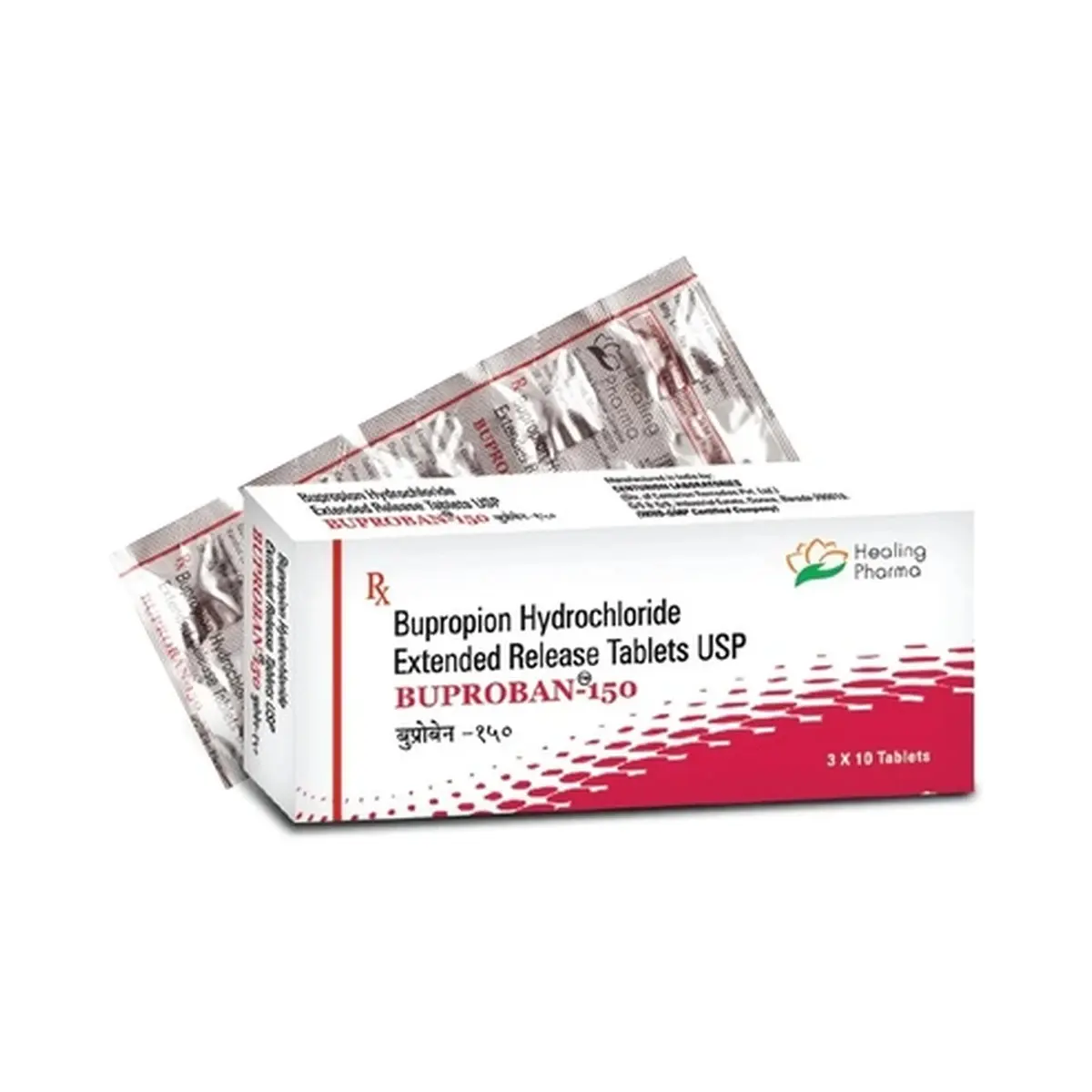
Buproban SR (Bupropion HCl) 150 mg
Buproban SR appears to be a sustained-release form of bupropion hydrochloride, an antidepressant medicine in the aminoketone class. Because trade names can vary by market, this description is based on the verified active ingredient and sustained-release formulation rather than the brand name alone.
Active Ingredient and Medicine Class
The active ingredient is bupropion hydrochloride. It is an antidepressant and is commonly described as a norepinephrine-dopamine reuptake inhibitor, although its exact mechanism is not fully established. Sustained-release products are designed to release the medicine gradually over time.
Established Medical Uses
Bupropion sustained-release tablets are established in the treatment of major depressive disorder. In some markets, bupropion in a sustained-release form is also used as an aid to smoking cessation, under specific branded products and local regulatory approvals. The exact approved use depends on the country and the specific product licence.
How It Works
Bupropion is believed to improve depressive symptoms by influencing brain pathways involved in mood, motivation and reward, especially those linked to noradrenaline and dopamine. Unlike many antidepressants, it does not primarily act by increasing serotonin. This difference helps explain why its side-effect profile is not the same as that of selective serotonin reuptake inhibitors.
Important Safety Information
Bupropion must be used cautiously because it can lower the seizure threshold. It is contraindicated in people with a seizure disorder and in several other situations where seizure risk is increased. Important contraindications and precautions commonly include current or past bulimia or anorexia nervosa, abrupt discontinuation of alcohol, benzodiazepines or antiepileptic medicines, and use with other medicines containing bupropion.
Clinically significant interactions may occur with medicines that also increase seizure risk or affect the central nervous system. Bupropion is known to interact with a range of antidepressants, antipsychotics, systemic corticosteroids and other agents that may contribute to seizures. It is also an inhibitor of CYP2D6, so it can alter exposure to some medicines metabolised through that pathway.
Blood pressure increases have been reported, and the risk may be greater when bupropion is used together with nicotine replacement therapy. As with other antidepressants, monitoring for worsening mood, agitation or unusual behaviour is important, especially early in treatment or when the dose is changed.
Possible Side Effects
Common adverse effects may include insomnia, dry mouth, headache, nausea, tremor, sweating, agitation and dizziness. Some people also report constipation or reduced appetite.
More serious reactions can include seizures, marked increases in blood pressure, allergic reactions, mood changes, suicidal thoughts, hallucinations or other neuropsychiatric symptoms. Any severe rash, swelling, breathing difficulty or sudden change in mental state requires urgent medical attention.
Scientific Evidence
Clinical studies and reviews support bupropion as an effective antidepressant for major depressive disorder, including sustained-release formulations. Review evidence also supports its role in smoking cessation, where it can improve quit rates compared with placebo, though the benefit depends on careful patient selection and support measures. Research has also shown that bupropion may cause less sexual dysfunction and somnolence than some other antidepressants, while still carrying the important seizure-related safety considerations typical of this medicine.
Medical Information Notice
This page is an educational summary based on sources available at the time of review. It does not replace the official patient leaflet, local prescribing information or an individual assessment by a qualified healthcare professional.
Medical Sources
- Medicines and Healthcare products Regulatory Agency / electronic Medicines Compendium (emc). Zyban 150 mg prolonged release tablets: Summary of Product Characteristics
- DailyMed / U.S. National Library of Medicine. Bupropion Hydrochloride Extended-Release (SR) Tablets: Highlights of Prescribing Information
- Dhillon S, Yang LPH, Curran MP. Bupropion: a review of its use in the management of major depressive disorder. Drugs, 2008. View scientific article
- Stead LF, Perera R, Bullen C, Mant D, Hartmann-Boyce J, Cahill K, et al. Nicotine replacement therapy for smoking cessation. Cochrane Database of Systematic Reviews, 2012. View scientific article