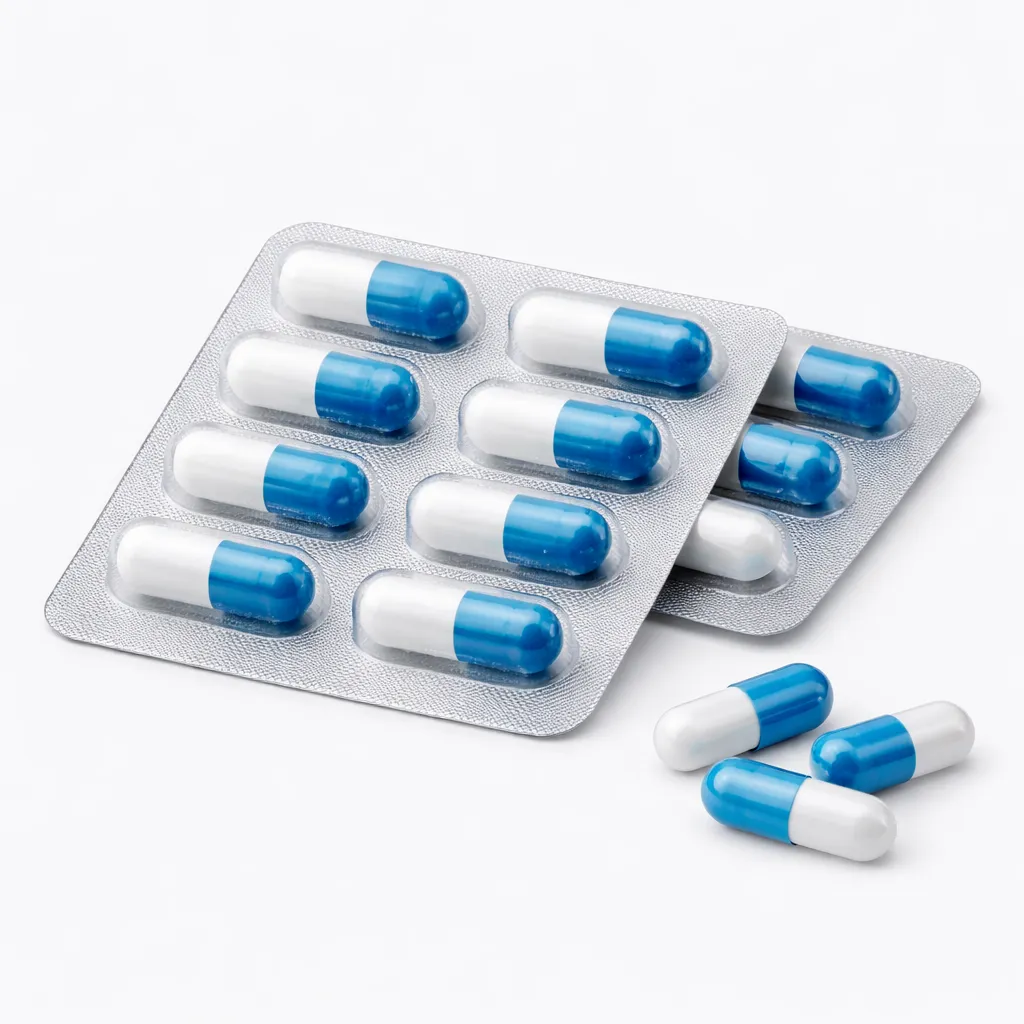
Description
CABERLIN 0.5 MG
Indications
CABERLIN 0.5 MG, containing the active ingredient cabergoline, is primarily indicated for the treatment of hyperprolactinemia, a condition characterized by elevated levels of prolactin in the blood. This condition can lead to various symptoms such as galactorrhea (unwanted breast milk production), amenorrhea (absence of menstruation), and infertility in women, as well as sexual dysfunction in men. CABERLIN is also used in the management of certain types of pituitary tumors that secrete prolactin, known as prolactinomas.
Mechanism of Action
The pharmacological action of CABERLIN is primarily attributed to its role as a dopamine agonist. Cabergoline selectively stimulates dopamine D2 receptors in the pituitary gland, leading to a decrease in prolactin secretion. By mimicking the action of dopamine, CABERLIN effectively reduces the levels of prolactin in the bloodstream, thereby alleviating the symptoms associated with hyperprolactinemia. This mechanism also contributes to the reduction in the size of prolactin-secreting tumors.
Pharmacological Properties
CABERLIN exhibits a long half-life, allowing for once or twice weekly dosing, which enhances patient compliance. It is well absorbed from the gastrointestinal tract, with peak plasma concentrations occurring approximately 1-2 hours after oral administration. The drug is metabolized in the liver, with metabolites excreted primarily through the feces and to a lesser extent in urine. CABERLIN’s pharmacokinetic profile supports its efficacy in lowering prolactin levels while minimizing the frequency of administration.
Contraindications
CABERLIN is contraindicated in patients with a known hypersensitivity to cabergoline or any of its components. It should not be used in individuals with severe cardiovascular disorders, particularly those with a history of heart valve disease or pulmonary hypertension. Additionally, the use of CABERLIN is not recommended in patients with uncontrolled hypertension or those who are pregnant or breastfeeding, unless the potential benefits outweigh the risks.
Side Effects
Like all medications, CABERLIN may cause side effects. Common side effects include nausea, vomiting, dizziness, and headache. Some patients may experience orthostatic hypotension, which is a drop in blood pressure upon standing, leading to lightheadedness or fainting. Rare but serious side effects include cardiac valvulopathy, which is associated with prolonged use of dopamine agonists. Patients should be monitored for signs of heart valve issues, particularly if they have pre-existing cardiovascular conditions.
Dosage and Administration
The typical starting dose of CABERLIN for the treatment of hyperprolactinemia is 0.5 mg twice a week. Depending on the patient’s response and tolerance, the dosage may be gradually increased. The maximum recommended dose is 1 mg twice a week. It is advisable to take CABERLIN with food to minimize gastrointestinal side effects. Patients should adhere to the prescribed regimen and consult their healthcare provider before making any changes to their dosage.
Interactions
CABERLIN may interact with other medications, which can either enhance or diminish its effects. Concomitant use of other dopamine agonists or antagonists may lead to additive effects. Medications that lower blood pressure, such as antihypertensives, may increase the risk of hypotension when taken with CABERLIN. Additionally, certain antifungal agents and antibiotics may alter the metabolism of cabergoline, necessitating careful monitoring and potential dose adjustments. It is crucial for patients to inform their healthcare provider of all medications, supplements, and herbal products they are taking.
Precautions
Before initiating treatment with CABERLIN, a thorough medical history should be obtained, and a physical examination should be conducted. Patients with a history of psychiatric disorders should be monitored closely, as dopamine agonists can exacerbate certain conditions. Regular follow-up appointments are essential to assess the efficacy of treatment and monitor for potential side effects, particularly cardiovascular complications. Women who are pregnant or planning to become pregnant should discuss the risks and benefits of CABERLIN with their healthcare provider.
Clinical Studies
Clinical studies have demonstrated the efficacy of CABERLIN in reducing prolactin levels and alleviating symptoms associated with hyperprolactinemia. In a randomized controlled trial, patients treated with CABERLIN showed a significant reduction in serum prolactin levels compared to those receiving placebo. Furthermore, the majority of patients experienced resolution of symptoms such as galactorrhea and restoration of menstrual cycles. Long-term studies have indicated that CABERLIN is effective in maintaining low prolactin levels and controlling tumor size in patients with prolactinomas.
Conclusion
CABERLIN 0.5 MG is a valuable therapeutic option for the management of hyperprolactinemia and prolactin-secreting tumors. Its mechanism of action as a dopamine agonist effectively lowers prolactin levels, alleviating associated symptoms. While generally well-tolerated, it is essential for patients to be aware of potential side effects and interactions with other medications. Regular monitoring and communication with healthcare providers are crucial to ensure safe and effective treatment.
Important
It is essential to use CABERLIN responsibly and under the guidance of a qualified healthcare professional. Patients should follow their prescribed treatment plan and report any unusual symptoms or side effects to their doctor promptly.