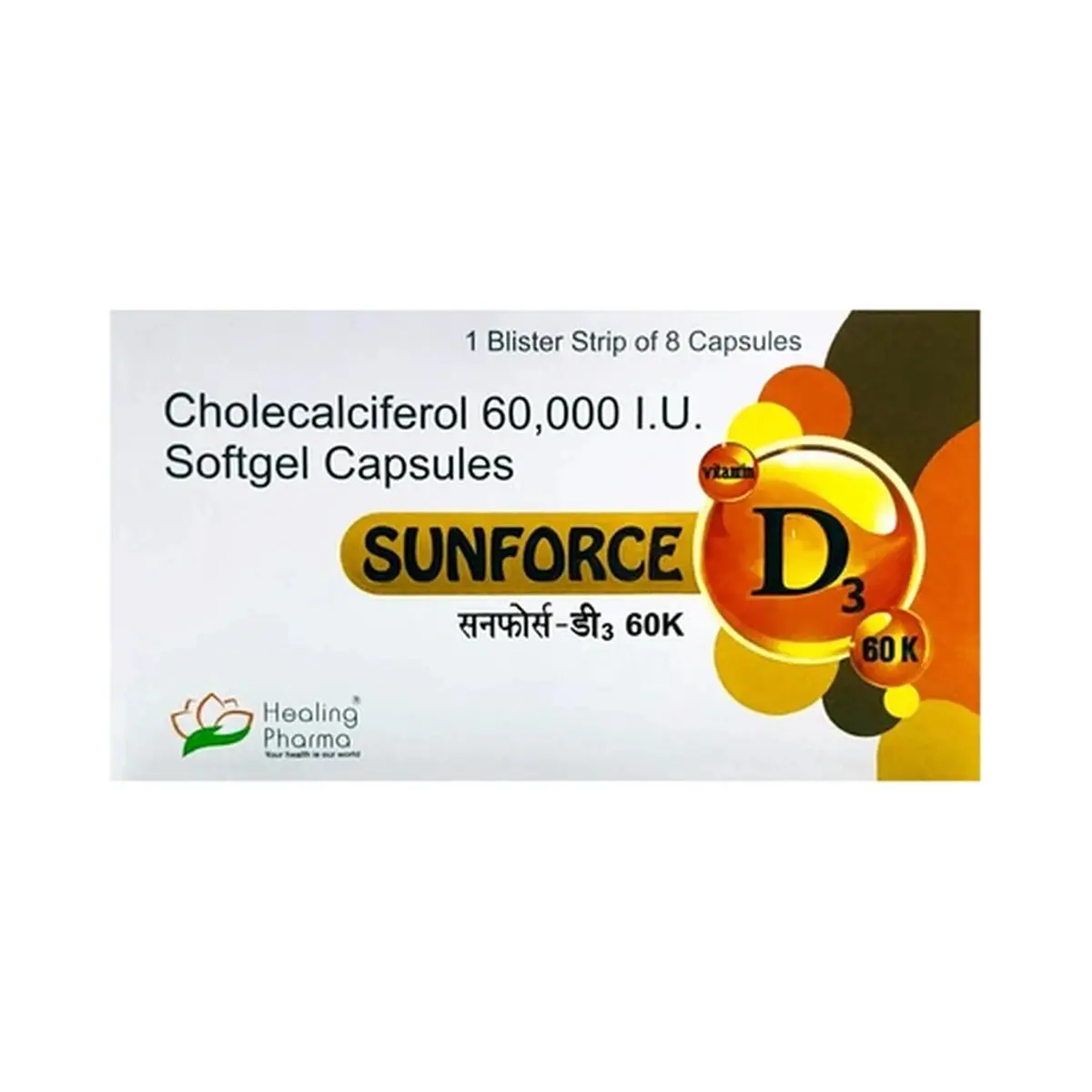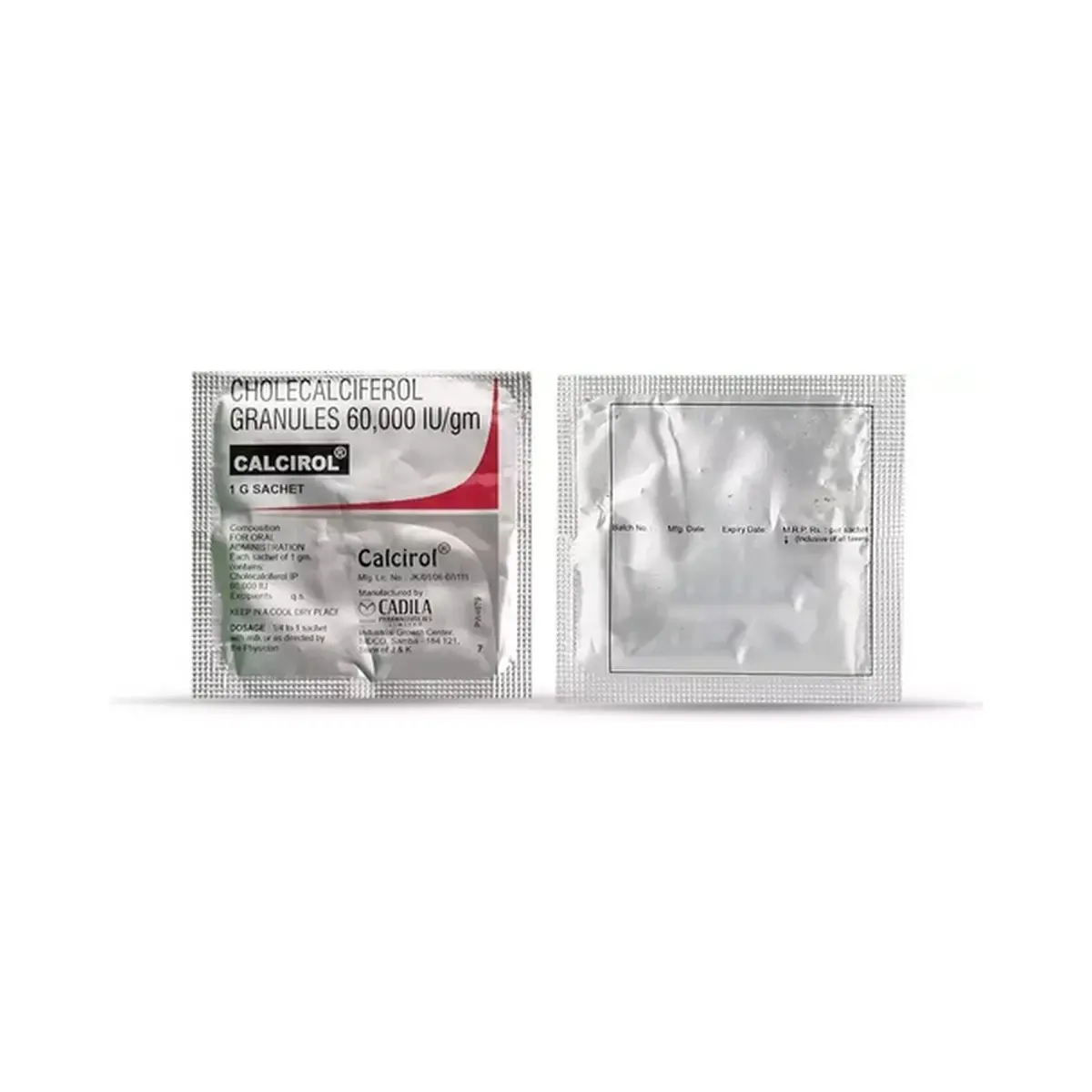
Description
Calcirol (Cholecalciferol) 60000 IU
Calcirol 60000 IU is presented as a high-strength oral cholecalciferol product. Cholecalciferol is vitamin D3, a fat-soluble vitamin used to help maintain vitamin D status and support normal calcium and phosphate balance in the body.
Active Ingredient and Medicine Class
The verified active ingredient is cholecalciferol, also known as vitamin D3. It belongs to the vitamin D class of nutrients and medicinal supplements. In higher-strength formulations, it is commonly used when vitamin D replacement is needed rather than only routine low-dose nutritional support.
Established Medical Uses
Cholecalciferol is used for vitamin D supplementation and for correction or prevention of vitamin D deficiency. Official prescribing information for cholecalciferol products also supports use in conditions where vitamin D replacement is needed to maintain calcium homeostasis and bone health. Some cholecalciferol products are additionally used in selected bone or mineral disorders under medical supervision.
Because trade-name availability and regulatory status can vary by country, the exact approved indication for a specific product should always be confirmed from the local package leaflet or product label.
How It Works
After absorption, cholecalciferol is converted in the liver and kidneys into active vitamin D metabolites. These metabolites help the intestine absorb calcium and phosphate more efficiently and support normal bone mineralisation. Vitamin D also contributes to regulation of parathyroid hormone, which helps maintain mineral balance.
Important Safety Information
Cholecalciferol should be used with caution in people with hypercalcaemia, hypervitaminosis D, or conditions associated with abnormal sensitivity to vitamin D. Official product information also lists malabsorption syndrome as a contraindication for some high-strength cholecalciferol products. Patients with kidney disease, calcium disorders, malignancy, or other complex medical conditions may require specialist supervision.
Clinically important interactions can occur with medicines that alter vitamin D handling or calcium balance. Examples include thiazide diuretics, which may increase the risk of hypercalcaemia, and mineral oil, which can reduce absorption of fat-soluble vitamins. Some medicines may also reduce the absorption or increase the breakdown of cholecalciferol.
High total vitamin D exposure from multiple supplements or fortified products can increase the risk of toxicity. For that reason, total intake from all sources should be considered when reviewing treatment.
Possible Side Effects
Many people tolerate cholecalciferol well at appropriate doses, but excessive exposure can cause vitamin D toxicity. Important adverse effects may include hypercalcaemia, hypercalciuria, nausea, loss of appetite, constipation, weakness, thirst, frequent urination, and dehydration. More serious toxicity can affect the kidneys and may lead to nephrocalcinosis or impaired renal function.
Long-standing excess vitamin D may also contribute to soft-tissue calcification and other complications related to high calcium levels.
Scientific Evidence
Peer-reviewed reviews support cholecalciferol as the standard nutritional form of vitamin D used to correct deficiency and raise serum 25-hydroxyvitamin D levels. Comparative reviews also note that cholecalciferol is the most widely used vitamin D supplement worldwide. Clinical literature consistently shows that vitamin D3 supplementation increases measured vitamin D status, although the exact response depends on baseline levels, formulation, and individual factors.
Scientific studies should be interpreted cautiously, because benefits outside vitamin D deficiency and bone-related indications are less certain and may not be established for all populations.
Medical Information Notice
This summary is provided for educational purposes only and reflects sources available at the time of review. It does not replace the official patient leaflet, regulatory product information, or assessment by a qualified healthcare professional.
Medical Sources
- DailyMed / U.S. National Library of Medicine. Decalcitrol (cholecalciferol) 50,000 Units label
- DailyMed / U.S. National Library of Medicine. Cholecalciferol 25 mcg tablet label
- Reinhold Vieth. Vitamin D supplementation: cholecalciferol, calcifediol, and calcitriol. European Journal of Clinical Nutrition, 2020. View scientific article
- Manuel Sosa Henríquez et al. Cholecalciferol or Calcifediol in the Management of Vitamin D Deficiency. Nutrients, 2020. View scientific article