Description
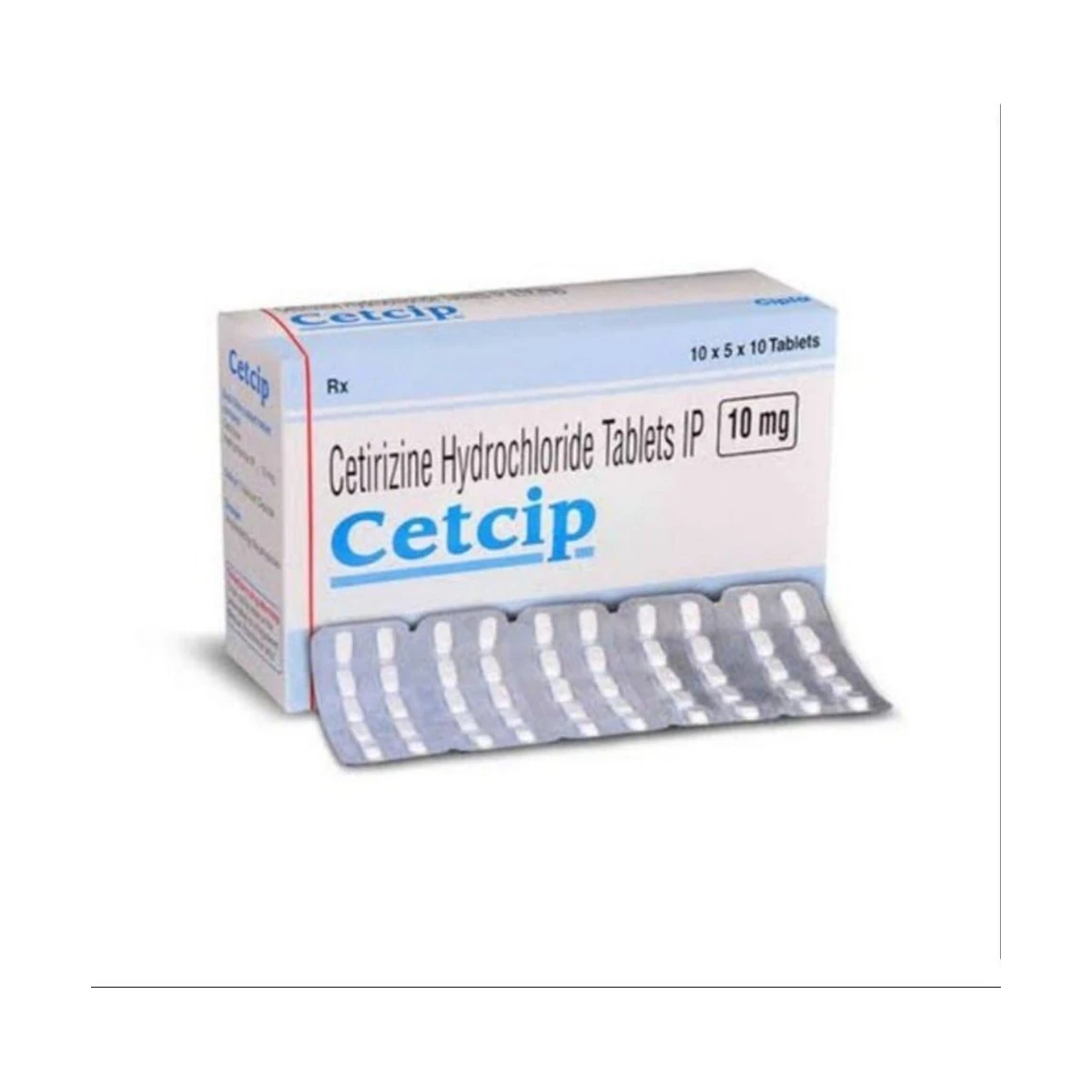
Cetcip (Cetirizine) 10 mg Tablets
Cetcip 10 mg tablets contain cetirizine dihydrochloride, a second-generation antihistamine for oral use. Cetirizine is widely used for symptom relief in allergic conditions, especially seasonal and perennial allergic rhinitis and chronic urticaria.
Active Ingredient and Medicine Class
The verified active ingredient is cetirizine dihydrochloride 10 mg. Cetirizine is a selective H1-receptor antagonist, commonly described as a second-generation antihistamine. Compared with older antihistamines, it is generally associated with less sedation, although drowsiness can still occur.
Established Medical Uses
Official prescribing information for cetirizine 10 mg film-coated tablets lists use in adults and children aged 6 years and above for relief of nasal and eye symptoms of seasonal and perennial allergic rhinitis. It is also indicated for chronic idiopathic urticaria, where it helps reduce itching and wheals.
In the United States, over-the-counter cetirizine labels describe temporary relief of symptoms due to hay fever or other upper respiratory allergies, including runny nose, sneezing, itchy or watery eyes, and itching of the nose or throat.
How It Works
Cetirizine works by blocking histamine at H1 receptors. Histamine is a natural chemical released during allergic reactions and is responsible for many common allergy symptoms, including sneezing, itching, runny nose, and watery eyes. By reducing histamine’s effects, cetirizine helps ease these symptoms. It also has some additional anti-allergic activity reported in prescribing information, including effects on late-phase inflammatory cell recruitment in allergy challenge studies.
Important Safety Information
Cetirizine should not be used in people with hypersensitivity to cetirizine, hydroxyzine, piperazine derivatives, or any excipient in the product. Official product information also lists end-stage renal disease as a contraindication for this tablet strength in some formulations.
Important precautions include kidney impairment, liver disease, a tendency toward urinary retention, and a history of convulsions or epilepsy. Cetirizine may cause or worsen drowsiness, so caution is advised when it is used with alcohol, sedatives, or tranquilizers. Allergy skin testing may be affected by antihistamines, so they can interfere with test results. Some patients may experience itching or urticaria after stopping treatment.
This tablet formulation contains lactose monohydrate, which may be relevant for people with rare hereditary disorders of lactose handling.
Possible Side Effects
Common or clinically important adverse effects include drowsiness, fatigue, dry mouth, headache, and sometimes dizziness. Less common reactions can include gastrointestinal upset, rash, or increased appetite.
Serious but uncommon reactions reported in prescribing information include allergic reactions, angioedema, urinary retention, abnormal liver tests, and, rarely, hepatitis. Any signs of a severe allergic reaction require urgent medical attention.
Scientific Evidence
Human clinical studies and reviews support cetirizine as an effective treatment for allergic rhinitis and chronic urticaria. A major review found it to be effective and generally well tolerated across seasonal allergic rhinitis, perennial allergic rhinitis, and chronic idiopathic urticaria. Randomized controlled trials have also shown improvement in rhinitis symptoms and quality of life, with some evidence of benefit in patients who also have mild to moderate asthma, without worsening pulmonary function in that study population.
Medical Information Notice
This page is an educational summary based on sources available at the time of review. It does not replace the official patient leaflet, product label, or individual assessment by a qualified healthcare professional.
Medical Sources
- Medicines and Healthcare products Regulatory Agency / electronic Medicines Compendium (emc). Cetirizine hydrochloride 10 mg film-coated tablets – Summary of Product Characteristics. View official prescribing information
- DailyMed / U.S. National Library of Medicine. Cetirizine Hydrochloride Tablet, Coated – Drug Label Information. View official drug label
- Monique P Curran et al. Cetirizine: a review of its use in allergic disorders. Drugs, 2004. View scientific article
- John J Murray et al. Comprehensive evaluation of cetirizine in the management of seasonal allergic rhinitis: impact on symptoms, quality of life, productivity, and activity impairment. Allergy Asthma Proc, 2002. View scientific article