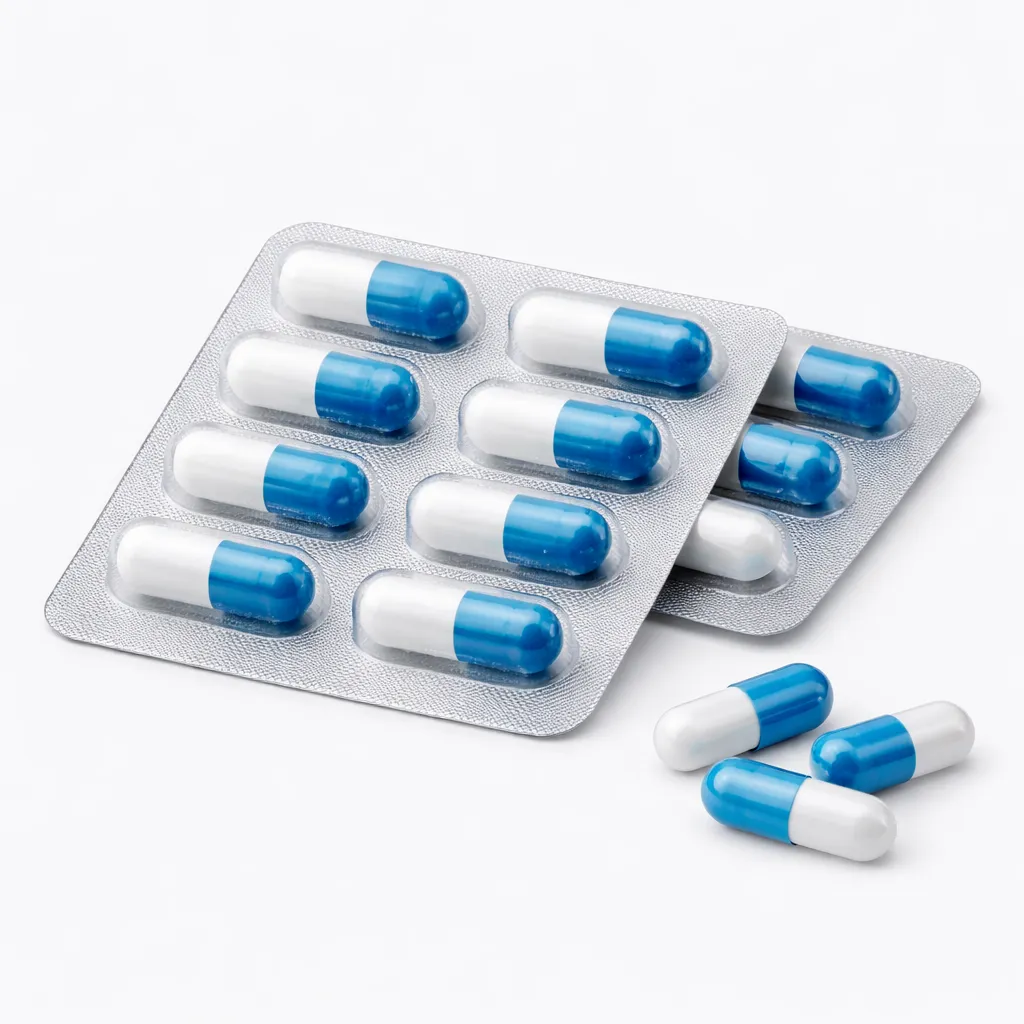
Description
CIPLAR 40MG
Indications
CIPLAR 40MG is primarily indicated for the management of hypertension and the prevention of angina pectoris. It is also utilized in the treatment of certain types of arrhythmias. The active ingredient in CIPLAR is propranolol, a non-selective beta-adrenergic antagonist that helps to lower blood pressure, reduce heart rate, and alleviate the symptoms associated with angina. In addition to cardiovascular conditions, propranolol may be prescribed for anxiety disorders, migraine prophylaxis, and essential tremors.
Mechanism of Action
The therapeutic effects of CIPLAR 40MG are attributed to the action of propranolol on beta-adrenergic receptors. Propranolol blocks both beta-1 and beta-2 adrenergic receptors, leading to decreased heart rate and myocardial contractility. This results in a reduction in cardiac output and overall blood pressure. Additionally, by inhibiting the effects of catecholamines, propranolol decreases the oxygen demand of the heart, which is beneficial in managing angina. Furthermore, propranolol’s ability to cross the blood-brain barrier allows it to exert effects on the central nervous system, which contributes to its efficacy in treating anxiety and migraine headaches.
Pharmacological Properties
CIPLAR 40MG exhibits a rapid absorption profile, with peak plasma concentrations typically occurring within 1 to 4 hours post-administration. The bioavailability of propranolol is approximately 25% due to extensive first-pass metabolism in the liver. The drug is highly protein-bound, primarily to albumin and alpha-1 acid glycoprotein. Propranolol has a half-life of approximately 3 to 6 hours, necessitating multiple daily doses for sustained therapeutic effect. The drug is metabolized in the liver and excreted primarily in the urine as metabolites, with less than 1% of the unchanged drug excreted in the urine.
Contraindications
CIPLAR 40MG is contraindicated in patients with a known hypersensitivity to propranolol or any of its components. It should not be used in individuals with severe bradycardia, heart block greater than first degree, cardiogenic shock, or decompensated heart failure. Additionally, patients with asthma or other bronchospastic conditions should avoid this medication due to the risk of bronchospasm. Caution is advised in patients with diabetes mellitus, as propranolol may mask the symptoms of hypoglycemia.
Side Effects
The use of CIPLAR 40MG may be associated with a range of side effects. Common adverse effects include fatigue, dizziness, lightheadedness, and gastrointestinal disturbances such as nausea and diarrhea. More serious side effects can occur, including bradycardia, hypotension, and exacerbation of bronchospastic diseases. Patients may also experience mood changes, sleep disturbances, and vivid dreams. Rare but severe reactions such as anaphylaxis and hepatic dysfunction have been reported. It is essential for patients to report any unusual symptoms to their healthcare provider promptly.
Dosage and Administration
The recommended initial dose of CIPLAR 40MG for hypertension is typically 40 mg taken orally twice daily. For angina, the usual starting dose is also 40 mg, administered twice daily. Depending on the patient’s response and tolerance, the dosage may be adjusted, with a maximum recommended dose of 320 mg per day for hypertension. For migraine prophylaxis, the starting dose is generally 80 mg per day, divided into two or three doses. It is important to follow the prescribing physician’s instructions and not to discontinue the medication abruptly, as this may precipitate withdrawal symptoms.
Interactions
CIPLAR 40MG can interact with various medications, which may enhance or diminish its effects. Co-administration with other antihypertensive agents may lead to additive blood pressure-lowering effects, necessitating careful monitoring. Nonsteroidal anti-inflammatory drugs (NSAIDs) may reduce the antihypertensive efficacy of propranolol. Additionally, drugs that inhibit CYP2D6, such as certain antidepressants and antipsychotics, may increase plasma levels of propranolol, leading to an increased risk of side effects. Patients should inform their healthcare provider of all medications, supplements, and herbal products they are taking to avoid potential interactions.
Precautions
Patients using CIPLAR 40MG should be monitored closely for signs of bradycardia and hypotension, particularly during dose adjustments. Special caution is warranted in patients with a history of respiratory conditions, diabetes, and hepatic impairment. It is advisable to assess renal function before initiating therapy, as propranolol is primarily eliminated by the liver. Patients should be advised to avoid sudden discontinuation of the medication, as this may lead to rebound hypertension or exacerbation of angina. Regular follow-up appointments are essential to evaluate treatment efficacy and safety.
Clinical Studies
Numerous clinical studies have demonstrated the efficacy of propranolol in managing hypertension and preventing angina. A randomized controlled trial published in the Journal of Hypertension showed that propranolol significantly reduced systolic and diastolic blood pressure compared to placebo. Another study in the American Journal of Cardiology highlighted the role of propranolol in reducing the frequency and severity of angina attacks in patients with coronary artery disease. Additionally, research has shown the effectiveness of propranolol in reducing the frequency of migraine attacks, further supporting its use in various clinical settings.
Conclusion
CIPLAR 40MG is a versatile medication with proven efficacy in managing hypertension, angina, and other conditions. Its mechanism of action as a non-selective beta-blocker allows for a multifaceted approach to treatment. However, it is crucial for patients to be aware of potential side effects and drug interactions. Regular monitoring and communication with healthcare providers are essential to ensure safe and effective use of this medication.
Important
It is vital to use CIPLAR 40MG responsibly and under the guidance of a healthcare professional. Patients should adhere to prescribed dosages and report any concerning symptoms to their healthcare provider. This ensures optimal therapeutic outcomes and minimizes the risk of adverse effects.