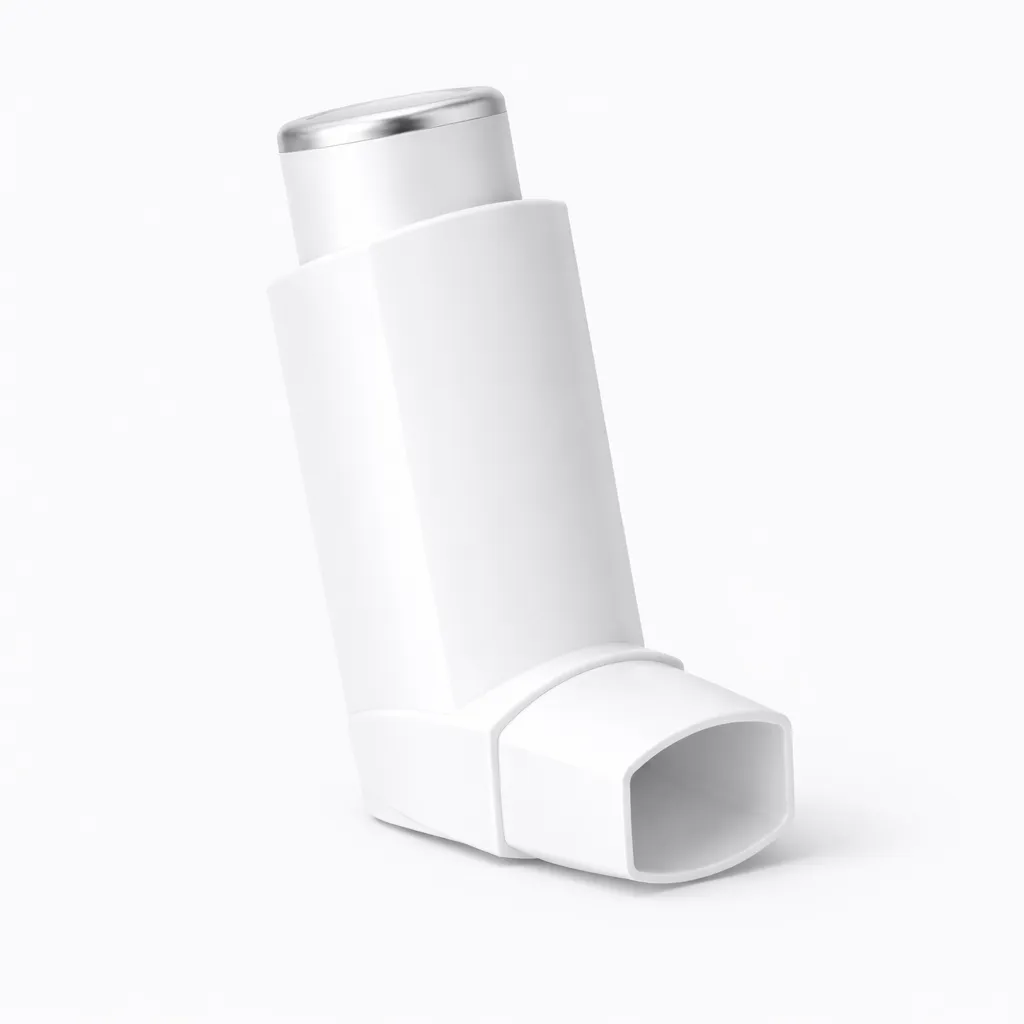
Description
CLENBUT 40 MCG (1X5)
Indications
CLENBUT 40 MCG is primarily indicated for the treatment of bronchial asthma and other conditions associated with reversible airway obstruction. It is also used as a bronchodilator to improve airflow in patients with chronic obstructive pulmonary disease (COPD). In some cases, it is utilized off-label for weight loss and muscle preservation in athletes, although these uses are not officially approved.
Mechanism of Action
Clenbuterol is a beta-2 adrenergic agonist that acts on the beta-2 receptors in the bronchial smooth muscle. Upon binding to these receptors, it leads to the activation of adenylate cyclase, which increases the intracellular levels of cyclic AMP (cAMP). Elevated cAMP levels result in the relaxation of bronchial smooth muscle, leading to bronchodilation. This mechanism not only facilitates easier breathing in patients with asthma and COPD but also contributes to the drug’s thermogenic and lipolytic effects, making it popular among bodybuilders and athletes.
Pharmacological Properties
Clenbuterol is characterized by its long half-life, which allows for once-daily dosing in many cases. The drug is well-absorbed following oral administration, with peak plasma concentrations typically occurring within 2 to 3 hours. It is metabolized in the liver and excreted primarily through urine. Its pharmacokinetic profile supports its use in both acute and chronic respiratory conditions, providing sustained bronchodilation. Additionally, clenbuterol exhibits a high affinity for beta-2 receptors compared to beta-1 receptors, minimizing cardiovascular side effects when used at therapeutic doses.
Contraindications
CLENBUT 40 MCG is contraindicated in patients with a known hypersensitivity to clenbuterol or any of its components. It should not be used in individuals with severe cardiovascular disorders, including arrhythmias, coronary artery disease, or hypertension. Patients with hyperthyroidism, diabetes mellitus, or seizure disorders should also avoid using this medication unless under strict medical supervision. Additionally, it is contraindicated in pregnant or breastfeeding women due to potential risks to the fetus or infant.
Side Effects
Common side effects of CLENBUT 40 MCG include tremors, headache, palpitations, and increased heart rate. Other potential side effects may include muscle cramps, insomnia, and anxiety. In rare cases, more severe adverse reactions such as cardiac arrhythmias, hypertension, and hypokalemia may occur, especially with excessive dosing or prolonged use. Patients should be monitored for these side effects, particularly those with pre-existing cardiovascular conditions.
Dosage and Administration
The recommended dosage of CLENBUT 40 MCG varies based on the indication and patient response. For adults with asthma or COPD, the typical starting dose is 20 to 40 mcg taken once daily, which may be adjusted based on clinical response. It is important to titrate the dosage carefully to minimize side effects. For off-label uses, such as weight loss or athletic performance enhancement, dosages can vary widely, and users should proceed with caution due to the risk of adverse effects. Clenbuterol should be taken consistently at the same time each day to maintain stable drug levels in the body.
Interactions
CLENBUT 40 MCG may interact with other medications, particularly those that affect cardiovascular function. Co-administration with other sympathomimetic agents can lead to an increased risk of cardiovascular side effects. Additionally, beta-blockers may reduce the effectiveness of clenbuterol and should be used cautiously. Diuretics may also be affected due to the potential for hypokalemia. Patients should inform their healthcare provider of all medications and supplements they are taking to avoid possible interactions.
Precautions
Patients using CLENBUT 40 MCG should be monitored closely for any signs of cardiovascular complications, especially if they have a history of heart disease. It is essential to assess the risk of hypokalemia, particularly in patients taking diuretics or those with a history of electrolyte imbalances. Caution is advised when prescribing this medication to patients with a history of seizures, as clenbuterol may lower the seizure threshold. Regular follow-up appointments should be scheduled to evaluate the effectiveness of the treatment and to monitor for potential side effects.
Clinical Studies
Clinical studies have demonstrated the efficacy of CLENBUT 40 MCG in improving lung function in patients with asthma and COPD. A randomized controlled trial published in the Journal of Allergy and Clinical Immunology showed that patients receiving clenbuterol experienced significant improvements in forced expiratory volume (FEV1) compared to those receiving a placebo. Another study highlighted its role in reducing airway hyperresponsiveness and improving overall respiratory function. However, the use of clenbuterol for weight loss and athletic performance enhancement remains controversial and lacks robust clinical evidence to support its safety and efficacy in these contexts.
Conclusion
CLENBUT 40 MCG is a potent beta-2 adrenergic agonist used primarily for the management of asthma and COPD. While it offers significant benefits in improving respiratory function, it also carries the potential for side effects and interactions with other medications. Patients should use this medication under the guidance of a healthcare professional and be aware of the risks associated with its use, especially in non-approved contexts such as weight loss or athletic performance enhancement. Ongoing research is necessary to further elucidate its safety profile and long-term effects.
Important
It is crucial to use CLENBUT 40 MCG responsibly and under medical supervision. Misuse of this medication can lead to serious health complications. Always consult with a healthcare provider before starting or modifying any treatment regimen.