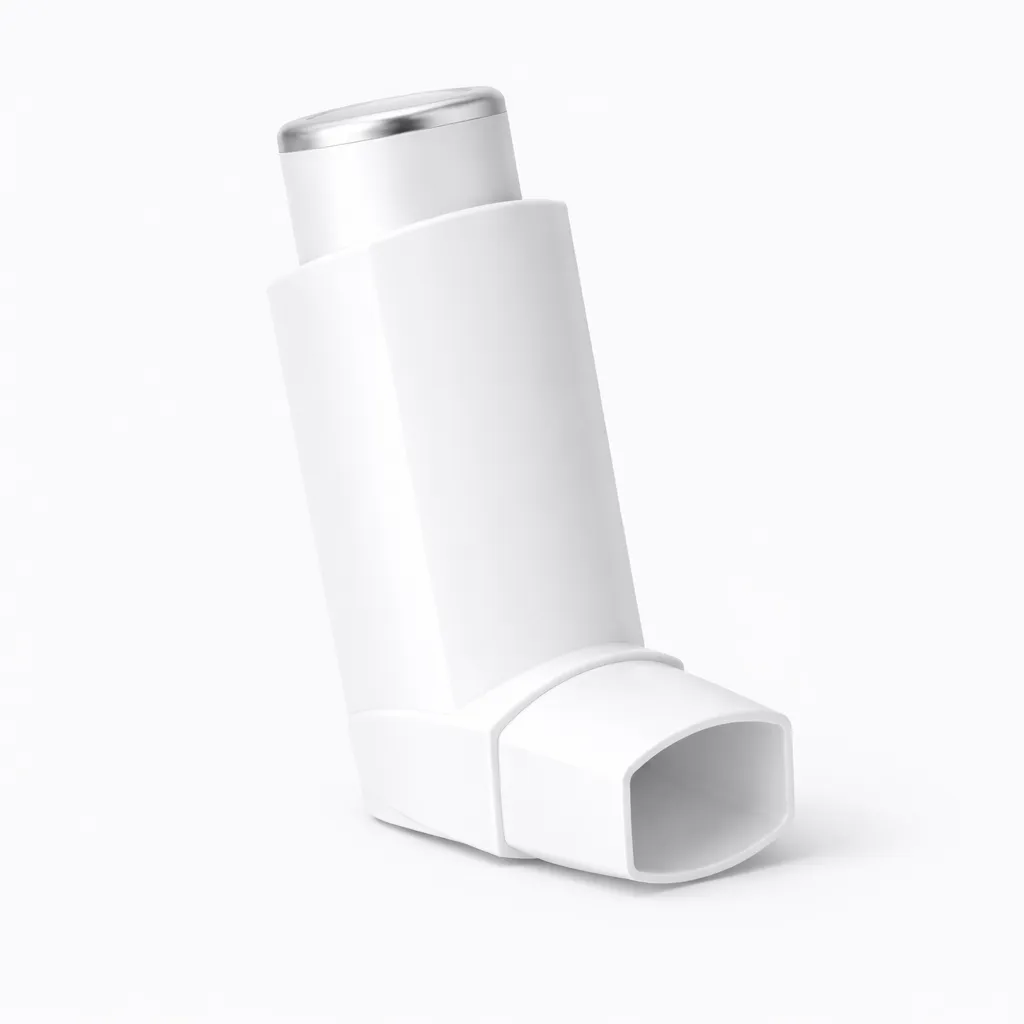
Description
CLENFIT 40 MG (1X10)
Indications
CLENFIT 40 MG is primarily indicated for the treatment of various respiratory conditions, including asthma and chronic obstructive pulmonary disease (COPD). It is designed to alleviate symptoms such as wheezing, shortness of breath, and chest tightness. The medication is typically prescribed for patients who require long-term management of their respiratory conditions to improve lung function and overall quality of life.
Mechanism of Action
CLENFIT contains the active ingredient Clenbuterol, a beta-2 adrenergic agonist. It works by stimulating beta-2 receptors in the smooth muscle of the airways, leading to bronchodilation. This relaxation of the bronchial muscles facilitates easier airflow and reduces resistance in the respiratory tract. Additionally, Clenbuterol has been shown to possess anti-inflammatory properties, which can further assist in managing respiratory conditions by reducing airway inflammation and hyperreactivity.
Pharmacological Properties
Clenbuterol exhibits a high selectivity for beta-2 adrenergic receptors, making it effective in promoting bronchodilation with minimal cardiovascular side effects. The onset of action is typically observed within 30 minutes of administration, with peak effects occurring around 2 to 3 hours post-dose. The duration of action can last up to 12 hours, allowing for twice-daily dosing in many cases. Clenbuterol is well-absorbed in the gastrointestinal tract and has a bioavailability of approximately 80%. It undergoes hepatic metabolism, with renal excretion of its metabolites.
Contraindications
CLENFIT 40 MG is contraindicated in patients with a known hypersensitivity to Clenbuterol or any of its components. It should not be used in individuals with severe cardiovascular disorders, including tachyarrhythmias, severe hypertension, or coronary artery disease. Additionally, patients with hyperthyroidism or pheochromocytoma should avoid this medication due to the potential for exacerbating their conditions.
Side Effects
Common side effects associated with CLENFIT may include tremors, headache, palpitations, and muscle cramps. These effects are generally mild and transient. However, some patients may experience more severe reactions such as increased heart rate, hypertension, or anxiety. In rare cases, allergic reactions may occur, presenting as rash, itching, or swelling. It is essential for patients to report any unusual or severe side effects to their healthcare provider promptly.
Dosage and Administration
The recommended dosage of CLENFIT 40 MG varies based on the severity of the condition and the patient’s response to treatment. For adults, the typical starting dose is 20 micrograms, which may be increased to 40 micrograms as needed. It is important to adhere to the prescribed dosing regimen and not exceed the maximum recommended dose unless directed by a healthcare professional. CLENFIT should be taken orally, with or without food, and patients are advised to drink plenty of fluids to enhance absorption.
Interactions
CLENFIT may interact with other medications, potentially altering its effectiveness or increasing the risk of side effects. Notably, the concurrent use of other sympathomimetic agents can enhance cardiovascular effects. Additionally, monoamine oxidase inhibitors (MAOIs) and tricyclic antidepressants may potentiate the effects of Clenbuterol, leading to increased heart rate and blood pressure. Patients should inform their healthcare provider of all medications, supplements, and herbal products they are taking to avoid potential interactions.
Precautions
Before starting treatment with CLENFIT, patients should undergo a thorough medical evaluation. Special caution is advised in patients with pre-existing heart conditions, diabetes, or seizure disorders. Regular monitoring of heart rate and blood pressure is recommended during therapy. Patients should also be advised to avoid sudden discontinuation of the medication, as this may lead to exacerbation of respiratory symptoms. Pregnant or breastfeeding women should consult their healthcare provider before using this medication, as the effects on fetal development and lactation are not fully established.
Clinical Studies
Clinical studies have demonstrated the efficacy of Clenbuterol in improving lung function and reducing the frequency of exacerbations in patients with asthma and COPD. A randomized controlled trial published in the Journal of Respiratory Medicine showed that patients treated with Clenbuterol experienced significant improvements in forced expiratory volume (FEV1) compared to those receiving a placebo. Another study highlighted its role in reducing airway inflammation, further supporting its use in managing chronic respiratory conditions.
Conclusion
CLENFIT 40 MG is a valuable medication for the management of asthma and COPD, providing effective bronchodilation and symptomatic relief. Its mechanism of action, pharmacological properties, and clinical efficacy make it a suitable option for patients requiring long-term respiratory care. However, it is crucial for patients to use this medication responsibly, adhering to prescribed dosages and being aware of potential side effects and interactions. Regular follow-up with healthcare providers is essential to ensure optimal management of respiratory conditions.
Important
It is essential to use CLENFIT 40 MG responsibly and under the guidance of a healthcare professional. Always follow the prescribed dosage and report any adverse effects to your doctor. This medication should not be used for purposes other than its intended indications.