Description
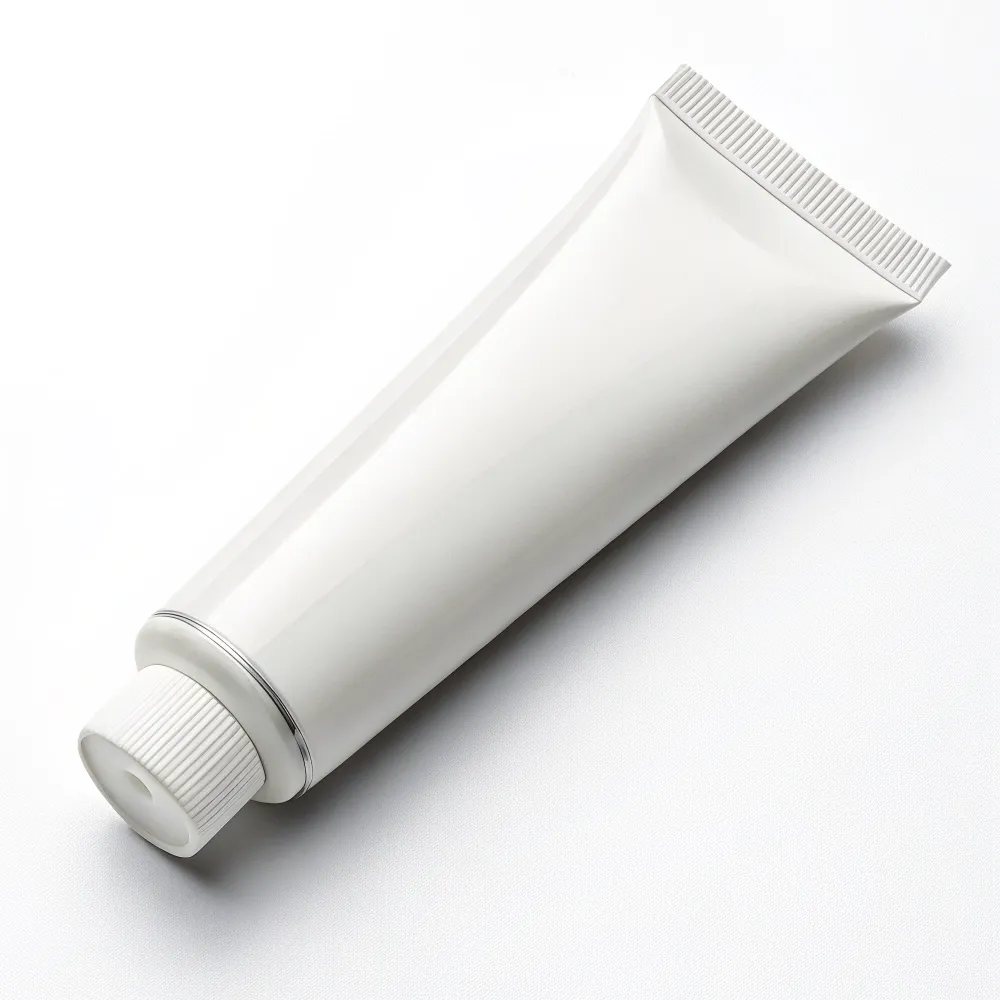
CLINSOL GEL 15GM
Indications
CLINSOL GEL 15GM is a topical formulation primarily indicated for the treatment of acne vulgaris. It is designed to reduce the number of acne lesions and improve the overall appearance of the skin. The gel is suitable for use in adolescents and adults who are experiencing mild to moderate acne. Additionally, it may be utilized in the management of other dermatological conditions as determined by a healthcare professional.
Mechanism of Action
CLINSOL GEL contains clindamycin, an antibiotic that works by inhibiting bacterial protein synthesis. It specifically targets the ribosomal subunit of the bacteria, leading to a reduction in the growth of Propionibacterium acnes, the bacteria primarily responsible for acne development. By decreasing the bacterial load on the skin, clindamycin helps to reduce inflammation and prevent the formation of new acne lesions. The gel formulation allows for easy application and penetration into the skin, enhancing its therapeutic efficacy.
Pharmacological Properties
Clindamycin is a lincosamide antibiotic that exhibits bacteriostatic activity against a variety of gram-positive bacteria and anaerobes. When applied topically, it achieves effective concentrations in the skin, particularly in the sebaceous glands, which are often involved in acne pathogenesis. The pharmacokinetics of clindamycin in topical form indicates minimal systemic absorption, making it a safe option for localized treatment. The gel formulation also contains excipients that facilitate the absorption of the active ingredient, ensuring optimal therapeutic outcomes.
Contraindications
CLINSOL GEL is contraindicated in individuals with a known hypersensitivity to clindamycin, lincomycin, or any of the components of the gel. It should not be used in patients with a history of antibiotic-associated colitis or gastrointestinal diseases that may predispose them to severe reactions. Additionally, the gel should not be applied to broken or inflamed skin, as this may increase the risk of systemic absorption and potential side effects.
Side Effects
Common side effects associated with the use of CLINSOL GEL may include local irritation, such as burning, itching, or dryness at the application site. These reactions are usually mild and transient. In rare cases, allergic reactions may occur, presenting as rash, swelling, or difficulty breathing. If any severe side effects are experienced, it is crucial to discontinue use and seek medical attention. Long-term use may also lead to antibiotic resistance; therefore, it is important to follow the prescribed regimen.
Dosage and Administration
CLINSOL GEL is typically applied once or twice daily, depending on the severity of the acne and the recommendation of a healthcare provider. The gel should be applied to clean, dry skin, focusing on the affected areas. A small amount is sufficient; excessive application does not enhance efficacy and may increase the risk of side effects. Patients are advised to wash their hands after application and avoid contact with the eyes, mouth, and mucous membranes. It is essential to adhere to the prescribed duration of treatment to achieve optimal results.
Interactions
While the systemic absorption of clindamycin from topical application is minimal, caution should be exercised when using other topical agents that may cause skin irritation or dryness, such as benzoyl peroxide or alpha hydroxy acids. The concurrent use of these products may exacerbate local irritation. Additionally, patients should inform their healthcare provider of all medications they are taking, including over-the-counter products, to avoid potential interactions.
Precautions
Before starting treatment with CLINSOL GEL, patients should inform their healthcare provider of any existing medical conditions, particularly those related to gastrointestinal health. It is important to monitor for any signs of severe irritation or allergic reactions during the course of treatment. Patients with a history of inflammatory bowel disease or colitis should use this medication with caution. Pregnant or breastfeeding women should consult their healthcare provider before using this product, as the safety of clindamycin during pregnancy and lactation has not been fully established.
Clinical Studies
Clinical studies have demonstrated the efficacy of clindamycin in reducing acne lesions and improving skin appearance. In a randomized controlled trial, patients treated with clindamycin topical gel showed a significant reduction in inflammatory and non-inflammatory acne lesions compared to a placebo group. The studies also indicated that the gel formulation was well tolerated, with minimal adverse effects reported. Long-term studies have suggested that clindamycin is effective in maintaining acne control when used as part of a comprehensive acne management plan.
Conclusion
CLINSOL GEL 15GM is an effective topical treatment for acne vulgaris, leveraging the antibacterial properties of clindamycin to reduce acne lesions and improve skin health. With its favorable safety profile and minimal systemic absorption, it is a suitable option for patients seeking localized acne treatment. Adherence to the prescribed dosage and careful monitoring for side effects are essential for achieving the best therapeutic outcomes. Patients should engage in open communication with their healthcare provider to ensure the safe and effective use of this medication.
Important
It is essential to use CLINSOL GEL responsibly and as directed by a healthcare professional. Misuse or overuse can lead to adverse effects or decreased effectiveness. Always consult with a healthcare provider for personalized medical advice.