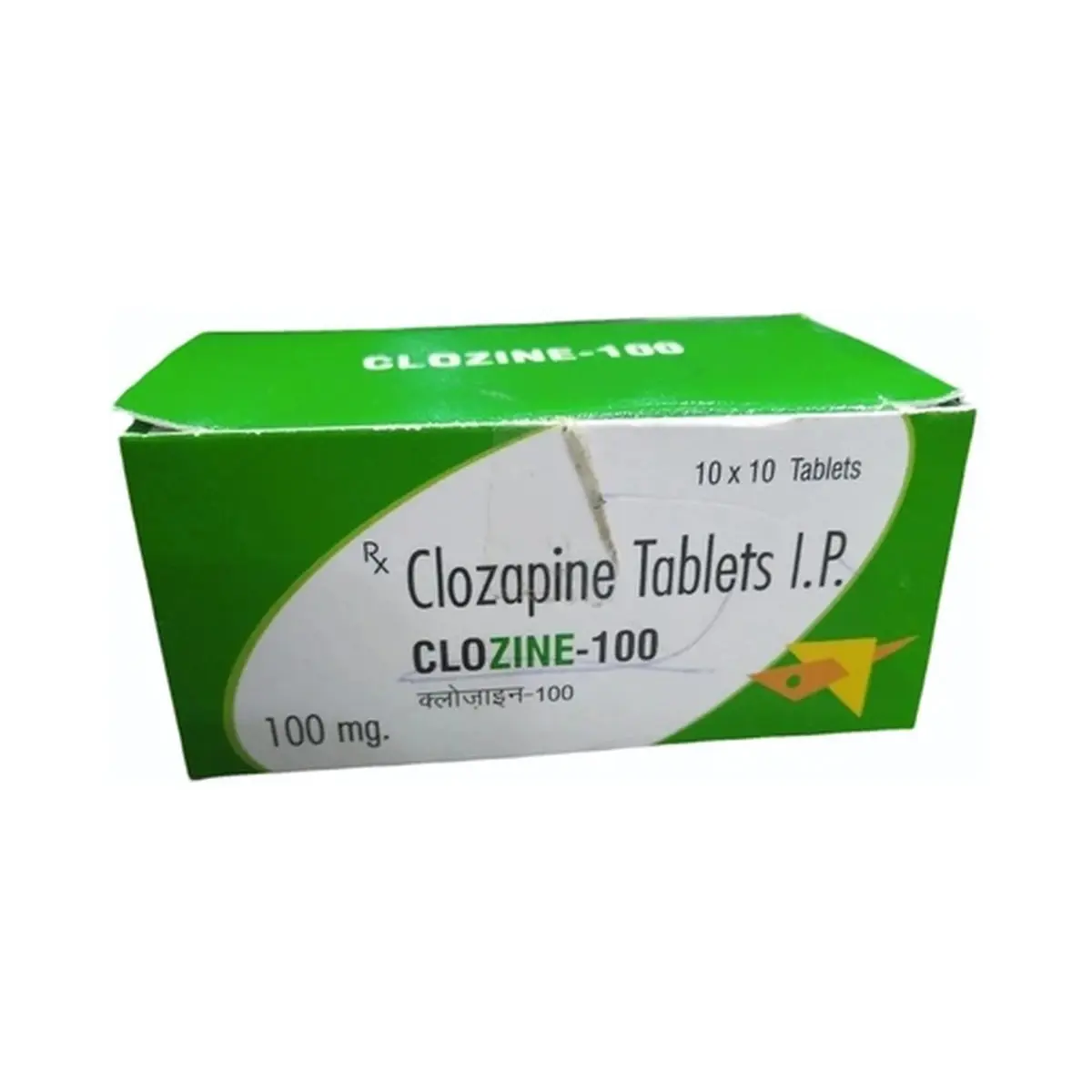
Description
Clozine (Clozapine) 100 mg
Clozine 100 mg is an oral tablet containing clozapine, an atypical antipsychotic medicine. It is used for specific, severe psychotic disorders where standard antipsychotic treatment has not been adequate, and it also has an established role in reducing recurrent suicidal behaviour in certain patients with schizophrenia or schizoaffective disorder.
Active Ingredient and Medicine Class
The verified active ingredient is clozapine. It belongs to the atypical antipsychotic class. Clozapine is chemically distinct from many other antipsychotics and has a broad receptor-binding profile, including dopamine, serotonin, adrenergic, histaminergic and cholinergic receptors.
Established Medical Uses
Clozapine is established for treatment-resistant schizophrenia, meaning schizophrenia that has not responded adequately to standard antipsychotic therapy. It is also indicated to reduce the risk of recurrent suicidal behaviour in patients with schizophrenia or schizoaffective disorder who are considered at chronic risk based on clinical history and current status.
Because of its safety profile and monitoring requirements, clozapine is generally reserved for carefully selected patients rather than routine first-line use.
How It Works
The exact mechanism of clozapine is not fully known. Current prescribing information proposes that its antipsychotic effect is mainly related to dopamine D2 and serotonin 5-HT2A receptor antagonism. It also acts on several other receptor systems, which likely contributes both to its therapeutic effects and to many of its adverse effects. Its receptor profile differs from that of many other antipsychotics and is thought to be part of why it can help some patients who do not respond well to other medicines.
Important Safety Information
Clozapine has major safety considerations and requires close medical supervision. Key contraindications and precautions include known hypersensitivity to clozapine or any component of the product. Serious warnings include severe neutropenia, orthostatic hypotension, bradycardia, syncope, seizures, myocarditis, pericarditis, cardiomyopathy, and severe gastrointestinal hypomotility.
Clinically significant interactions are important. Clozapine is metabolized by multiple CYP enzymes, especially CYP1A2; inhibitors can raise clozapine exposure, while inducers can lower it and reduce effectiveness. Strong CYP1A2 inhibitors and several other interacting medicines may require major adjustment of exposure or avoidance. Anticholinergic medicines may increase the risk of anticholinergic toxicity and severe gastrointestinal complications.
Additional warnings include QT interval prolongation, metabolic changes such as weight gain and diabetes, and increased mortality when used in elderly patients with dementia-related psychosis.
Possible Side Effects
Commonly reported adverse effects include sedation, hypersalivation, dizziness, constipation, tachycardia, weight gain, and other metabolic effects. Some patients also experience nausea, fever, or postural hypotension.
More serious adverse reactions can include agranulocytosis or severe neutropenia, myocarditis, cardiomyopathy, seizures, ileus, pneumonia, and rare hypersensitivity reactions such as Stevens-Johnson syndrome. These reactions are uncommon but clinically important.
Scientific Evidence
Human clinical evidence and reviews consistently describe clozapine as the most effective antipsychotic option for many patients with treatment-resistant schizophrenia. Review literature also supports its role in reducing recurrent suicidal behaviour in schizophrenia and schizoaffective disorder. At the same time, the published evidence emphasises that its benefits must be weighed against the need for ongoing safety monitoring because serious haematological, cardiac, gastrointestinal and metabolic adverse effects can occur.
Medical Information Notice
This page is an educational summary based on authoritative sources available at the time of review. It does not replace the official patient leaflet, product label, or assessment by a qualified healthcare professional.
Medical Sources
- U.S. Food and Drug Administration CLOZARIL (clozapine) tablets, oral use. View prescribing information
- DailyMed / U.S. National Library of Medicine Clozapine tablets, oral use. View official drug label
- Flanagan RJ et al. Clozapine in the treatment of refractory schizophrenia: a practical guide for healthcare professionals. British Medical Bulletin, 2020. View scientific article
- Knoph KN et al. Clozapine-induced cardiomyopathy and myocarditis monitoring: A systematic review. Schizophrenia Research, 2018. View scientific article