Description
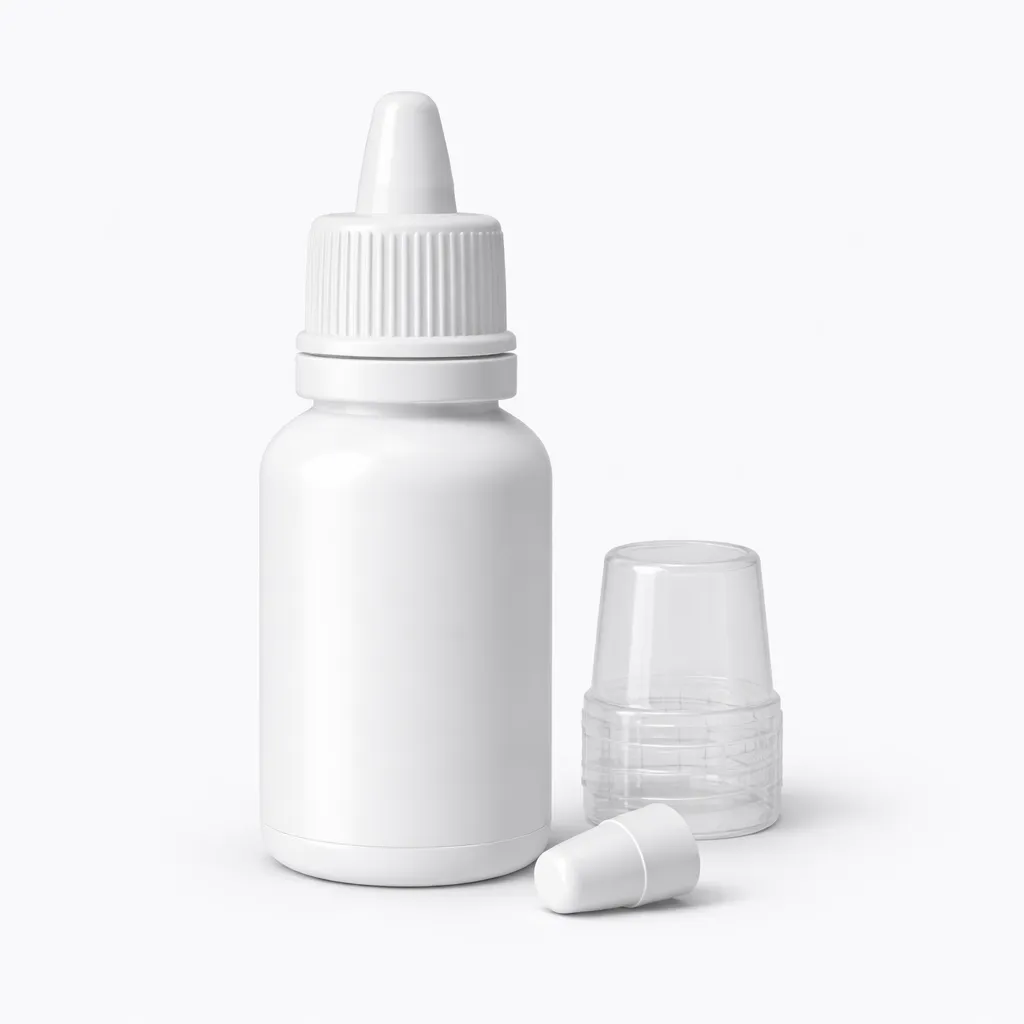
COMBIGAN SOLUTION DROP
Indications
COMBIGAN is a prescription eye drop solution indicated for the reduction of intraocular pressure (IOP) in patients with open-angle glaucoma or ocular hypertension. It is particularly useful for patients who require multiple medications to control their IOP effectively. The combination of active ingredients in COMBIGAN allows for a more effective treatment regimen, potentially improving patient adherence and outcomes.
Mechanism of Action
COMBIGAN contains two active ingredients: brimonidine tartrate and timolol maleate. Brimonidine tartrate is an alpha-2 adrenergic agonist that works by decreasing the production of aqueous humor and increasing uveoscleral outflow, thereby reducing IOP. Timolol maleate is a non-selective beta-adrenergic antagonist that reduces aqueous humor production. The synergistic effect of these two mechanisms results in a greater reduction in IOP compared to either agent alone.
Pharmacological Properties
Brimonidine tartrate has a high affinity for alpha-2 adrenergic receptors, which leads to its effectiveness in lowering IOP. Its pharmacokinetics involve rapid absorption into the systemic circulation following ocular administration, though systemic side effects are generally minimal due to the low dose used in eye drops. Timolol maleate, on the other hand, is well-absorbed and has a longer duration of action. The combination of these drugs allows for a more comprehensive approach to managing IOP in patients with glaucoma.
Contraindications
COMBIGAN is contraindicated in patients with a known hypersensitivity to any of its components, including brimonidine or timolol. It should also be avoided in patients with bronchial asthma, a history of severe chronic obstructive pulmonary disease (COPD), sinus bradycardia, heart block greater than first degree, cardiogenic shock, or overt cardiac failure. Caution is advised when prescribing COMBIGAN to patients with a history of depression, as brimonidine may exacerbate these conditions.
Side Effects
Common side effects associated with COMBIGAN include ocular hyperemia, dry mouth, and fatigue. Other less common side effects may include allergic reactions, blurred vision, and systemic effects such as bradycardia or hypotension. Patients should be monitored for these side effects, especially during the initial stages of treatment. If severe side effects occur, patients should contact their healthcare provider immediately.
Dosage and Administration
The recommended dosage of COMBIGAN is one drop in the affected eye(s) twice daily, approximately 12 hours apart. Patients should be instructed on the proper technique for administering eye drops to ensure optimal therapeutic effect. It is important to shake the bottle well before use and to avoid touching the tip of the dropper to any surface, including the eye, to prevent contamination. If a dose is missed, the patient should take it as soon as they remember, but if it is almost time for the next dose, they should skip the missed dose and return to their regular dosing schedule.
Interactions
COMBIGAN may interact with other medications, particularly those that affect blood pressure or heart rate. Caution should be exercised when combining COMBIGAN with other antihypertensive agents, as the additive effects may lead to significant hypotension or bradycardia. Additionally, the use of COMBIGAN with other topical ophthalmic agents should be spaced at least 5 minutes apart to avoid dilution and ensure maximum efficacy. Patients should inform their healthcare provider of all medications they are currently taking to assess for potential interactions.
Precautions
Patients with a history of cardiovascular disease, respiratory conditions, or renal impairment should use COMBIGAN with caution. Regular monitoring of heart rate and blood pressure is advised, especially in elderly patients or those with pre-existing conditions. The safety and efficacy of COMBIGAN in pediatric patients have not been established, and its use in this population should be approached with caution. Pregnant or breastfeeding women should consult their healthcare provider before using COMBIGAN, as the effects on fetal or infant development are not fully understood.
Clinical Studies
Clinical studies have demonstrated the efficacy of COMBIGAN in reducing IOP in patients with open-angle glaucoma and ocular hypertension. In a randomized controlled trial, patients treated with COMBIGAN showed a statistically significant reduction in IOP compared to those treated with either brimonidine or timolol alone. Furthermore, the combination therapy was well-tolerated, with a safety profile consistent with the individual components. Long-term studies have also indicated that COMBIGAN can maintain IOP reduction over extended periods, making it a valuable option in the management of glaucoma.
Conclusion
COMBIGAN is an effective and well-tolerated option for the management of elevated intraocular pressure in patients with open-angle glaucoma or ocular hypertension. Its dual-action formula allows for enhanced IOP reduction and improved patient adherence. However, careful consideration of contraindications, potential side effects, and drug interactions is essential for safe and effective use. Patients should be educated on the proper administration of the drops and the importance of adherence to their prescribed regimen to achieve optimal therapeutic outcomes.
Important
COMBIGAN should be used responsibly and under the guidance of a qualified healthcare professional. Patients are encouraged to discuss any concerns or questions regarding their treatment with their doctor or pharmacist.