Description
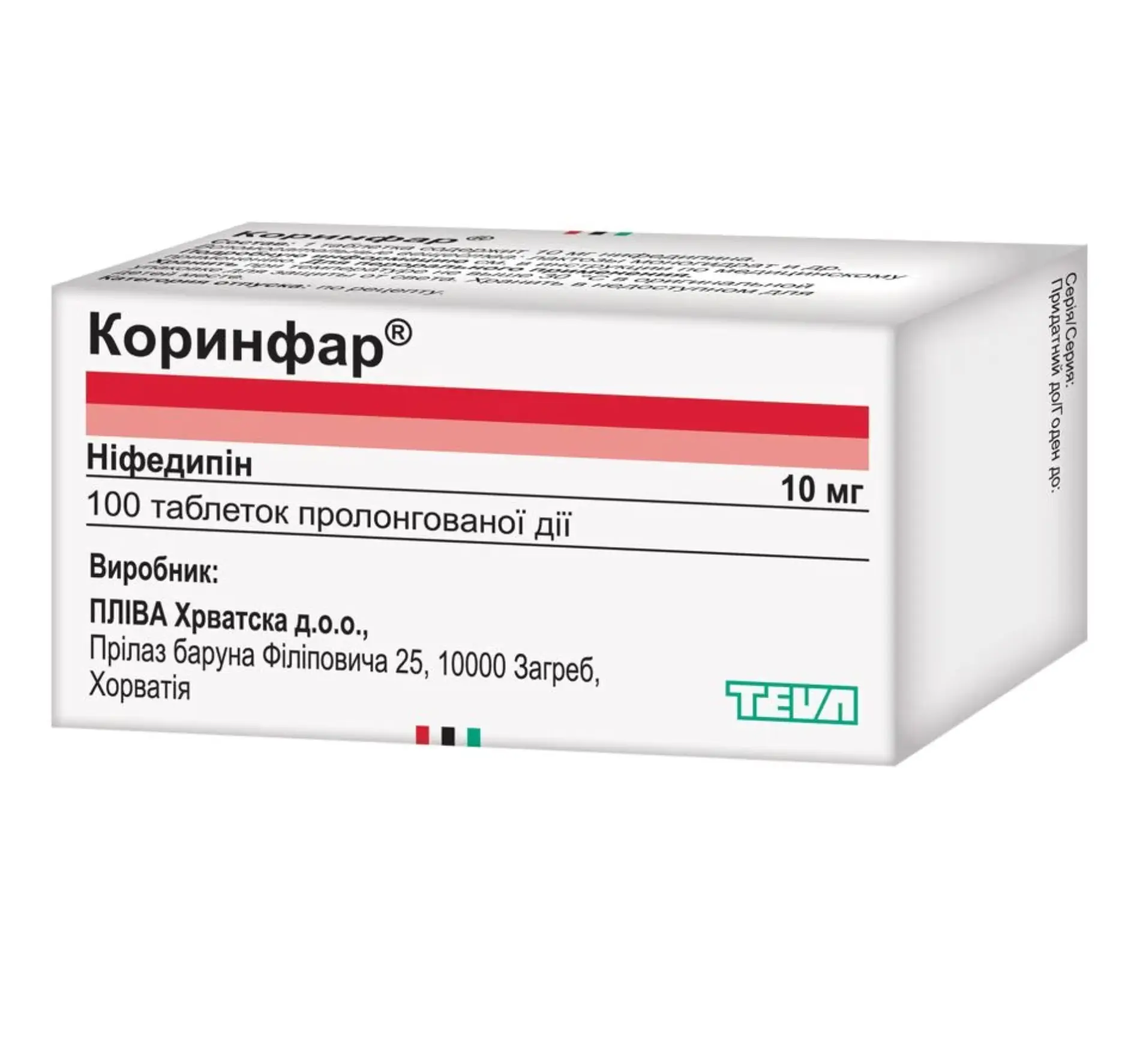
Corinfar (Nifedipine) XR 10 mg №100
Corinfar (nifedipine) prolonged release tablets 10 mg №100 is a calcium channel blocker medication used in cardiovascular therapy for the management of arterial hypertension, angina pectoris, vasospastic conditions, and circulation-related cardiovascular disorders. The prolonged release formulation is designed to provide gradual nifedipine release throughout the day, supporting stable therapeutic activity and more consistent blood pressure control.
Corinfar belongs to the dihydropyridine group of calcium channel blockers and is widely used in cardiology practice due to its vasodilatory and antihypertensive properties. The medication acts primarily on vascular smooth muscle, helping reduce peripheral vascular resistance and improve blood flow dynamics.
The prolonged release tablet formulation is intended to support sustained nifedipine plasma concentrations while reducing abrupt fluctuations associated with immediate-release cardiovascular medications.
Active Ingredient
Each prolonged release tablet contains:
- Nifedipine 10 mg
Package contents:
- 100 prolonged release tablets
- Vial packaging format
What Is Corinfar Used For?
Corinfar (nifedipine) prolonged release tablets are commonly prescribed for management of cardiovascular conditions involving elevated vascular tone and increased blood pressure.
The medication is widely used for:
- Arterial hypertension
- High blood pressure management
- Stable angina pectoris
- Vasospastic angina
- Coronary circulation support
- Peripheral vascular spasm
- Cardiovascular supportive therapy
- Long-term antihypertensive therapy
- Blood vessel relaxation support
- Microcirculation improvement programs
Due to its vasodilatory mechanism, nifedipine may help reduce vascular resistance and improve systemic and coronary blood flow.
How Corinfar (Nifedipine) Works
Nifedipine belongs to the calcium channel blocker class of cardiovascular medications. The active ingredient inhibits calcium ion influx into vascular smooth muscle cells and myocardial tissues through slow calcium channels.
By reducing intracellular calcium entry:
- Vascular smooth muscles relax
- Peripheral arteries dilate
- Blood pressure decreases
- Coronary circulation improves
- Myocardial oxygen demand may decrease
- Cardiac workload may be reduced
The prolonged release formulation gradually delivers nifedipine over time, helping maintain more stable cardiovascular effects during the dosing interval.
Pharmacological Properties
Corinfar prolonged release tablets demonstrate:
- Antihypertensive effects
- Antianginal activity
- Peripheral vasodilatory effects
- Coronary vasodilation
- Reduction of peripheral vascular resistance
- Improvement of blood circulation dynamics
Nifedipine is widely utilized in cardiovascular medicine because of its selective vascular effects and established role in long-term hypertension management protocols.
Corinfar for High Blood Pressure
Corinfar prolonged release tablets are commonly used in supportive antihypertensive therapy programs aimed at reducing elevated blood pressure levels and supporting cardiovascular stability.
Arterial hypertension is associated with increased vascular resistance and elevated cardiac workload. Long-term uncontrolled hypertension may contribute to cardiovascular complications involving the heart, kidneys, brain, and vascular system.
Nifedipine prolonged release formulations are frequently selected for:
- Stable blood pressure management
- Long-term antihypertensive protocols
- Cardiovascular risk reduction strategies
- Daily maintenance therapy
- Combined cardiovascular treatment programs
The prolonged release formulation helps avoid abrupt blood pressure fluctuations and supports smoother antihypertensive activity throughout the day.
Corinfar for Angina Pectoris
Corinfar is also widely used in management of angina pectoris and coronary circulation disorders.
Angina occurs when myocardial oxygen demand exceeds oxygen supply due to impaired coronary blood flow. By dilating coronary arteries and reducing peripheral vascular resistance, nifedipine may help decrease myocardial workload and improve coronary circulation support.
The medication may contribute to:
- Reduction of chest discomfort frequency
- Improvement of exercise tolerance
- Coronary blood vessel relaxation
- Reduction of vascular spasm
- Improvement of oxygen delivery dynamics
Benefits of Prolonged Release Nifedipine
Prolonged release cardiovascular formulations are designed to provide more stable therapeutic activity compared with immediate-release dosage forms.
Potential advantages include:
- Gradual medication release
- Longer therapeutic coverage
- Reduced plasma concentration fluctuations
- Convenient dosing schedules
- Improved long-term therapy adherence
- Stable antihypertensive support
Sustained release formulations are frequently preferred in long-term cardiovascular management protocols.
Dosage and Administration
Corinfar prolonged release tablets are administered orally.
Tablets should generally be swallowed whole with water and should not be crushed or excessively chewed because prolonged release properties may be affected.
Dosage depends on:
- Severity of hypertension
- Clinical response
- Cardiovascular condition
- Age
- Concomitant medications
- Professional medical recommendations
The dosage regimen should always be individualized according to therapeutic requirements and patient response.
How to Take Corinfar
For proper administration:
- Take tablets regularly according to prescribed schedule
- Swallow with sufficient water
- Avoid altering prolonged release tablets unless medically instructed
- Monitor blood pressure regularly during therapy
- Do not abruptly discontinue cardiovascular medications without medical supervision
Consistent administration supports stable cardiovascular therapeutic activity.
Contraindications
Do not use Corinfar in cases of:
- Hypersensitivity to nifedipine
- Severe hypotension
- Cardiogenic shock
- Acute myocardial infarction during unstable phases
- Severe aortic stenosis
- Severe cardiovascular instability
Use during pregnancy or breastfeeding should occur only under professional medical supervision.
Possible Side Effects
Like many cardiovascular medications, nifedipine may cause adverse reactions in some individuals.
Possible side effects may include:
- Headache
- Facial flushing
- Dizziness
- Weakness
- Peripheral edema
- Palpitations
- Tachycardia
- Blood pressure reduction
- Nausea
- Fatigue
- Heat sensation
- Peripheral swelling
Most reactions are related to vasodilatory effects and may decrease during continued therapy.
Warnings and Precautions
Corinfar should be used cautiously in individuals with:
- Severe cardiovascular disease
- Hepatic impairment
- Hypotension
- Heart failure
- Arrhythmias
- Coronary artery disease
Blood pressure monitoring is recommended during therapy.
Abrupt discontinuation of cardiovascular medications should generally be avoided.
Drug Interactions
Nifedipine may interact with:
- Beta blockers
- Other antihypertensive medications
- Grapefruit products
- CYP3A4 inhibitors
- Certain antifungal medications
- Macrolide antibiotics
- Nitrates
- Cardiovascular agents
Some interactions may influence nifedipine metabolism or cardiovascular activity.
Corinfar in Cardiovascular Therapy
Nifedipine-based medications have long been utilized in cardiology due to their role in vascular tone regulation and blood pressure management.
Corinfar prolonged release tablets are frequently incorporated into комплексной терапии involving:
- Long-term hypertension management
- Coronary circulation support
- Combined cardiovascular treatment protocols
- Antianginal supportive therapy
- Vascular regulation programs
The medication is widely recognized in international cardiovascular clinical practice.
Storage Conditions
Store at room temperature away from moisture, excessive heat, and direct sunlight.
Keep the vial tightly closed after use.
Keep out of reach of children.
Do not use after the expiration date indicated on the packaging.
Additional Information
Corinfar (nifedipine) prolonged release tablets 10 mg №100 is a cardiovascular medication widely used for antihypertensive and antianginal supportive therapy. The prolonged release formulation is designed to provide gradual nifedipine delivery and stable therapeutic activity during long-term cardiovascular management.
Nifedipine remains one of the most widely recognized calcium channel blockers in clinical cardiology due to its vascular effects, antihypertensive properties, and role in coronary circulation support.
The medication should be used according to professional medical recommendations and individualized cardiovascular treatment protocols.
Scientific Sources
Research on nifedipine prolonged release in hypertension
Studies on nifedipine and calcium channel blocker therapy
FAQ
What is Corinfar used for?
Corinfar is used for management of arterial hypertension, angina pectoris, and cardiovascular conditions involving increased vascular resistance.
What does nifedipine do?
Nifedipine relaxes blood vessels by blocking calcium entry into vascular smooth muscle cells, helping reduce blood pressure and improve circulation.
What is prolonged release nifedipine?
Prolonged release tablets gradually release nifedipine over time to support stable therapeutic activity and smoother blood pressure control.
Can Corinfar help with high blood pressure?
Yes. Corinfar is widely used in long-term antihypertensive therapy protocols.
Can Corinfar be used for angina?
Nifedipine is commonly prescribed for angina pectoris and coronary circulation support.
Should prolonged release tablets be crushed?
No. Prolonged release tablets should generally be swallowed whole unless otherwise advised by a healthcare professional.
Can nifedipine cause swelling?
Peripheral edema and swelling may occur in some individuals due to vasodilatory effects.
How should Corinfar tablets be stored?
Store at room temperature away from heat, moisture, and direct sunlight.