Description
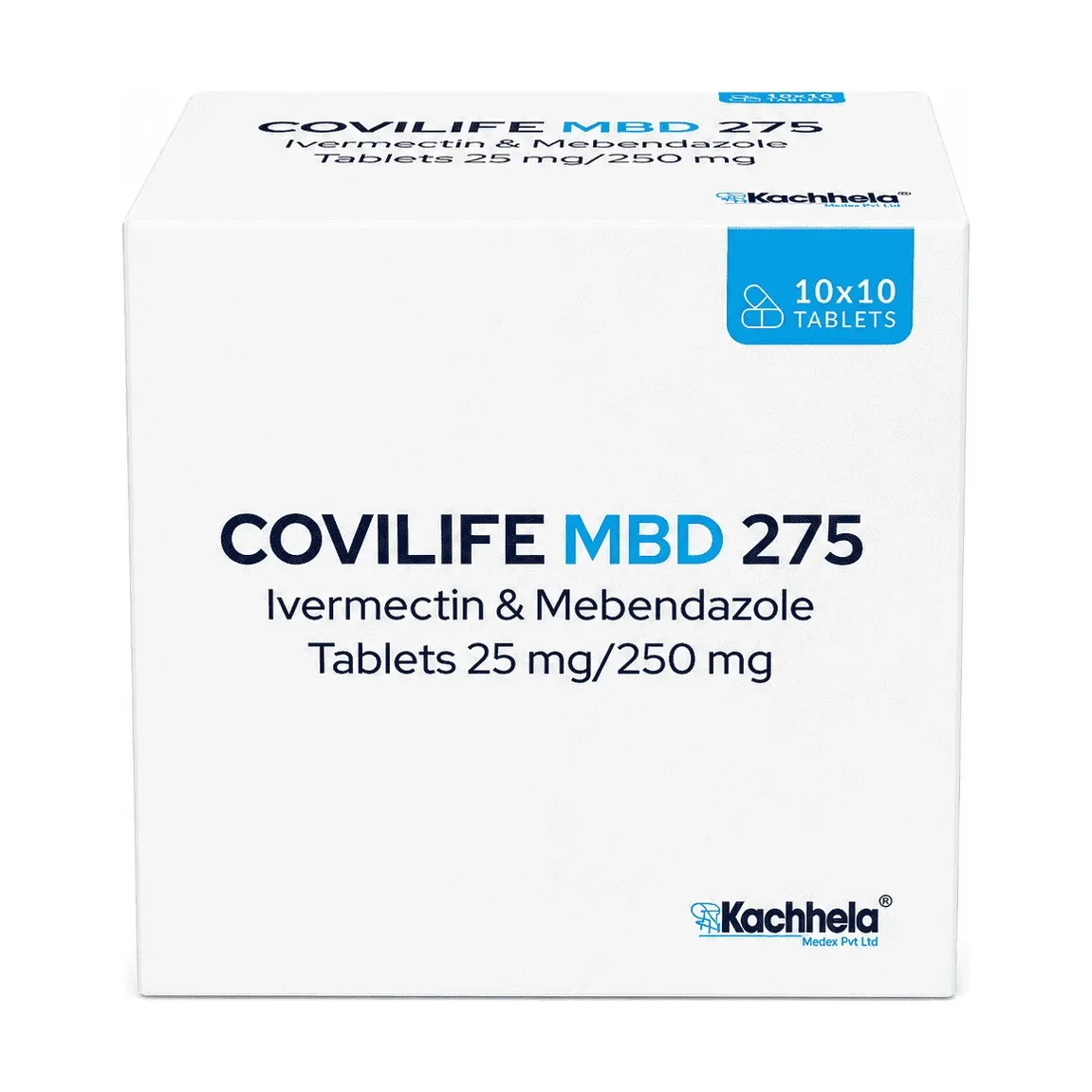
Covilife MBD
Covilife MBD is a fixed-dose oral combination of ivermectin and mebendazole. The available evidence supports these ingredients as antiparasitic medicines used against certain helminth (worm) infections, but the exact approved status of this specific brand could not be verified from official regulatory sources.
Active Ingredient and Medicine Class
Ivermectin is a macrocyclic lactone anthelmintic. Mebendazole is a benzimidazole anthelmintic. Both act against parasitic worms, but they are not the same drug and are used for different parasite targets in human medicine.
Established Medical Uses
Ivermectin is established for infections such as onchocerciasis and strongyloidiasis, and is also used in some settings for lymphatic filariasis control. Mebendazole is established for intestinal nematode infections, including ascariasis, trichuriasis and hookworm infections. Combination use of ivermectin with a benzimidazole has been studied for soil-transmitted helminth infections, especially Trichuris trichiura, but this does not by itself confirm an approved indication for this specific product.
How It Works
Ivermectin acts on parasite nerve and muscle function by binding to glutamate-gated chloride channels in invertebrates, leading to paralysis and death of susceptible worms. Mebendazole interferes with microtubule formation in helminths, disrupting energy use and normal parasite survival.
Important Safety Information
Important precautions differ by ingredient. Mebendazole is generally avoided in the first trimester of pregnancy in standard references. Ivermectin has clinically important safety considerations in patients with heavy Loa loa infection, because serious neurologic reactions have been reported in that setting. Both medicines may interact with other drugs that affect metabolism or increase adverse effects, so official prescribing information should be checked before use.
Possible Side Effects
Reported adverse effects for these medicines include abdominal discomfort, nausea, vomiting, diarrhoea, headache, dizziness and rash. More serious reactions can include hypersensitivity reactions and neurologic effects, particularly in specific high-risk parasitic infections.
Scientific Evidence
Clinical and review evidence supports ivermectin and mebendazole as effective antiparasitic agents in appropriate infections. A recent systematic review and meta-analysis found ivermectin-benzimidazole combination therapy improved cure rates for Trichuris trichiura compared with some single-drug regimens, with no clear increase in common adverse events in the included trials.
Medical Information Notice
This page is an educational summary based on sources available at the time of review and does not replace the official patient leaflet or individual assessment by a qualified health professional.
Medical Sources
- FDA — STROMECTOL (ivermectin) Tablets, prescribing information
- DailyMed — Ivermectin tablet label
- Nejsum et al. — “Ivermectin-albendazole combination versus ivermectin or albendazole alone in soil transmitted helminthiasis: An updated systematic review and meta-analysis.” PubMed, 2025. PubMed article
- Gonzalez Canga et al. — “Ivermectin in human medicine, an overview of the current status of its clinical applications.” Current Pharmaceutical Design, 2008. PubMed article