
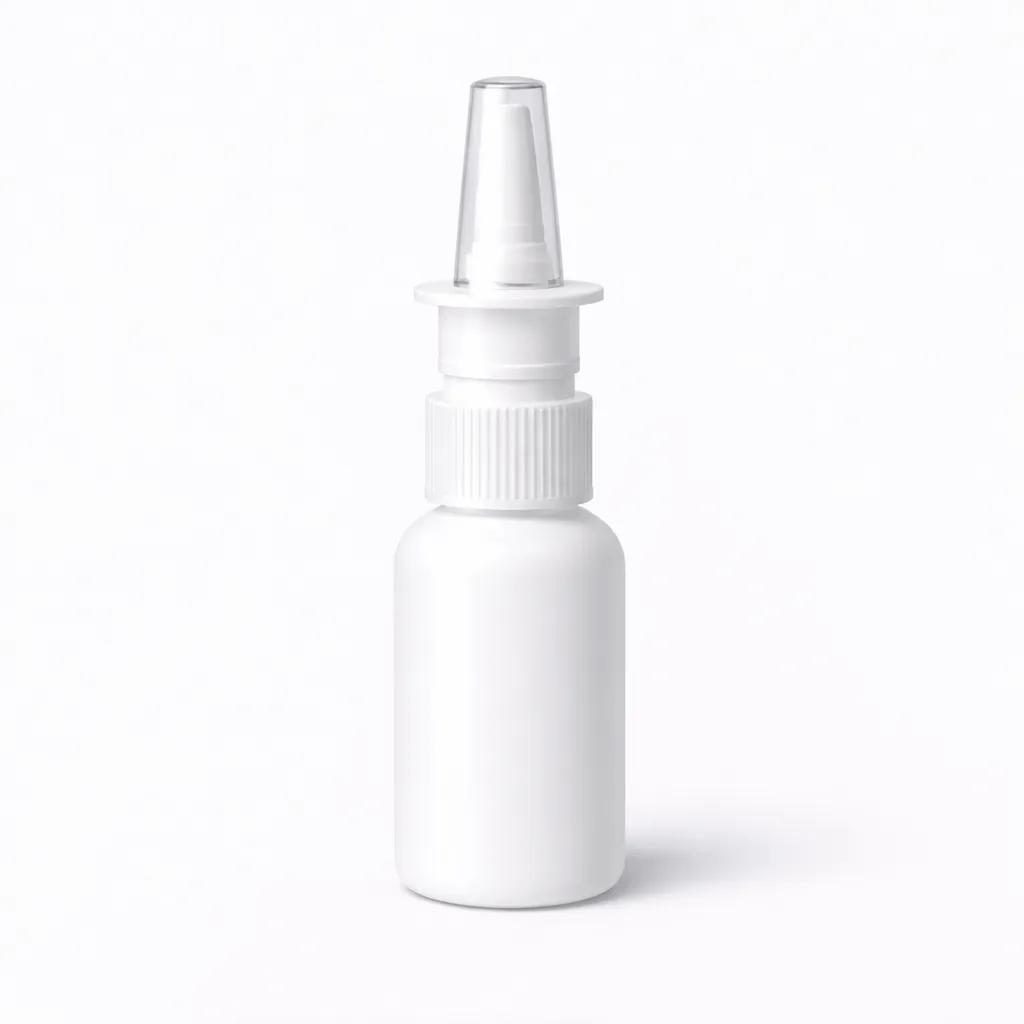
Description
D-PRESSIN NASAL SPRAY 10ML
Indications
D-PRESSIN nasal spray is primarily indicated for the management of conditions related to diabetes insipidus, a disorder characterized by an inability to concentrate urine due to insufficient levels of antidiuretic hormone (ADH). This condition leads to excessive urination and thirst. D-PRESSIN is also used in the treatment of nocturnal enuresis (bedwetting) in children, as it helps to reduce urine production during the night. Furthermore, it may be utilized in specific cases of hemophilia A and von Willebrand disease to promote hemostasis.
Mechanism of Action
The active ingredient in D-PRESSIN nasal spray is desmopressin, a synthetic analog of vasopressin (ADH). Desmopressin acts on the kidneys to enhance water reabsorption, thereby reducing urine output. It binds to the V2 receptors located in the renal collecting ducts, leading to increased permeability of the renal tubules to water. This mechanism results in concentrated urine and decreased urine volume. Additionally, desmopressin stimulates the release of factor VIII and von Willebrand factor from endothelial cells, which is beneficial in managing bleeding disorders.
Pharmacological Properties
Desmopressin exhibits a longer duration of action compared to natural vasopressin, making it a preferred choice in clinical settings. The pharmacokinetics of D-PRESSIN nasal spray indicate that it is rapidly absorbed through the nasal mucosa, with peak plasma concentrations typically achieved within 30 to 120 minutes post-administration. The elimination half-life of desmopressin is approximately 3 to 4 hours. The drug is primarily metabolized in the liver and excreted via the kidneys. Its efficacy and safety profile have been well-documented in various clinical studies.
Contraindications
D-PRESSIN nasal spray is contraindicated in individuals with known hypersensitivity to desmopressin or any of its components. It should also be avoided in patients with a history of hyponatremia or conditions that predispose them to fluid retention, such as congestive heart failure or renal impairment. Additionally, it is not recommended for use in patients with certain types of diabetes insipidus that are not responsive to desmopressin, such as nephrogenic diabetes insipidus.
Side Effects
Common side effects associated with D-PRESSIN nasal spray include headache, nasal congestion, and irritation at the site of administration. Other potential side effects may include abdominal pain, nausea, and flushing. Serious adverse effects, although rare, can occur, such as severe hyponatremia, which may lead to seizures or coma. Patients should be monitored for signs of fluid overload, especially in those with pre-existing cardiovascular or renal conditions.
Dosage and Administration
The recommended dosage of D-PRESSIN nasal spray varies based on the condition being treated. For the management of central diabetes insipidus, the typical starting dose is 10 to 20 micrograms administered intranasally once or twice daily, which may be adjusted based on the patient’s response and urine output. For nocturnal enuresis, a dose of 20 micrograms is often administered at bedtime. It is crucial to follow the prescribing physician’s instructions and not exceed the recommended dosage to minimize the risk of side effects.
Interactions
D-PRESSIN may interact with certain medications, particularly those that can affect sodium levels or fluid balance. Non-steroidal anti-inflammatory drugs (NSAIDs), diuretics, and certain antidepressants may potentiate the effects of desmopressin, increasing the risk of hyponatremia. Patients should inform their healthcare providers about all medications they are taking, including over-the-counter drugs and herbal supplements, to avoid potential interactions.
Precautions
Before initiating treatment with D-PRESSIN nasal spray, a thorough medical history should be obtained, and a physical examination should be conducted. Special caution should be exercised in patients with a history of cardiovascular disease, renal impairment, or electrolyte imbalances. Regular monitoring of serum sodium levels is recommended, particularly during the initial treatment phase or when adjusting the dosage. Patients should be advised to maintain adequate hydration but avoid excessive fluid intake to prevent dilutional hyponatremia.
Clinical Studies
Numerous clinical studies have evaluated the efficacy and safety of D-PRESSIN nasal spray. In a randomized controlled trial involving patients with central diabetes insipidus, desmopressin demonstrated significant reductions in urine output and improvements in quality of life compared to placebo. Another study assessing its use in children with nocturnal enuresis found that desmopressin significantly reduced the frequency of bedwetting episodes. These studies underscore the therapeutic benefits of D-PRESSIN while highlighting the importance of monitoring for potential adverse effects.
Conclusion
D-PRESSIN nasal spray is an effective treatment option for managing central diabetes insipidus and nocturnal enuresis. Its mechanism of action, pharmacological properties, and clinical efficacy have been well established through extensive research. However, it is essential for patients to use this medication responsibly under the guidance of a healthcare professional, considering the potential risks and side effects associated with its use. Regular monitoring and patient education are critical components of successful treatment with D-PRESSIN.
Important
It is essential to use D-PRESSIN nasal spray responsibly and under the supervision of a qualified healthcare professional. Patients should be aware of the potential side effects and interactions with other medications. Always follow the prescribed dosage and consult your healthcare provider if you have any concerns or experience adverse effects.

