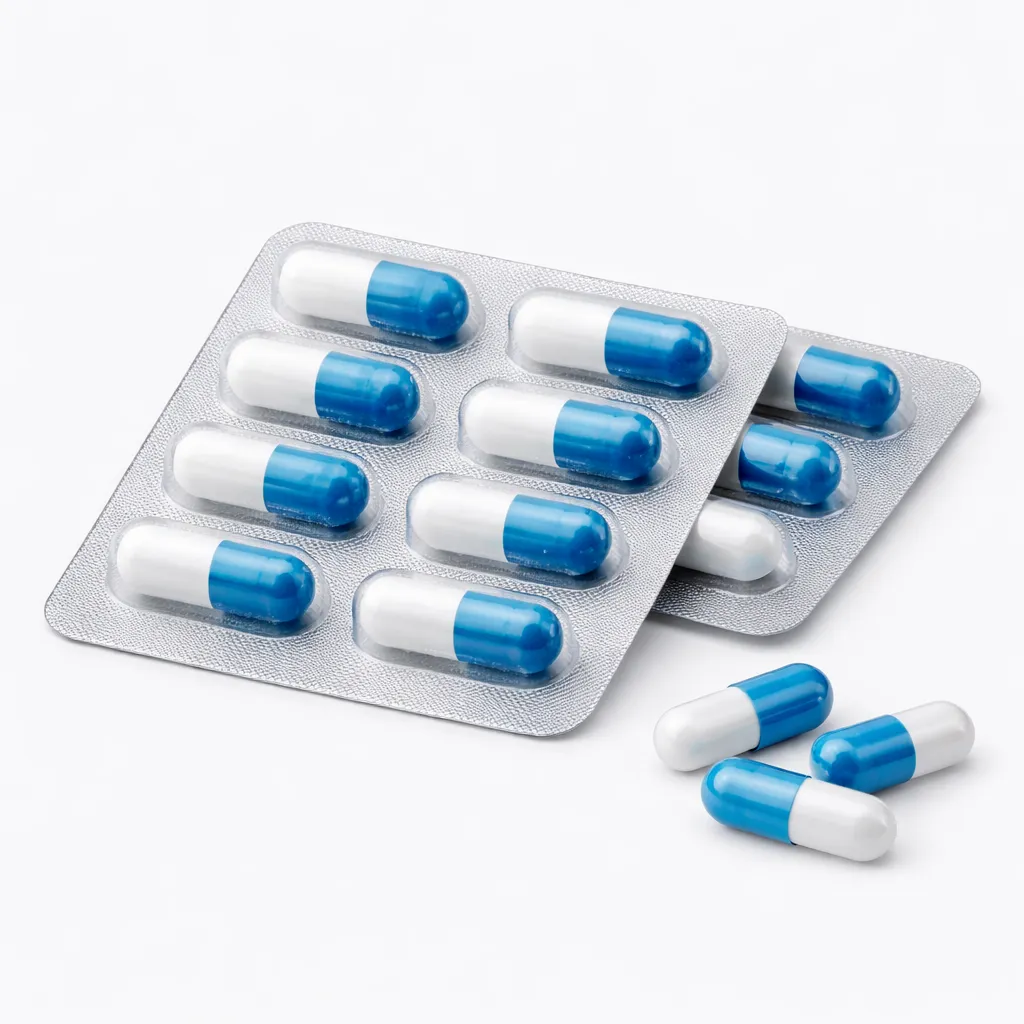
Description
DANABIX 10 MG
Indications
DANABIX 10 MG is primarily indicated for the prevention and treatment of thromboembolic disorders. It is commonly prescribed for patients who have undergone orthopedic surgeries, such as hip or knee replacement, to reduce the risk of deep vein thrombosis (DVT) and pulmonary embolism (PE). Additionally, DANABIX is used in patients with atrial fibrillation to prevent stroke and systemic embolism. Its efficacy in managing these conditions makes it a vital component in the therapeutic arsenal for anticoagulation therapy.
Mechanism of Action
The active ingredient in DANABIX 10 MG is dabigatran etexilate, a direct thrombin inhibitor. Dabigatran is converted to its active form, dabigatran, in the body, where it exerts its anticoagulant effects by specifically inhibiting thrombin, an enzyme critical for the conversion of fibrinogen to fibrin during the coagulation cascade. This inhibition prevents the formation of fibrin clots, thereby reducing the risk of thromboembolic events. Unlike traditional anticoagulants, dabigatran’s mechanism does not require monitoring of coagulation parameters, making it a convenient option for both patients and healthcare providers.
Pharmacological Properties
DANABIX 10 MG demonstrates a rapid onset of action, typically achieving peak plasma concentrations within 1 to 2 hours after oral administration. The bioavailability of dabigatran is approximately 6.5% to 7.5% when taken as a capsule, which is significantly affected by food intake. The drug is primarily excreted through the kidneys, with renal clearance accounting for about 80% of the elimination process. The half-life of dabigatran ranges from 12 to 17 hours, which supports its once or twice-daily dosing regimen. Furthermore, DANABIX does not interact with cytochrome P450 enzymes, reducing the potential for drug-drug interactions.
Contraindications
DANABIX 10 MG is contraindicated in patients with a known hypersensitivity to dabigatran or any of the excipients in the formulation. It should not be used in patients with active bleeding disorders, such as gastrointestinal bleeding or hemorrhagic stroke, as well as in those with severe renal impairment (creatinine clearance <30 mL/min). Additionally, it is contraindicated in patients with mechanical heart valves, as the safety and efficacy of dabigatran in this population have not been established.
Side Effects
Common side effects associated with DANABIX 10 MG include gastrointestinal disturbances such as dyspepsia, nausea, and abdominal pain. More serious but less common side effects include bleeding complications, such as hematoma, hematuria, and gastrointestinal bleeding, which may occur due to the anticoagulant effects of the medication. Patients should be monitored for signs of bleeding, and any unusual bruising or bleeding should be reported to a healthcare provider immediately. Other potential side effects may include headache, dizziness, and skin reactions, although these are generally rare.
Dosage and Administration
The recommended dosage of DANABIX 10 MG varies depending on the indication and patient-specific factors. For the prevention of DVT and PE following orthopedic surgery, the typical dose is 110 mg taken once on the first day, followed by 220 mg once daily. For patients with non-valvular atrial fibrillation, the standard dose is 150 mg taken twice daily. In cases of renal impairment, dose adjustments may be necessary, and it is crucial to assess renal function prior to initiation and periodically during treatment. DANABIX should be taken with or without food, but it is advisable to maintain a consistent routine to ensure optimal absorption.
Interactions
DANABIX 10 MG has a low potential for drug-drug interactions due to its unique metabolic pathway. However, caution should be exercised when co-administering with other anticoagulants, antiplatelet agents, or nonsteroidal anti-inflammatory drugs (NSAIDs), as these combinations may increase the risk of bleeding. Additionally, certain medications that affect renal function may alter the clearance of dabigatran, necessitating close monitoring of renal parameters. It is essential for healthcare providers to review a patient’s complete medication list before prescribing DANABIX to avoid potential interactions.
Precautions
Before initiating treatment with DANABIX 10 MG, a thorough assessment of the patient’s medical history is essential. Special precautions should be taken in patients with a history of gastrointestinal ulcers, recent surgery, or those at increased risk of bleeding. Regular monitoring of renal function is recommended, especially in older adults or those with pre-existing renal impairment. Patients should be educated about the signs and symptoms of bleeding and advised to report any unusual occurrences promptly. Furthermore, discontinuation of DANABIX should be considered prior to any surgical procedures to minimize bleeding risks.
Clinical Studies
Numerous clinical studies have demonstrated the efficacy and safety of DANABIX 10 MG in various patient populations. In pivotal trials, dabigatran has been shown to be as effective as warfarin for the prevention of stroke and systemic embolism in patients with non-valvular atrial fibrillation. Additionally, studies have indicated that DANABIX significantly reduces the incidence of DVT and PE following major orthopedic surgeries compared to placebo. The favorable safety profile, particularly regarding the lower incidence of intracranial hemorrhage compared to traditional anticoagulants, further supports its use in clinical practice. Ongoing research continues to explore the long-term effects and potential new indications for dabigatran.
Conclusion
DANABIX 10 MG is a valuable anticoagulant medication that offers effective prevention and treatment options for thromboembolic disorders. Its unique mechanism of action, favorable pharmacological properties, and established clinical efficacy make it a preferred choice in various patient populations. However, careful consideration of contraindications, potential side effects, and drug interactions is essential for safe and effective use. As with any medication, patient education and regular monitoring are critical components of successful therapy with DANABIX.
Important
It is essential to use DANABIX 10 MG responsibly and under the guidance of a qualified healthcare professional. Patients should adhere to prescribed dosages and report any adverse effects to their healthcare provider promptly.