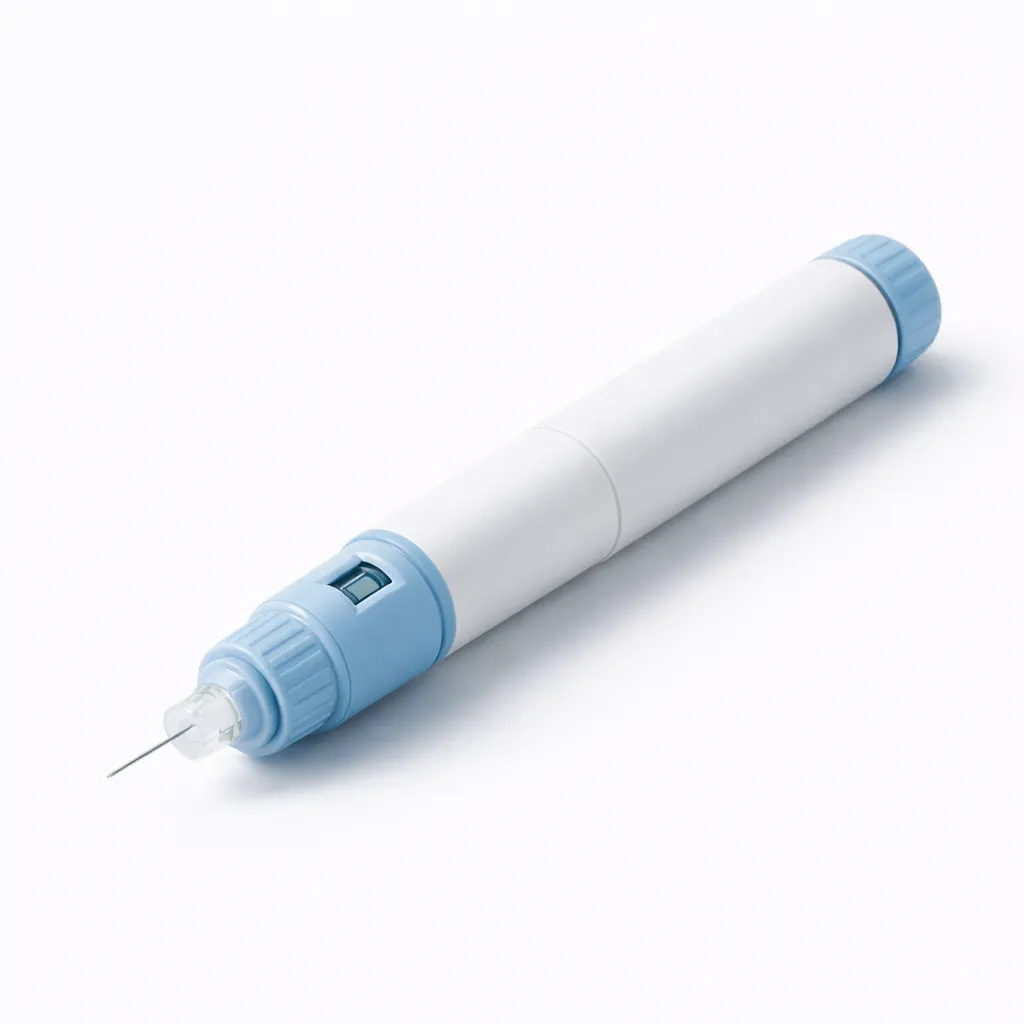
Description
DAPASMART M 10/1000 MG
Indications
DAPASMART M 10/1000 MG is primarily indicated for the management of type 2 diabetes mellitus. It is used to improve glycemic control in adults alongside a proper diet and exercise regimen. The formulation combines two active ingredients, dapagliflozin and metformin, which work synergistically to enhance blood sugar regulation. The medication may also be indicated for patients with cardiovascular risk factors, as it has shown potential benefits in reducing cardiovascular events in certain populations.
Mechanism of Action
The pharmacological action of DAPASMART M 10/1000 MG is attributed to its two components: dapagliflozin and metformin. Dapagliflozin is a sodium-glucose co-transporter 2 (SGLT2) inhibitor that reduces glucose reabsorption in the kidneys, leading to increased glucose excretion in urine. This action lowers blood glucose levels and helps to alleviate hyperglycemia.
Metformin, on the other hand, primarily works by decreasing hepatic glucose production and improving insulin sensitivity in peripheral tissues. It enhances glucose uptake and utilization by muscle cells, thereby contributing to better glycemic control. The combination of these two mechanisms allows for a more effective approach to managing diabetes.
Pharmacological Properties
DAPASMART M 10/1000 MG exhibits favorable pharmacokinetic properties. Dapagliflozin is rapidly absorbed after oral administration, with peak plasma concentrations occurring within 1 hour. It has a bioavailability of approximately 78% and is primarily eliminated via the urine. The half-life of dapagliflozin is around 12.4 hours, allowing for once-daily dosing.
Metformin is also well absorbed, with peak plasma concentrations reached within 2 to 3 hours. It has a bioavailability of approximately 50-60% when taken with food. Metformin is excreted unchanged in the urine, with a half-life of about 6.2 hours. The pharmacokinetic profiles of both drugs support their combination in a single formulation, providing a convenient dosing regimen for patients.
Contraindications
DAPASMART M 10/1000 MG is contraindicated in patients with a known hypersensitivity to either dapagliflozin or metformin. It should not be used in individuals with severe renal impairment (eGFR < 30 mL/min), acute or chronic metabolic acidosis, including diabetic ketoacidosis, or in patients with a history of lactic acidosis. Additionally, it is contraindicated during pregnancy and lactation due to potential risks to the fetus or nursing infant.
Side Effects
The use of DAPASMART M 10/1000 MG may be associated with several side effects. Common adverse reactions include urinary tract infections, genital mycotic infections, nausea, diarrhea, and abdominal discomfort. Rare but serious side effects include lactic acidosis, particularly in patients with renal impairment or other risk factors.
Patients should be monitored for signs of dehydration, especially in those taking diuretics or with concurrent illnesses that may affect renal function. Other potential side effects include hypoglycemia, though this is less common when DAPASMART M is used alone compared to other antidiabetic agents.
Dosage and Administration
The recommended starting dose of DAPASMART M 10/1000 MG is one tablet taken orally once daily, preferably with the evening meal to reduce gastrointestinal side effects. The dosage may be adjusted based on the patient’s glycemic control and tolerability, with a maximum recommended dose of 10 mg of dapagliflozin and 2000 mg of metformin per day.
It is essential for healthcare providers to assess renal function before initiating therapy and periodically thereafter. Adjustments may be necessary for patients with declining renal function to minimize the risk of lactic acidosis and other complications.
Interactions
DAPASMART M 10/1000 MG may interact with other medications, which can affect its efficacy and safety profile. Caution is advised when co-administering with diuretics, as they may increase the risk of dehydration and renal impairment. Additionally, medications that affect renal function, such as NSAIDs and ACE inhibitors, should be used with caution.
Other antidiabetic medications, particularly those that can cause hypoglycemia, may have additive effects when used in conjunction with DAPASMART M. Therefore, careful monitoring of blood glucose levels is recommended when initiating or adjusting therapy.
Precautions
Patients should be counseled on the importance of adhering to prescribed doses and monitoring their blood glucose levels regularly. It is crucial to inform healthcare providers of any pre-existing conditions, such as renal impairment, liver disease, or a history of pancreatitis, as these may influence treatment decisions.
Patients should also be advised to maintain adequate hydration, especially during hot weather or when engaging in vigorous exercise, to reduce the risk of dehydration and associated complications. Regular follow-up appointments are essential to monitor the patient’s response to therapy and adjust treatment as necessary.
Clinical Studies
Clinical studies have demonstrated the efficacy of DAPASMART M 10/1000 MG in improving glycemic control in patients with type 2 diabetes. In a randomized controlled trial, patients receiving the combination therapy showed significant reductions in HbA1c levels compared to those receiving metformin alone. Additionally, the combination therapy was associated with a lower incidence of hypoglycemia and weight gain compared to other antidiabetic agents.
Furthermore, studies have suggested that dapagliflozin may provide cardiovascular benefits, reducing the risk of major adverse cardiovascular events in patients with established cardiovascular disease or multiple cardiovascular risk factors. These findings support the use of DAPASMART M as a valuable therapeutic option in the management of type 2 diabetes, particularly in patients at risk for cardiovascular complications.
Conclusion
DAPASMART M 10/1000 MG is an effective medication for the management of type 2 diabetes mellitus, combining the benefits of dapagliflozin and metformin. Its dual mechanism of action provides a comprehensive approach to glycemic control, while its favorable safety profile makes it a suitable choice for many patients. As with any medication, proper patient selection, monitoring, and education are essential to optimize therapeutic outcomes and minimize risks.
Important
It is crucial to use DAPASMART M 10/1000 MG responsibly and under the guidance of a healthcare professional. Patients should be aware of potential side effects and interactions with other medications. Regular monitoring and follow-up appointments are essential to ensure the safe and effective use of this medication.