Description
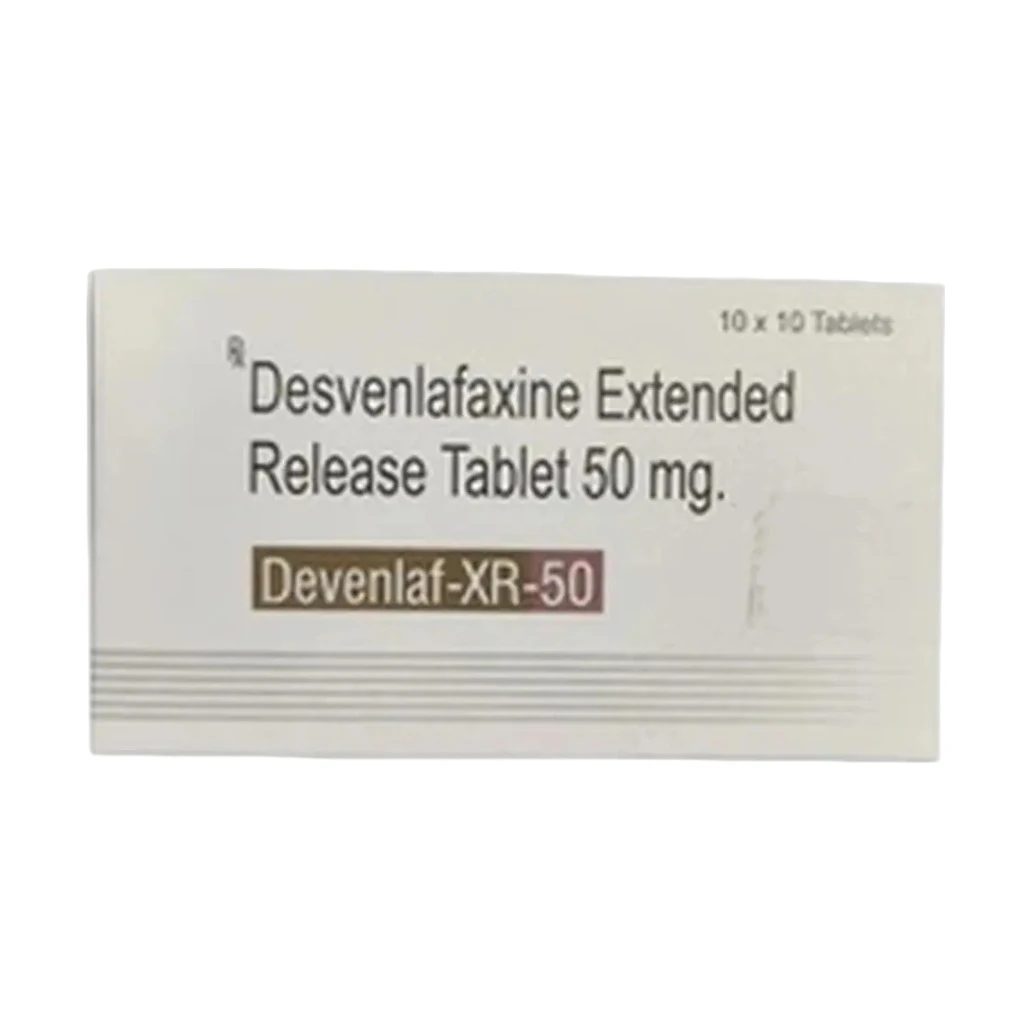
Devenlaf XR (Desvenlafaxine) 50 mg
Devenlaf XR 50 mg is an extended-release oral antidepressant containing desvenlafaxine. It belongs to the serotonin and norepinephrine reuptake inhibitor, or SNRI, class. The product is used primarily in adults for the treatment of major depressive disorder.
Active Ingredient and Medicine Class
The verified active ingredient is desvenlafaxine, presented in an extended-release tablet form. Desvenlafaxine is an SNRI antidepressant and is the major active metabolite of venlafaxine. Medicines in this class increase signaling by serotonin and norepinephrine in the central nervous system by reducing their reuptake.
Established Medical Uses
Established prescribing information supports use in major depressive disorder in adults. The available regulatory information does not establish this medicine as approved for all mood-related conditions, and it should not be assumed to have broader indications unless confirmed by the official product information for the specific market.
How It Works
Desvenlafaxine helps reduce the reuptake of serotonin and norepinephrine in the brain. By increasing the availability of these neurotransmitters at nerve junctions, it may help improve symptoms of depression. The extended-release formulation is designed to release the active ingredient gradually over time.
Important Safety Information
Important contraindications and precautions include hypersensitivity to desvenlafaxine, venlafaxine, or tablet excipients; and the use of monoamine oxidase inhibitors, including recent use of psychiatric MAOIs, linezolid, or intravenous methylene blue. Desvenlafaxine may increase the risk of serotonin syndrome, especially when combined with other serotonergic medicines such as certain antidepressants, triptans, tramadol, fentanyl, lithium, methadone, buspirone, amphetamines, and St John’s wort.
Other clinically important precautions include elevated blood pressure, increased bleeding risk when combined with aspirin, NSAIDs, warfarin, or other anticoagulants, angle-closure glaucoma, mania or hypomania in susceptible patients, seizures, and hyponatremia, particularly in older adults or patients taking diuretics. Abrupt discontinuation can cause withdrawal-like symptoms, so prescribers generally manage stopping carefully.
Possible Side Effects
The most commonly reported adverse reactions include nausea, dizziness, insomnia, increased sweating, constipation, somnolence, decreased appetite, anxiety, and certain sexual function disorders. Less common but serious reactions can include serotonin syndrome, clinically significant blood pressure increases, abnormal bleeding, low sodium, seizure, and eye symptoms related to angle-closure glaucoma.
Scientific Evidence
Clinical studies and reviews support desvenlafaxine as an effective antidepressant for adult major depressive disorder. Published trial reviews report symptom improvement versus placebo, with the 50 mg dose often discussed as the standard therapeutic dose. Reviews also note that higher doses have not consistently shown added benefit, while adverse effects tend to increase with greater exposure. Overall, the evidence base supports its established antidepressant role, but tolerability and drug-interaction risk remain important considerations.
Medical Information Notice
This summary is based on official prescribing information and selected peer-reviewed literature available at the time of review. It is for educational use only and does not replace the official patient leaflet or individual assessment by a qualified healthcare professional.
Medical Sources
- U.S. Food and Drug Administration. Desvenlafaxine extended-release tablets, prescribing information
- DailyMed / National Library of Medicine. Desvenlafaxine extended-release tablets, official drug label
- Michael R. Liebowitz et al. Efficacy, safety, and tolerability of Desvenlafaxine 50 mg/d for the treatment of major depressive disorder: a systematic review of clinical trials. Prim Care Companion J Clin Psychiatry, 2010. View scientific article
- Sujana Reddy et al. Clinical utility of desvenlafaxine 50 mg/d for treating MDD: a review of two randomized placebo-controlled trials for the practicing physician. Current Medical Research and Opinion, 2010. View scientific article