
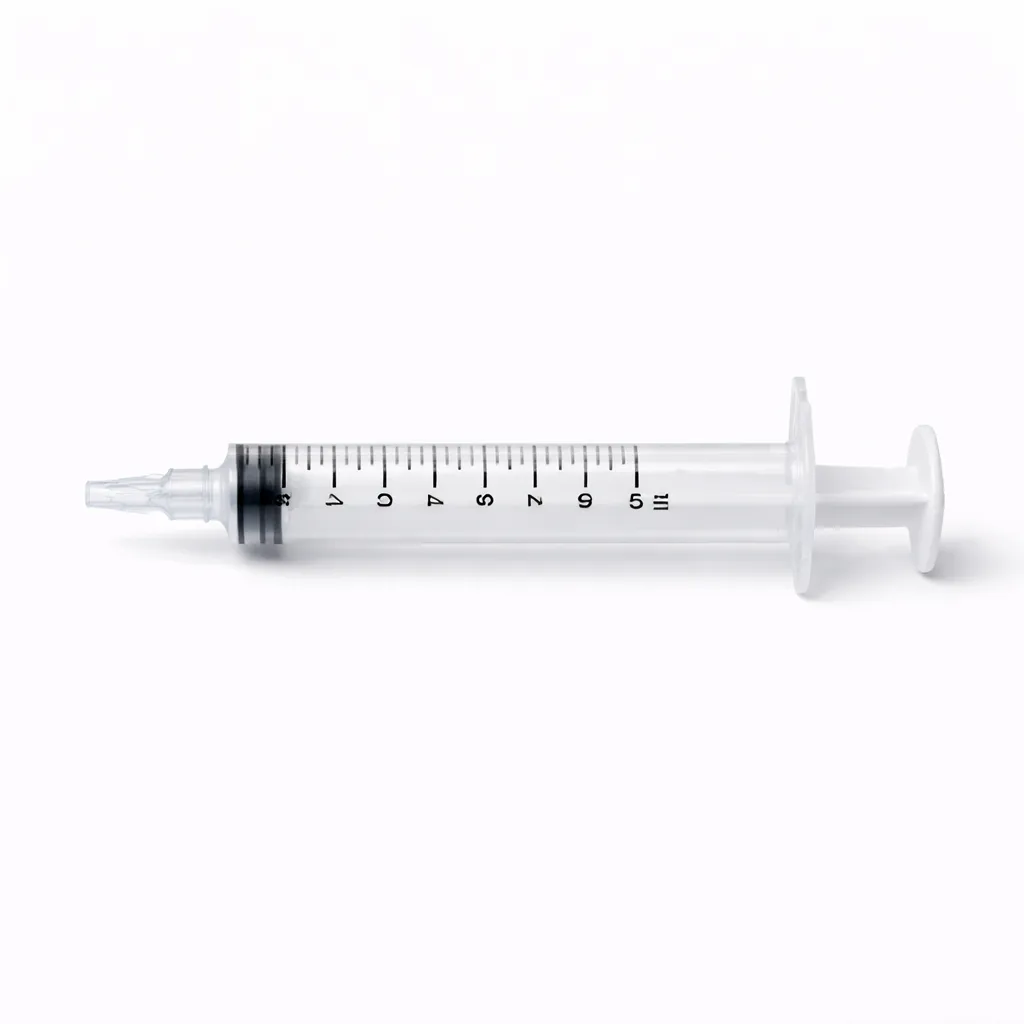
Description
DEXTROSE 25% IV 100ML
Indications
DEXTROSE 25% IV (intravenous) is primarily indicated for the treatment of hypoglycemia, which is a condition characterized by abnormally low blood glucose levels. It is often used in emergency situations where rapid elevation of blood glucose is required. Additionally, DEXTROSE 25% can be utilized as a source of calories in patients who are unable to consume food orally, particularly in those with conditions that impair their ability to eat or absorb nutrients. This solution may also be used in conjunction with other medications that require dilution or as a vehicle for intravenous drug administration.
Mechanism of Action
DEXTROSE is a simple sugar that serves as a primary source of energy for the body’s cells. Upon administration, DEXTROSE 25% is rapidly absorbed into the bloodstream, leading to an increase in blood glucose levels. This quick elevation in glucose concentration provides immediate energy for cellular metabolism. The mechanism involves the transport of glucose across cell membranes via glucose transporters, which facilitate its uptake by various tissues, especially muscle and adipose tissues. This action not only restores normal blood glucose levels but also aids in the prevention of complications associated with hypoglycemia.
Pharmacological Properties
DEXTROSE 25% IV is a hypertonic solution, meaning it has a higher osmolarity compared to blood plasma. This property allows it to draw water into the bloodstream, which can be beneficial in certain clinical scenarios. The pharmacokinetics of DEXTROSE involve rapid distribution in the bloodstream, with peak plasma glucose levels typically occurring within minutes of administration. The half-life of DEXTROSE is short, as it is quickly utilized by the body’s cells or converted to glycogen for storage in the liver and muscles. Additionally, DEXTROSE is metabolized primarily in the liver, where it can be converted into other forms of energy as needed by the body.
Contraindications
DEXTROSE 25% IV should not be administered to patients with known hypersensitivity to DEXTROSE or any of the components of the formulation. It is also contraindicated in individuals with conditions such as hyperglycemia, diabetic coma, or severe dehydration without concurrent fluid replacement. Caution should be exercised in patients with renal impairment, as they may have difficulty excreting excess glucose. Furthermore, DEXTROSE should not be used in patients with conditions that predispose them to fluid overload, such as congestive heart failure or renal failure.
Side Effects
While DEXTROSE 25% IV is generally well-tolerated, some patients may experience side effects. Common side effects include hyperglycemia, which can occur if the dosage exceeds the body’s ability to utilize or store glucose. Other potential side effects may include phlebitis or thrombosis at the injection site, fluid overload, and electrolyte imbalances. In rare instances, allergic reactions may occur, presenting as rash, itching, or difficulty breathing. It is essential for healthcare providers to monitor patients for any adverse effects following administration.
Dosage and Administration
The dosage of DEXTROSE 25% IV is determined by the severity of the patient’s condition and their individual response to treatment. For the treatment of hypoglycemia, a typical adult dose may range from 25 to 50 mL administered intravenously, with repeat doses as necessary based on blood glucose monitoring. In cases where DEXTROSE is used as a caloric supplement, the dosage should be calculated based on the patient’s nutritional needs. It is crucial to administer DEXTROSE 25% IV slowly to avoid rapid fluctuations in blood glucose levels, and continuous monitoring of blood glucose is recommended during and after administration.
Interactions
DEXTROSE 25% IV may interact with various medications, particularly those that affect glucose metabolism. Insulin, for example, may require dosage adjustments when DEXTROSE is administered, as the increase in blood glucose levels may necessitate increased insulin to maintain glycemic control. Additionally, certain medications, such as corticosteroids, can exacerbate hyperglycemia, and their use in conjunction with DEXTROSE should be closely monitored. It is essential for healthcare providers to review a patient’s complete medication list to identify any potential interactions prior to administration.
Precautions
Before administering DEXTROSE 25% IV, healthcare providers should conduct a thorough assessment of the patient’s medical history, including any history of diabetes, renal impairment, or cardiovascular disease. Regular monitoring of blood glucose levels is critical to ensure that the patient does not develop hyperglycemia. Furthermore, patients should be monitored for signs of fluid overload, particularly in those with compromised cardiac or renal function. It is also important to ensure that the solution is clear and free from particulate matter prior to administration, as any contamination could pose a risk to the patient.
Clinical Studies
Clinical studies have demonstrated the efficacy of DEXTROSE 25% IV in rapidly correcting hypoglycemia. Research indicates that intravenous administration of DEXTROSE can restore normal blood glucose levels within minutes, significantly reducing the risk of complications associated with severe hypoglycemia, such as seizures or loss of consciousness. Additionally, studies have shown that hypertonic DEXTROSE solutions can be effective in providing caloric support in patients unable to consume food orally, highlighting its role in critical care settings. Ongoing research continues to explore the optimal use of DEXTROSE in various clinical scenarios, including its potential applications in managing other metabolic disorders.
Conclusion
DEXTROSE 25% IV 100ML is a vital therapeutic option for the rapid management of hypoglycemia and as a source of calories in patients with impaired nutritional intake. Its mechanism of action, pharmacological properties, and clinical efficacy make it an essential tool in emergency and critical care settings. However, careful consideration of contraindications, potential side effects, and interactions is necessary to ensure safe and effective use. Healthcare providers must remain vigilant in monitoring patients receiving DEXTROSE 25% IV to mitigate any risks associated with its administration.
Important
It is essential to use DEXTROSE 25% IV responsibly and under the supervision of qualified healthcare professionals. Always follow prescribed dosages and monitor for any adverse effects during treatment.
