Description
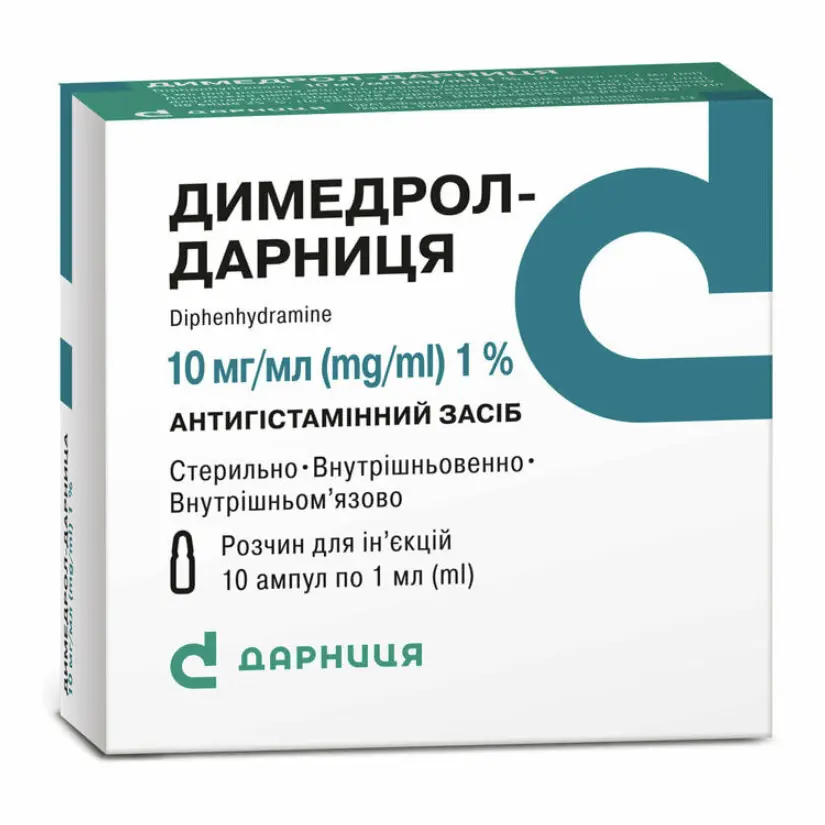
Dimedrol (Diphenhydramine) Injection 10 mg/mL (1%)
Dimedrol (international nonproprietary name: diphenhydramine hydrochloride) is a first-generation antihistamine widely used in clinical practice for the treatment of allergic conditions, hypersensitivity reactions, and certain neurological and vestibular disorders. The injectable form, typically available as 10 mg/mL (1%) solution in ampoules, is intended for parenteral administration when rapid onset of action is required or when oral administration is not feasible.
Diphenhydramine belongs to the class of H1 receptor antagonists and exerts additional anticholinergic, sedative, and antiemetic effects. Due to its pharmacological profile, it is commonly used in emergency medicine, perioperative care, and hospital settings.
Pharmacological Properties
Mechanism of Action
Diphenhydramine acts as a competitive antagonist of histamine at H1 receptors. By blocking histamine activity, it reduces symptoms such as itching, swelling, vasodilation, and bronchoconstriction. Additionally, it has significant anticholinergic effects due to muscarinic receptor antagonism, which contributes to its drying and sedative properties.
The drug also penetrates the central nervous system, producing sedation and anxiolysis, which differentiates it from second-generation antihistamines.
Pharmacokinetics
- Onset of action: 10–30 minutes (IV administration)
- Peak effect: approximately 1–2 hours
- Half-life: 3.4 to 9.2 hours
(https://www.sciencedirect.com/topics/medicine-and-dentistry/diphenhydramine) - Metabolism: hepatic (cytochrome P450 system)
- Excretion: renal, mainly as metabolites
Composition and Formulation
The injectable form of Dimedrol is typically supplied as:
- Active substance: Diphenhydramine hydrochloride 10 mg/mL
- Concentration: 1% solution
- Presentation: Ampoules (usually 1 mL or 2 mL)
- Package size: 10 ampoules per box
Indications for Use
Dimedrol injection is indicated in the following conditions:
Allergic Conditions
- Urticaria (hives)
- Angioedema
- Allergic rhinitis
- Drug-induced allergic reactions
- Insect bites and stings
Diphenhydramine effectively reduces symptoms such as itching, redness, and swelling by inhibiting histamine-mediated responses.
(https://www.sciencedirect.com/science/article/pii/S193945512500002X)
Anaphylaxis (Adjunct Therapy)
It is used as an adjunct to epinephrine in anaphylaxis but should never replace primary treatment.
Motion Sickness and Vertigo
Due to its anticholinergic properties, diphenhydramine is effective in managing motion sickness and vestibular disturbances.
Extrapyramidal Symptoms
Used in the management of drug-induced dystonia and extrapyramidal reactions.
Insomnia and Sedation
Its sedative effects make it useful in short-term management of sleep disturbances.
Dosage and Administration
Administration routes include intravenous (IV) and intramuscular (IM) injection.
Adults
- 10–50 mg per dose
- Maximum daily dose: 400 mg
Children
- 5 mg/kg/day divided into multiple doses
Important Administration Notes
- Administer IV slowly to avoid hypotension or cardiovascular complications
- Avoid subcutaneous or intradermal injection due to risk of tissue necrosis
Clinical Efficacy
Diphenhydramine has demonstrated effectiveness in managing allergic and vestibular conditions. A randomized clinical trial showed that intravenous diphenhydramine provides measurable symptom relief in acute peripheral vertigo, although sedation is a common side effect.
Additionally, studies confirm its widespread use in preventing infusion-related hypersensitivity reactions in clinical settings.
Safety and Adverse Effects
Common Side Effects
- Drowsiness and sedation
- Dizziness
- Dry mouth (xerostomia)
- Blurred vision
Anticholinergic Effects
- Urinary retention
- Constipation
- Tachycardia
Central Nervous System Effects
- Confusion
- Agitation (especially in elderly patients)
- Psychomotor impairment
These effects are due to central H1 blockade and antimuscarinic activity.
(https://nhia.org/a-10-year-retrospective-pilot-study-of-parenteral-diphenhydramine-use-in-home-infusion-patients/)
Cardiovascular Effects
Possible hypotension, palpitations, and rare arrhythmias have been reported.
Contraindications
- Hypersensitivity to diphenhydramine
- Neonates and premature infants
- Breastfeeding
- Acute asthma attacks (caution advised)
Drug Interactions
- Alcohol: enhances sedation
- CNS depressants: increased risk of respiratory depression
- MAO inhibitors: intensify anticholinergic effects
Precautions and Warnings
- Use with caution in elderly patients due to increased sensitivity
- Avoid driving or operating machinery after administration
- Monitor cardiovascular status during IV use
Storage Conditions
- Store at temperatures below 25°C
- Protect from light
- Keep out of reach of children
Scientific References
Frequently Asked Questions (FAQ)
1. What is Dimedrol injection used for?
It is primarily used to treat allergic reactions, motion sickness, and certain neurological symptoms such as dystonia.
2. How quickly does diphenhydramine injection work?
It typically begins to act within 10–30 minutes when administered intravenously.
3. Can it be used alone in anaphylaxis?
No. It must be used only as an adjunct to epinephrine.
4. Is sedation a normal effect?
Yes. Sedation is one of the most common effects due to central nervous system activity.
5. Is it safe for elderly patients?
Use with caution, as older adults are more susceptible to confusion and anticholinergic side effects.
6. Can it be administered rapidly IV?
No. Rapid administration may cause serious cardiovascular complications.
Reviews
There are no reviews yet.