Description
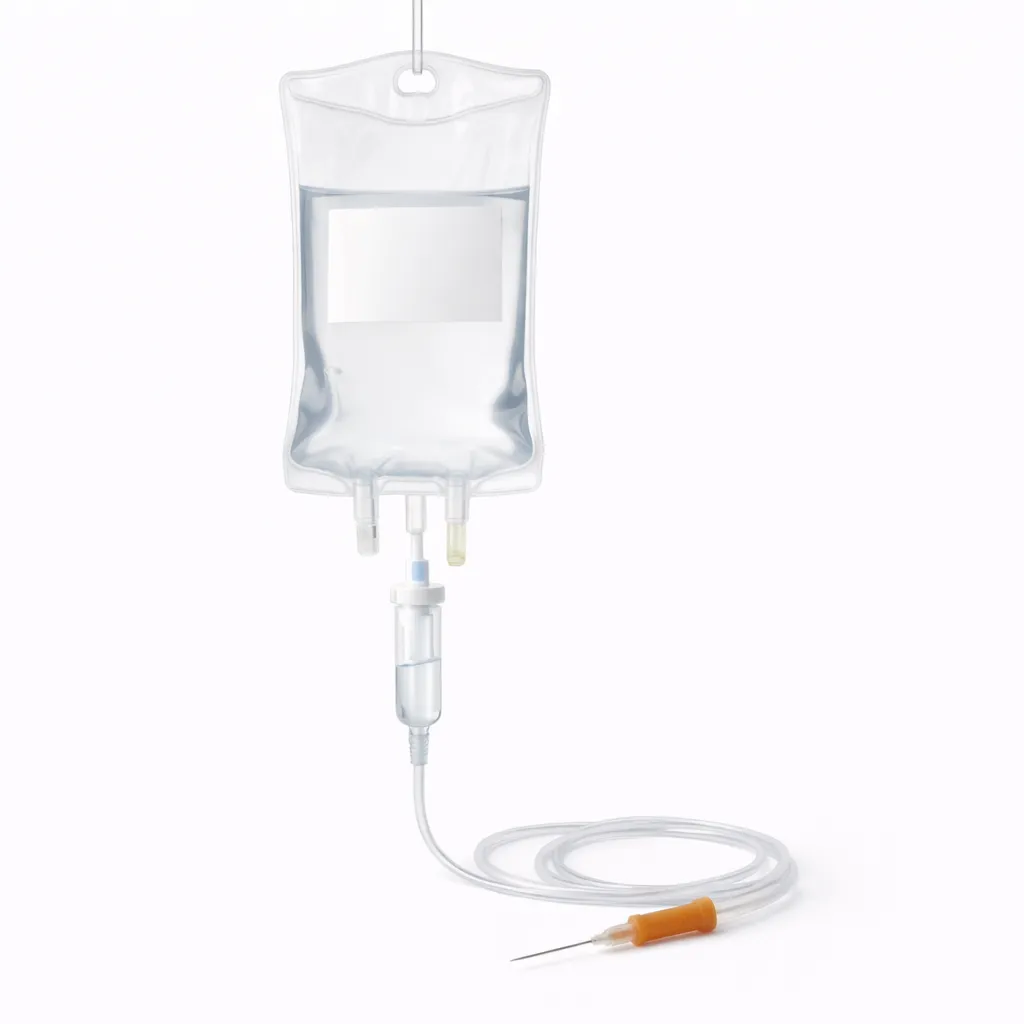
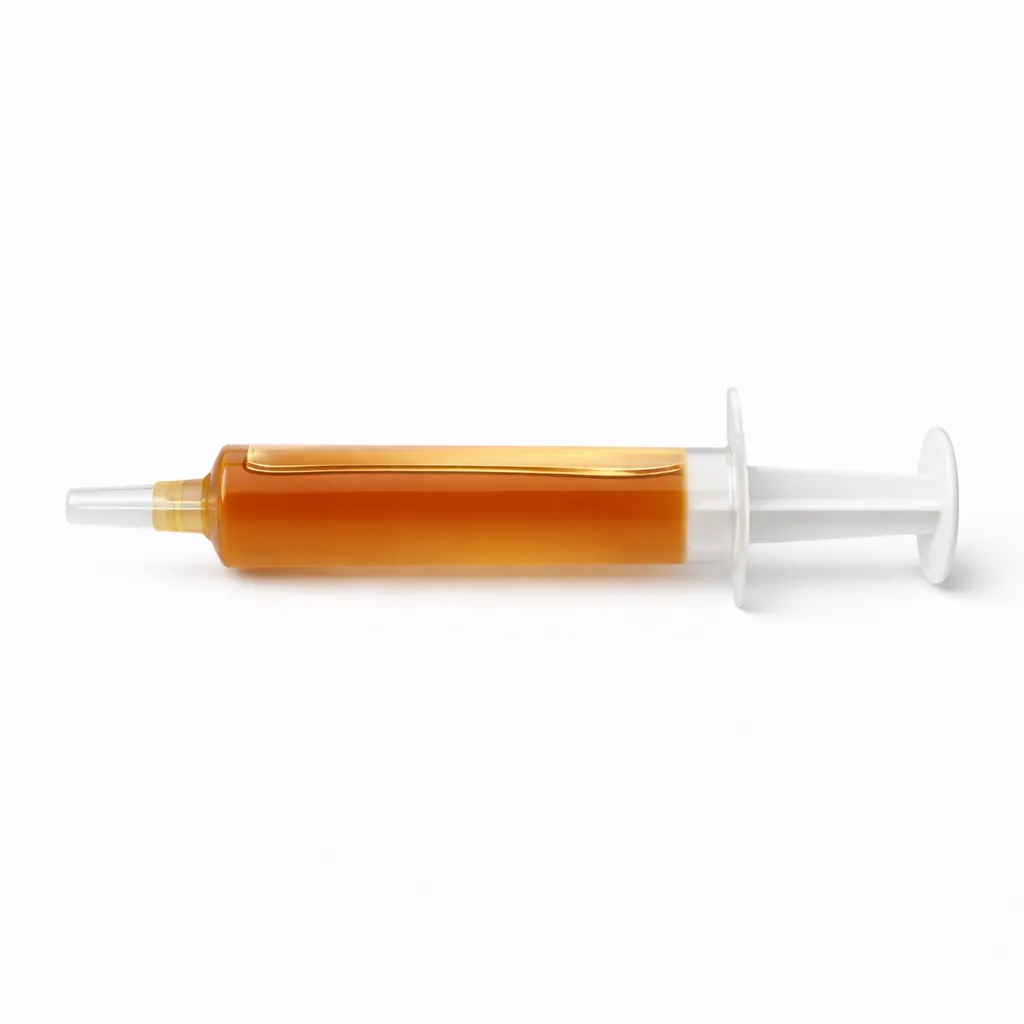
DISPOVAN SYRING 2ML
Indications
DISPOVAN SYRING 2ML, containing the active ingredient propofol, is primarily indicated for the induction and maintenance of general anesthesia in adults and pediatric patients. It is also utilized for sedation in mechanically ventilated adults in an intensive care setting. Additionally, DISPOVAN can be used for procedural sedation in various medical procedures, allowing for a rapid onset of sedation with a quick recovery time.
Mechanism of Action
Propofol, the active component of DISPOVAN, acts as a short-acting anesthetic agent. Its mechanism of action involves the enhancement of gamma-aminobutyric acid (GABA) receptor activity, which leads to increased inhibitory neurotransmission in the central nervous system. This results in sedation, hypnosis, and anesthesia. Propofol has a rapid onset of action, typically within 30 seconds, and a short duration of effect, allowing for precise control over sedation levels.
Pharmacological Properties
DISPOVAN is characterized by its unique pharmacokinetic properties. Propofol is highly lipophilic, which allows for rapid distribution to various tissues, particularly the brain. The drug is metabolized primarily in the liver through conjugation and oxidation, with metabolites excreted via urine. The elimination half-life of propofol is approximately 1 to 3 hours, depending on the dosage and individual patient factors. The drug’s rapid clearance contributes to its suitability for outpatient procedures, as patients typically recover quickly from its effects.
Contraindications
DISPOVAN SYRING 2ML is contraindicated in patients with a known hypersensitivity to propofol or any of its components, including egg lecithin and soybean oil. It should also be avoided in individuals with a history of severe respiratory depression, particularly in patients with compromised airway reflexes. Additionally, caution is advised in patients with cardiovascular instability, as propofol can cause hypotension and bradycardia.
Side Effects
The use of DISPOVAN may be associated with several side effects, although many patients tolerate it well. Common side effects include hypotension, bradycardia, and respiratory depression. Other potential adverse reactions may include injection site pain, allergic reactions, and transient apnea. In rare cases, propofol can lead to a serious condition known as propofol infusion syndrome, characterized by metabolic acidosis, cardiac failure, and rhabdomyolysis, particularly when administered in high doses over prolonged periods.
Dosage and Administration
The administration of DISPOVAN should be conducted by trained healthcare professionals in a controlled environment. For induction of anesthesia in adults, the recommended initial dose is typically 1 to 2.5 mg/kg administered intravenously. Maintenance doses may vary, usually ranging from 4 to 12 mg/kg/hr, depending on the patient’s response and the desired depth of anesthesia. For sedation in mechanically ventilated patients, the infusion rate is generally adjusted to maintain the desired level of sedation, often starting at 0.3 to 0.6 mg/kg/hr.
Interactions
DISPOVAN may interact with various medications, potentially altering its effects or increasing the risk of adverse reactions. Co-administration with other central nervous system depressants, such as opioids or benzodiazepines, can enhance sedative effects and respiratory depression. It is essential to review a patient’s complete medication history before administering DISPOVAN to identify any potential interactions that may require dosage adjustments or close monitoring.
Precautions
Prior to administering DISPOVAN, healthcare providers should assess the patient’s medical history, including any history of cardiovascular disease, respiratory issues, or allergies. Continuous monitoring of vital signs, including blood pressure, heart rate, and oxygen saturation, is critical during and after administration. Patients should be observed for signs of adverse reactions, particularly during the recovery phase. It is also important to ensure that resuscitation equipment and personnel trained in advanced airway management are readily available during the procedure.
Clinical Studies
Numerous clinical studies have evaluated the efficacy and safety of DISPOVAN in various settings. Research indicates that propofol provides rapid induction and recovery times compared to traditional anesthetic agents, making it a preferred choice for outpatient procedures. Studies have also demonstrated its effectiveness in providing sedation for mechanically ventilated patients, with favorable outcomes regarding patient comfort and satisfaction. The safety profile of DISPOVAN has been well-established, with ongoing research focusing on optimizing dosing regimens and minimizing potential adverse effects.
Conclusion
DISPOVAN SYRING 2ML is a valuable anesthetic agent used for the induction and maintenance of general anesthesia and sedation in various medical settings. Its rapid onset, short duration, and favorable pharmacokinetic properties make it a preferred choice among healthcare professionals. However, careful consideration of contraindications, potential side effects, and interactions is essential to ensure patient safety and optimal outcomes. As with any medication, DISPOVAN should be administered by trained professionals in a controlled environment, with appropriate monitoring and support available.
Important
It is crucial to use DISPOVAN SYRING 2ML responsibly and under the supervision of qualified healthcare professionals. Misuse or improper administration can lead to serious health risks. Always follow medical guidelines and consult with healthcare providers for appropriate usage.