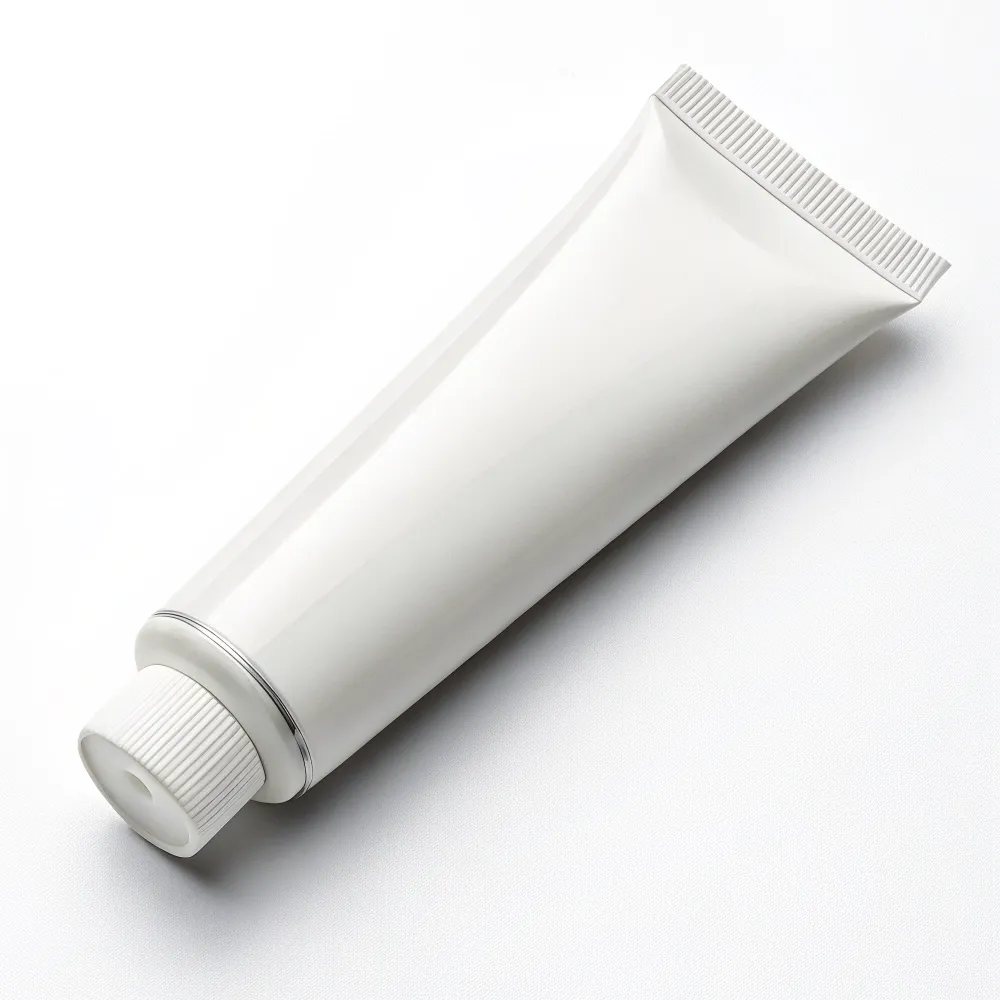
Description
DK GEL
Indications
DK GEL is a topical formulation primarily indicated for the management of various dermatological conditions, including but not limited to, psoriasis, eczema, and dermatitis. It is designed to alleviate symptoms such as inflammation, redness, and itching associated with these skin disorders. Additionally, DK GEL may be utilized as an adjunct therapy in the treatment of certain chronic skin conditions, providing symptomatic relief and improving the overall quality of life for patients.
Mechanism of Action
The active ingredients in DK GEL work synergistically to exert their therapeutic effects. The primary mechanism involves the modulation of inflammatory pathways in the skin. By inhibiting the release of pro-inflammatory cytokines and reducing keratinocyte proliferation, DK GEL helps to restore the normal skin barrier function. Furthermore, its emollient properties aid in moisturizing the skin, thereby reducing dryness and irritation. This dual action not only addresses the symptoms but also targets the underlying pathophysiological processes of the skin conditions it is intended to treat.
Pharmacological Properties
DK GEL is characterized by its unique formulation, which includes a combination of active and inactive ingredients that enhance its efficacy. The pharmacokinetics of DK GEL suggest minimal systemic absorption, making it a suitable option for localized treatment. The gel formulation allows for easy application and quick absorption, providing rapid relief from symptoms. Additionally, the product is designed to be non-comedogenic, ensuring that it does not clog pores or exacerbate existing skin conditions.
Contraindications
DK GEL is contraindicated in individuals with a known hypersensitivity to any of its components. Patients with open wounds, infected lesions, or severe skin conditions should avoid using this product unless directed by a healthcare professional. Furthermore, it is not recommended for use on mucous membranes or in the eye area. Caution should be exercised in patients with a history of allergic reactions to topical agents, as this may increase the risk of adverse effects.
Side Effects
While DK GEL is generally well-tolerated, some patients may experience mild side effects. Common side effects include localized irritation, burning sensation, or stinging at the application site. Rarely, allergic reactions such as rash, itching, or swelling may occur. If any severe adverse reactions are observed, it is imperative to discontinue use and consult a healthcare provider. Long-term use of topical agents can also lead to skin atrophy or other dermatological complications; therefore, it is essential to follow the recommended usage guidelines.
Dosage and Administration
The recommended dosage of DK GEL varies depending on the severity of the condition being treated. Typically, a thin layer of the gel should be applied to the affected area once or twice daily, as directed by a healthcare professional. It is important to gently massage the gel into the skin until fully absorbed. Patients are advised to wash their hands after application to prevent accidental contact with sensitive areas, such as the eyes or mucous membranes. The duration of treatment may vary based on individual response and should be determined by a healthcare provider.
Interactions
Currently, there are no well-documented drug interactions associated with DK GEL. However, patients should inform their healthcare provider of all medications, supplements, and topical products they are using to avoid potential interactions. It is particularly important to exercise caution when combining DK GEL with other topical agents, as this may increase the risk of skin irritation or reduce the effectiveness of the treatment.
Precautions
Before using DK GEL, patients should consult their healthcare provider, especially if they have a history of skin conditions or allergies. It is essential to perform a patch test prior to full application to ensure that no adverse reactions occur. Patients should also avoid exposing the treated area to excessive sunlight or artificial UV light, as this may exacerbate skin irritation. Pregnant or breastfeeding women should seek medical advice before using DK GEL to assess potential risks to the fetus or infant.
Clinical Studies
Clinical studies evaluating the efficacy and safety of DK GEL have demonstrated positive outcomes in the management of various skin conditions. In a randomized controlled trial, patients using DK GEL reported significant improvements in symptom severity and overall skin health compared to those receiving a placebo. The gel’s anti-inflammatory properties were highlighted as a key factor contributing to its effectiveness. Additional studies have shown that patients experienced a reduction in itching and redness, leading to improved patient satisfaction and adherence to treatment regimens.
Conclusion
DK GEL is a valuable therapeutic option for individuals suffering from various dermatological conditions. Its unique formulation, combined with a well-established mechanism of action, provides effective relief from symptoms while addressing the underlying causes of skin disorders. As with any medical product, it is crucial for patients to use DK GEL responsibly and under the guidance of a healthcare professional to maximize its benefits and minimize potential risks.
Important
It is important to use DK GEL responsibly and as directed by a healthcare professional. Always consult with a healthcare provider for personalized advice and treatment options tailored to your specific needs.