Description
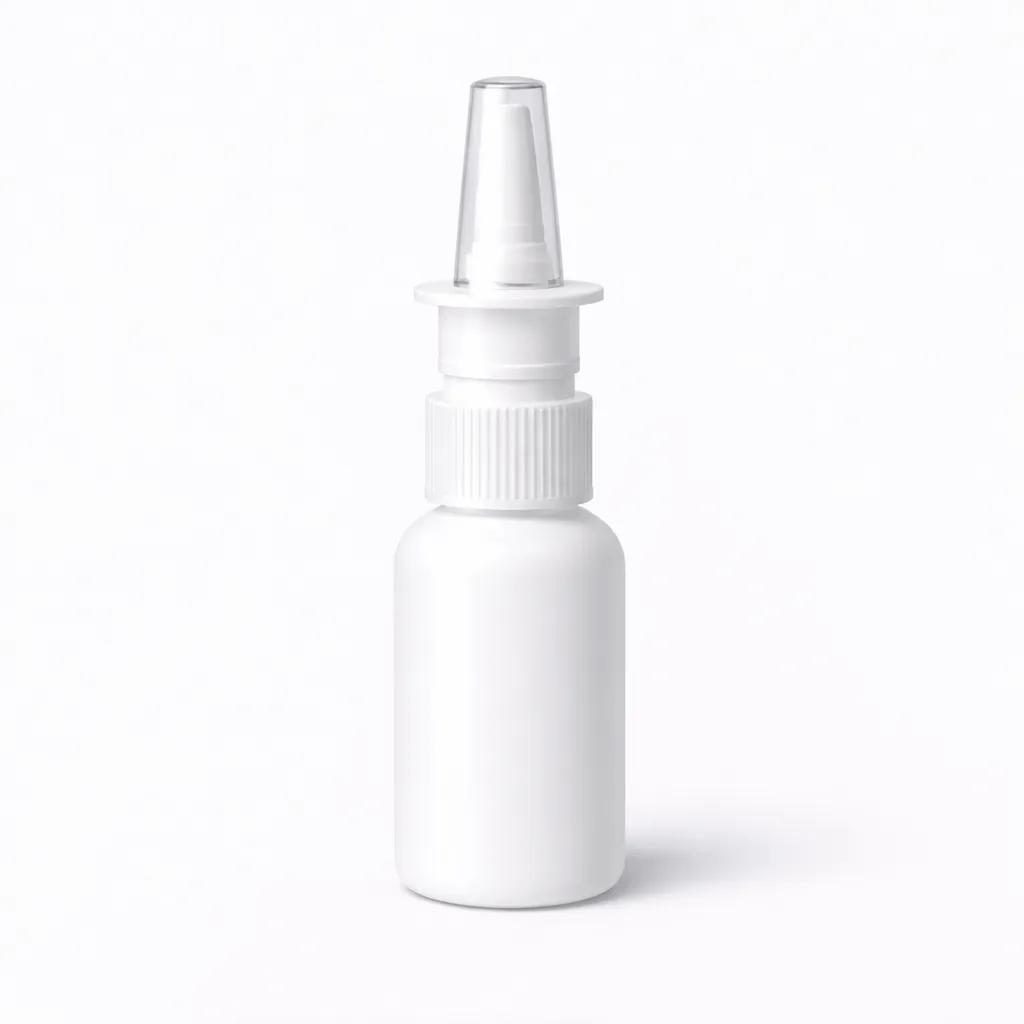
DUONASE NASAL SPRAY 140MCG 70MD
Indications
Duonase Nasal Spray 140mcg 70MD is indicated for the relief of symptoms associated with allergic rhinitis, including nasal congestion, sneezing, and runny nose. It is particularly useful for patients suffering from seasonal allergic rhinitis (hay fever) and perennial allergic rhinitis. The formulation is designed to provide quick and effective relief from nasal symptoms, improving the quality of life for individuals affected by these conditions.
Mechanism of Action
Duonase Nasal Spray combines two active ingredients: an antihistamine and a corticosteroid. The antihistamine component works by blocking the action of histamine, a substance in the body that causes allergic symptoms. By inhibiting histamine receptors, the spray reduces sneezing, itching, and runny nose. The corticosteroid component reduces inflammation and swelling in the nasal passages, providing relief from nasal congestion. This dual action helps to alleviate both the immediate and underlying symptoms of allergic rhinitis.
Pharmacological Properties
Duonase Nasal Spray contains two primary pharmacologically active substances: azelastine hydrochloride and fluticasone propionate. Azelastine is a second-generation antihistamine known for its rapid onset of action and extended duration of effect. Fluticasone propionate is a potent synthetic corticosteroid that exhibits anti-inflammatory properties. Together, these components provide a synergistic effect, enhancing the overall therapeutic efficacy of the spray. The bioavailability of azelastine and fluticasone propionate when administered intranasally allows for localized action with minimal systemic absorption, thereby reducing the risk of systemic side effects.
Contraindications
Duonase Nasal Spray is contraindicated in patients with a known hypersensitivity to any of its components, including azelastine hydrochloride and fluticasone propionate. It should not be used in individuals with untreated fungal, bacterial, or viral infections of the nasal mucosa. Caution is advised in patients with a history of glaucoma or cataracts, as corticosteroids may exacerbate these conditions. Additionally, it is not recommended for use in children under the age of 12 unless specifically directed by a healthcare provider.
Side Effects
The use of Duonase Nasal Spray may result in some side effects, although not everyone will experience them. Common side effects include nasal irritation, dryness, and a bitter taste. Other potential side effects may include headache, drowsiness, and increased nasal discharge. Rarely, more serious side effects such as nasal septum perforation or allergic reactions may occur. Patients should be advised to report any unusual or severe symptoms to their healthcare provider promptly.
Dosage and Administration
The recommended dosage for adults and children aged 12 years and older is two sprays in each nostril once daily. It is crucial to shake the bottle gently before use and to prime the spray if it has not been used for a while. Patients should be instructed to blow their nose gently before administering the spray and to avoid sneezing or blowing their nose immediately after use to ensure optimal absorption of the medication. For children under 12 years of age, the dosage should be determined by a healthcare professional based on individual needs.
Interactions
Duonase Nasal Spray may interact with other medications, potentially altering their effectiveness or increasing the risk of adverse effects. Patients should inform their healthcare provider of all medications they are currently taking, including over-the-counter drugs and herbal supplements. Special caution is warranted when using other central nervous system depressants, as the sedative effects of azelastine may be enhanced. Additionally, the use of other corticosteroids should be approached with caution to avoid cumulative effects.
Precautions
Before using Duonase Nasal Spray, patients should discuss their medical history with their healthcare provider, especially if they have a history of nasal surgery, trauma, or chronic nasal infections. It is essential to monitor patients for signs of infection, particularly if they are using the spray for an extended period. Long-term use of corticosteroids may lead to systemic effects, including adrenal suppression. Patients should also be advised to avoid exposure to known allergens and irritants to maximize the effectiveness of the treatment.
Clinical Studies
Clinical studies have demonstrated the efficacy and safety of Duonase Nasal Spray in managing symptoms of allergic rhinitis. In randomized controlled trials, patients using Duonase reported significant improvements in nasal congestion, sneezing, and overall symptom relief compared to placebo. The combination of azelastine and fluticasone propionate has been shown to provide faster and more comprehensive relief than either agent alone. Long-term studies have indicated that the spray is well-tolerated, with a low incidence of serious adverse effects, making it a viable option for chronic management of allergic rhinitis.
Conclusion
Duonase Nasal Spray 140mcg 70MD represents a convenient and effective treatment option for individuals suffering from allergic rhinitis. Its dual-action formulation addresses both immediate symptoms and underlying inflammation, providing comprehensive relief. Patients should be educated on the proper use of the spray and encouraged to communicate any concerns or side effects with their healthcare provider. With appropriate use, Duonase can significantly improve the quality of life for those affected by allergic rhinitis.
Important
It is essential to use Duonase Nasal Spray responsibly and according to the guidance of a healthcare professional. Adhering to the recommended dosage and being aware of potential side effects will help ensure safe and effective treatment. Always consult with a healthcare provider for personalized advice and before making any changes to your treatment regimen.