Description
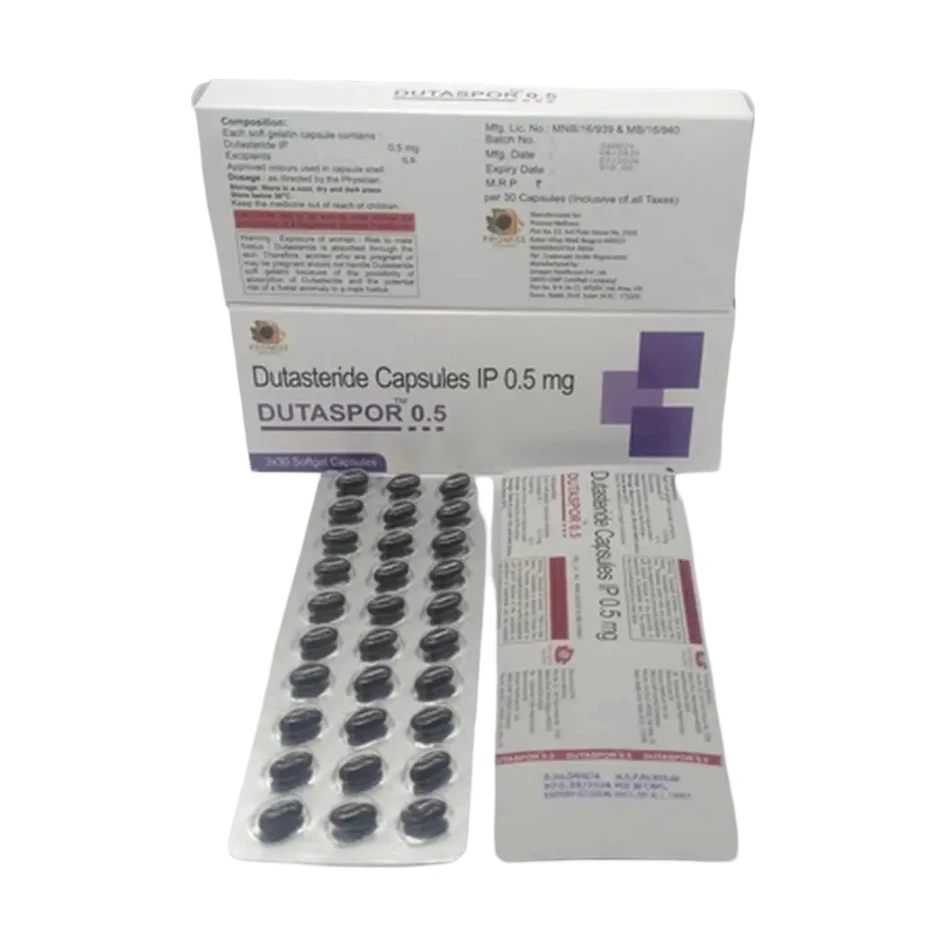
Dutaspor (Dulaglutide) 0.5 mg
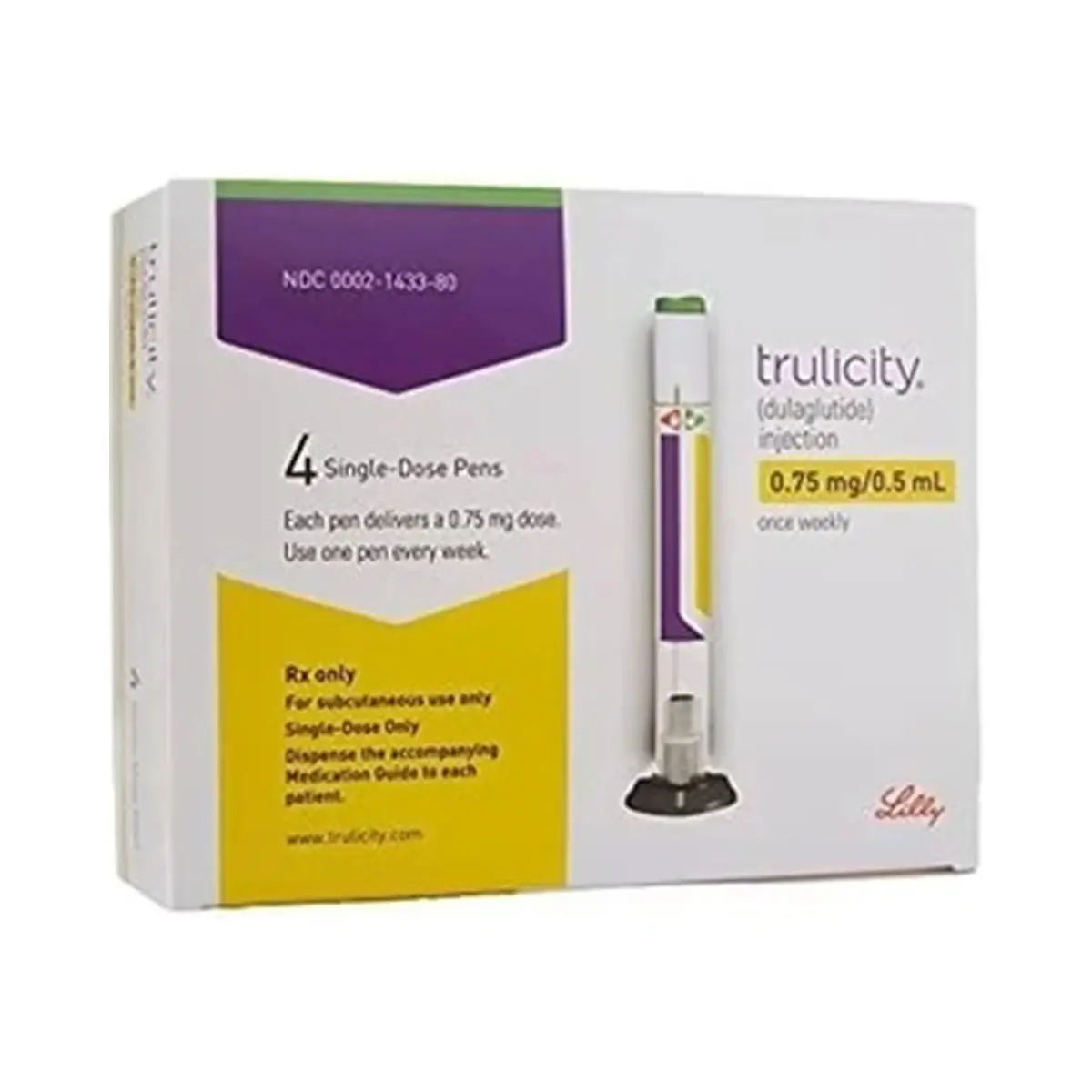
The supplied product name, Dutaspor (Dulaglutide) 0.5 mg, could not be verified as a recognised branded medicine from authoritative prescribing sources. The verified active ingredient is dulaglutide, a glucagon-like peptide-1 (GLP-1) receptor agonist used for diabetes care. Official prescribing information identifies dulaglutide as an injectable medicine; the listing’s description as an oral capsule is not supported by the verified sources reviewed.
Active Ingredient and Medicine Class
Dulaglutide is a GLP-1 receptor agonist. It is a long-acting incretin-based medicine that helps lower blood glucose in people with type 2 diabetes. In official product information, dulaglutide is described as a human GLP-1 receptor agonist with structural features that extend its activity in the body.
Established Medical Uses
Verified prescribing information for dulaglutide supports its use as an adjunct to diet and exercise to improve glycaemic control in adults and, in some jurisdictions, pediatric patients with type 2 diabetes. It is also indicated in adults with type 2 diabetes and established cardiovascular disease or multiple cardiovascular risk factors to reduce the risk of major adverse cardiovascular events.
Established use is focused on type 2 diabetes management. It is not a treatment for type 1 diabetes or diabetic ketoacidosis.
How It Works
Dulaglutide activates the GLP-1 receptor on pancreatic beta cells. This increases cyclic AMP signalling and enhances glucose-dependent insulin release. It also reduces glucagon secretion and slows gastric emptying. These effects help lower fasting and after-meal glucose levels without directly forcing insulin release at all glucose levels.
Important Safety Information
Authoritative prescribing information lists several important contraindications and precautions. Dulaglutide should not be used in people with a personal or family history of medullary thyroid carcinoma or in those with multiple endocrine neoplasia syndrome type 2. It is also contraindicated in patients with a serious hypersensitivity reaction to dulaglutide or any product component.
Important precautions include risk of pancreatitis, hypoglycaemia when used with insulin or an insulin secretagogue, acute kidney injury related to dehydration, severe gastrointestinal adverse reactions, possible worsening of diabetic retinopathy in susceptible patients, and reports of gallbladder disease. Dulaglutide delays gastric emptying and may affect the absorption of oral medicines.
Possible Side Effects
The most commonly reported adverse effects include nausea, diarrhoea, vomiting, abdominal pain, and decreased appetite. These gastrointestinal effects are typical of the GLP-1 receptor agonist class.
More serious reactions can include pancreatitis, severe hypersensitivity reactions such as anaphylaxis or angioedema, dehydration with kidney injury, severe gastrointestinal intolerance, and gallbladder problems. Patients with a history of diabetic retinopathy may require closer monitoring because rapid improvement in glucose control has been associated with temporary worsening in some cases.
Scientific Evidence
Clinical trials and reviews support dulaglutide as an effective glucose-lowering therapy in type 2 diabetes, with a generally acceptable tolerability profile dominated by gastrointestinal adverse effects. In the large REWIND cardiovascular outcomes trial, dulaglutide reduced the risk of the primary composite cardiovascular endpoint compared with placebo in adults with type 2 diabetes and either established cardiovascular disease or cardiovascular risk factors. Reviews indexed in PubMed also describe consistent improvements in glycaemic control, with some studies showing reductions in body weight and low intrinsic hypoglycaemia risk when used alone.
Medical Information Notice
This page is an educational summary based on sources available at the time of review. It does not replace the official patient leaflet, full prescribing information, or an individual assessment by a qualified healthcare professional.
Medical Sources
- U.S. Food and Drug Administration. TRULICITY (dulaglutide) prescribing information
- DailyMed. TRULICITY (dulaglutide) injection, solution
- Gerstein HC et al. Dulaglutide and cardiovascular outcomes in type 2 diabetes (REWIND): a double-blind, randomised placebo-controlled trial. The Lancet, 2019. View scientific article
- Lesley J Scott. Dulaglutide: A Review in Type 2 Diabetes. Drugs, 2020. View scientific article