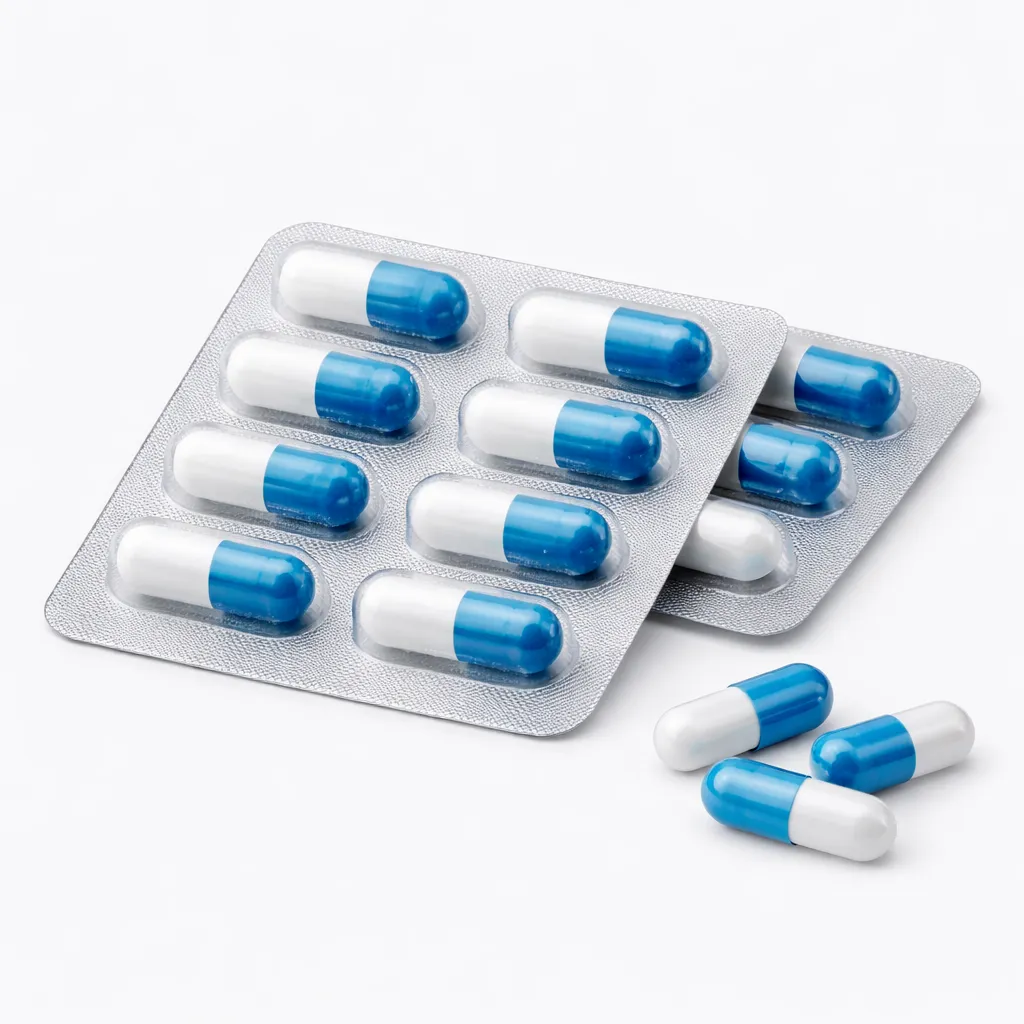
Description
ELSARTAN 50 MG
Indications
Elsartan 50 mg is primarily indicated for the treatment of essential hypertension in adults. It is often prescribed as part of a comprehensive treatment plan that may include lifestyle modifications such as diet and exercise. Additionally, Elsartan may be used to reduce the risk of stroke in patients with hypertension and left ventricular hypertrophy, as well as to treat heart failure in certain patients. The medication is particularly beneficial for individuals who are intolerant to angiotensin-converting enzyme (ACE) inhibitors.
Mechanism of Action
Elsartan is an angiotensin II receptor blocker (ARB) that works by selectively inhibiting the binding of angiotensin II, a potent vasoconstrictor, to its receptors (AT1 receptors) in various tissues. By blocking this interaction, Elsartan causes vasodilation, leading to a decrease in blood pressure. This mechanism also reduces the secretion of aldosterone, which decreases sodium and water retention, further contributing to its antihypertensive effects. The overall result is improved blood flow and reduced workload on the heart.
Pharmacological Properties
Elsartan is characterized by its high oral bioavailability, which is approximately 27%. The drug reaches peak plasma concentrations within 1 to 2 hours after oral administration. It is extensively metabolized in the liver, primarily by cytochrome P450 2C9, to form active and inactive metabolites. The elimination half-life of Elsartan is about 9 hours, allowing for once-daily dosing in most patients. The drug is primarily excreted through urine and feces, with a small percentage eliminated unchanged.
Contraindications
Elsartan is contraindicated in patients with a known hypersensitivity to the drug or any of its components. It should not be used during pregnancy, particularly in the second and third trimesters, as it may cause fetal harm or death. Additionally, Elsartan is contraindicated in patients with severe renal impairment or those who are experiencing biliary obstruction. Caution is advised when prescribing to patients with a history of angioedema related to previous ACE inhibitor therapy.
Side Effects
Common side effects associated with Elsartan include dizziness, fatigue, and headache. Some patients may experience gastrointestinal disturbances such as diarrhea or abdominal pain. Serious side effects, although rare, can include hypotension, renal impairment, and hyperkalemia (elevated potassium levels). Patients should be monitored for signs of angioedema, which is a rare but potentially life-threatening condition characterized by swelling of the face, lips, or throat.
Dosage and Administration
The recommended starting dose of Elsartan for the treatment of hypertension is 50 mg once daily. Depending on the patient’s response and blood pressure levels, the dose may be increased to a maximum of 100 mg per day. For patients with heart failure, the initial dose may be lower, typically starting at 12.5 mg to 25 mg, with gradual titration based on tolerance and clinical response. Elsartan can be taken with or without food, but it is important to maintain a consistent schedule for optimal effectiveness.
Interactions
Elsartan may interact with other medications, which can affect its efficacy or increase the risk of adverse effects. Nonsteroidal anti-inflammatory drugs (NSAIDs) may reduce the antihypertensive effect of Elsartan and increase the risk of renal impairment. Potassium-sparing diuretics and potassium supplements should be used cautiously, as they can lead to hyperkalemia. Additionally, the use of Elsartan with other antihypertensive agents may result in additive effects, necessitating careful monitoring of blood pressure.
Precautions
Before initiating treatment with Elsartan, a thorough medical history should be obtained, and renal function should be assessed. Special caution is warranted in patients with pre-existing renal impairment, heart failure, or those who are on diuretics. Regular monitoring of blood pressure and renal function is recommended during therapy. Patients should be advised to stay hydrated and report any unusual symptoms, such as dizziness or swelling, to their healthcare provider. It is also essential to inform patients about the potential risks of using Elsartan during pregnancy and the importance of effective contraception.
Clinical Studies
Clinical studies have demonstrated the efficacy of Elsartan in reducing blood pressure and improving cardiovascular outcomes. In a randomized controlled trial involving patients with essential hypertension, Elsartan was shown to significantly lower systolic and diastolic blood pressure compared to placebo. Another study highlighted the drug’s effectiveness in reducing the incidence of stroke in patients with hypertension and left ventricular hypertrophy. Long-term studies have also indicated that Elsartan is well-tolerated and has a favorable safety profile, making it a valuable option in the management of hypertension and heart failure.
Conclusion
Elsartan 50 mg is an effective antihypertensive agent that provides significant benefits in managing essential hypertension and reducing cardiovascular risks. Its mechanism of action as an angiotensin II receptor blocker allows for effective blood pressure control with a favorable side effect profile. However, careful consideration of contraindications and potential drug interactions is essential for safe and effective use. Regular monitoring and patient education play crucial roles in optimizing treatment outcomes with Elsartan.
Important
It is essential to use Elsartan responsibly and under the guidance of a qualified healthcare professional. Patients should adhere to prescribed dosages and report any adverse effects or concerns to their healthcare provider promptly.