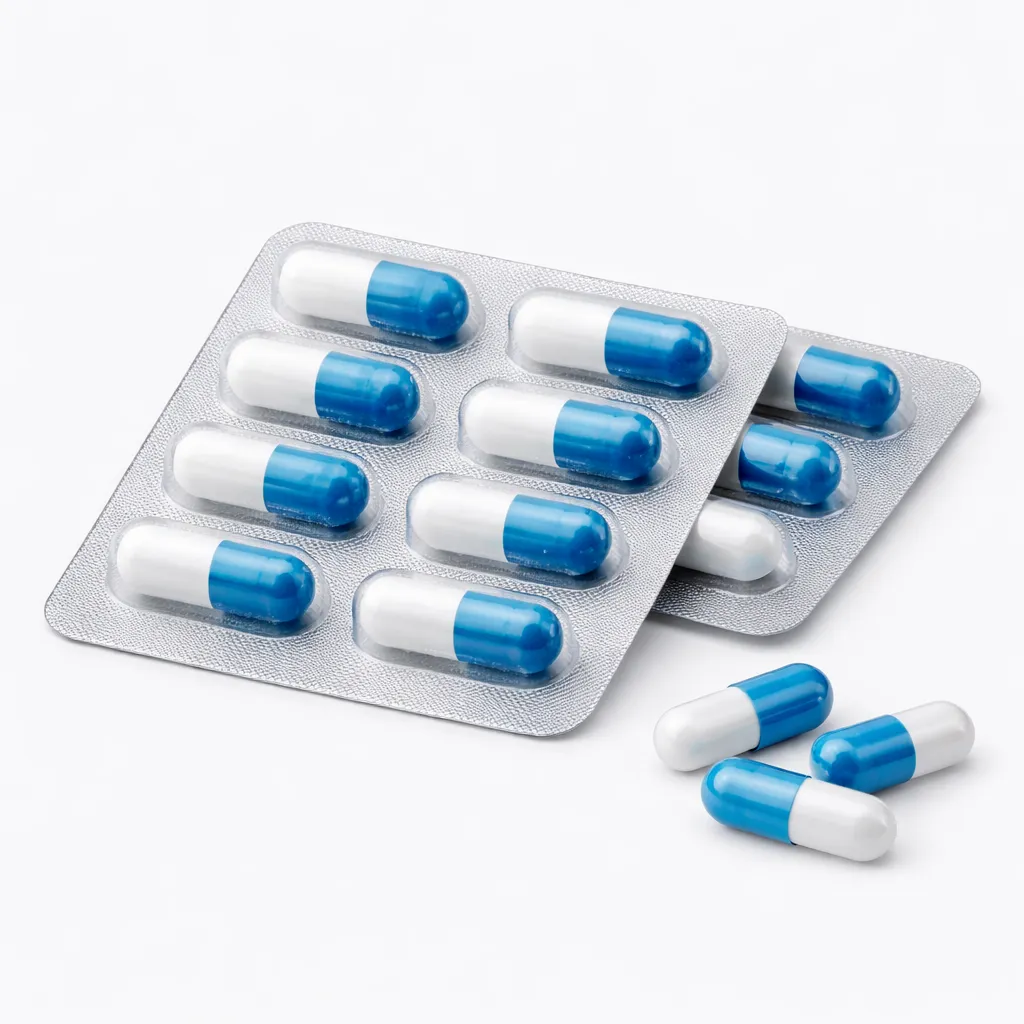
Description
ERYTHROCIN 250 MG
Indications
ERYTHROCIN 250 MG is an antibiotic medication primarily indicated for the treatment of various bacterial infections. It is effective against infections caused by susceptible strains of gram-positive bacteria, including Streptococcus and Staphylococcus species. Common indications include respiratory tract infections such as pneumonia, skin and soft tissue infections, and certain types of gastrointestinal infections. Additionally, it may be used in the treatment of acne and as a prophylactic measure against rheumatic fever in patients with a history of rheumatic heart disease.
Mechanism of Action
ERYTHROCIN is classified as a macrolide antibiotic. Its primary mechanism of action involves the inhibition of bacterial protein synthesis. It achieves this by binding to the 50S ribosomal subunit of the bacterial ribosome, which prevents the translocation of peptides during protein synthesis. This action ultimately leads to the cessation of bacterial growth, allowing the immune system to eliminate the infection. The selective inhibition of protein synthesis in bacteria, while sparing human cells, contributes to its effectiveness and safety profile.
Pharmacological Properties
ERYTHROCIN exhibits a broad spectrum of activity against a variety of gram-positive and some gram-negative bacteria. It is particularly effective against Streptococcus pneumoniae, Streptococcus pyogenes, and certain strains of Staphylococcus aureus. The pharmacokinetics of ERYTHROCIN demonstrate good oral bioavailability, with peak plasma concentrations occurring approximately 2 hours after administration. The drug is metabolized primarily in the liver and has a half-life of about 1.5 to 2 hours, necessitating multiple doses throughout the day to maintain therapeutic levels. It is excreted mainly in bile and urine, with a small proportion unchanged in urine.
Contraindications
ERYTHROCIN is contraindicated in patients with a known hypersensitivity to erythromycin or any of its components. It should also be avoided in individuals with a history of cholestatic jaundice or hepatic dysfunction associated with previous use of erythromycin. Additionally, caution is advised in patients with severe renal impairment, as dosage adjustments may be necessary to prevent accumulation and toxicity.
Side Effects
Common side effects associated with the use of ERYTHROCIN include gastrointestinal disturbances such as nausea, vomiting, abdominal pain, and diarrhea. These effects are often dose-related and may be minimized by taking the medication with food. Other potential side effects include allergic reactions, which may manifest as rash, urticaria, or anaphylaxis in rare cases. Hepatotoxicity has also been reported, particularly in patients with pre-existing liver conditions. Patients should be monitored for signs of liver dysfunction, especially during prolonged therapy.
Dosage and Administration
The recommended dosage of ERYTHROCIN for adults typically ranges from 250 mg to 500 mg taken every 6 to 12 hours, depending on the severity and type of infection. For pediatric patients, the dosage is usually calculated based on body weight, with a common range of 30 to 50 mg/kg/day divided into multiple doses. It is essential to complete the full course of therapy as prescribed, even if symptoms improve, to prevent the development of antibiotic resistance. The medication should be taken with a full glass of water and can be administered with or without food, although taking it with food may reduce gastrointestinal side effects.
Interactions
ERYTHROCIN has the potential to interact with several other medications, which may alter its effectiveness or increase the risk of adverse effects. Notably, it can inhibit the metabolism of drugs that are substrates of the cytochrome P450 3A4 enzyme, leading to elevated plasma levels of these medications. Common drugs that may interact with ERYTHROCIN include warfarin, theophylline, and certain statins. Patients should inform their healthcare provider of all medications they are taking, including over-the-counter drugs and herbal supplements, to avoid potential interactions.
Precautions
Before initiating treatment with ERYTHROCIN, it is crucial to assess the patient’s medical history for any liver disease, cardiac conditions, or gastrointestinal disorders. Close monitoring is recommended for patients with existing liver impairment, as erythromycin can exacerbate liver function abnormalities. Additionally, caution should be exercised in patients with a history of arrhythmias, as erythromycin has been associated with QT interval prolongation, which may lead to serious cardiac complications. Pregnant and breastfeeding women should consult their healthcare provider before using this medication, as it is classified as a Category B drug, indicating that it is generally considered safe but should be used only if necessary.
Clinical Studies
Numerous clinical studies have evaluated the efficacy and safety of ERYTHROCIN in various infection types. In a randomized controlled trial published in the Journal of Antimicrobial Chemotherapy, erythromycin demonstrated comparable efficacy to penicillin in treating streptococcal pharyngitis, with a favorable safety profile. Another study published in Clinical Infectious Diseases highlighted the effectiveness of erythromycin in treating community-acquired pneumonia, particularly in patients allergic to penicillin. These studies support the continued use of ERYTHROCIN as a viable alternative for treating bacterial infections, especially in penicillin-allergic patients.
Conclusion
ERYTHROCIN 250 MG remains a valuable antibiotic in the treatment of various bacterial infections. Its unique mechanism of action, broad-spectrum activity, and established safety profile make it an important option in clinical practice. However, it is essential for healthcare providers to consider potential drug interactions, contraindications, and patient-specific factors when prescribing this medication. Ongoing monitoring and patient education are critical to ensure the responsible use of ERYTHROCIN and to mitigate the risk of antibiotic resistance.
Important
It is essential to use ERYTHROCIN 250 MG responsibly and only as prescribed by a healthcare professional. Misuse of antibiotics can lead to antibiotic resistance, making infections harder to treat. Always consult with a healthcare provider for proper diagnosis and treatment options.