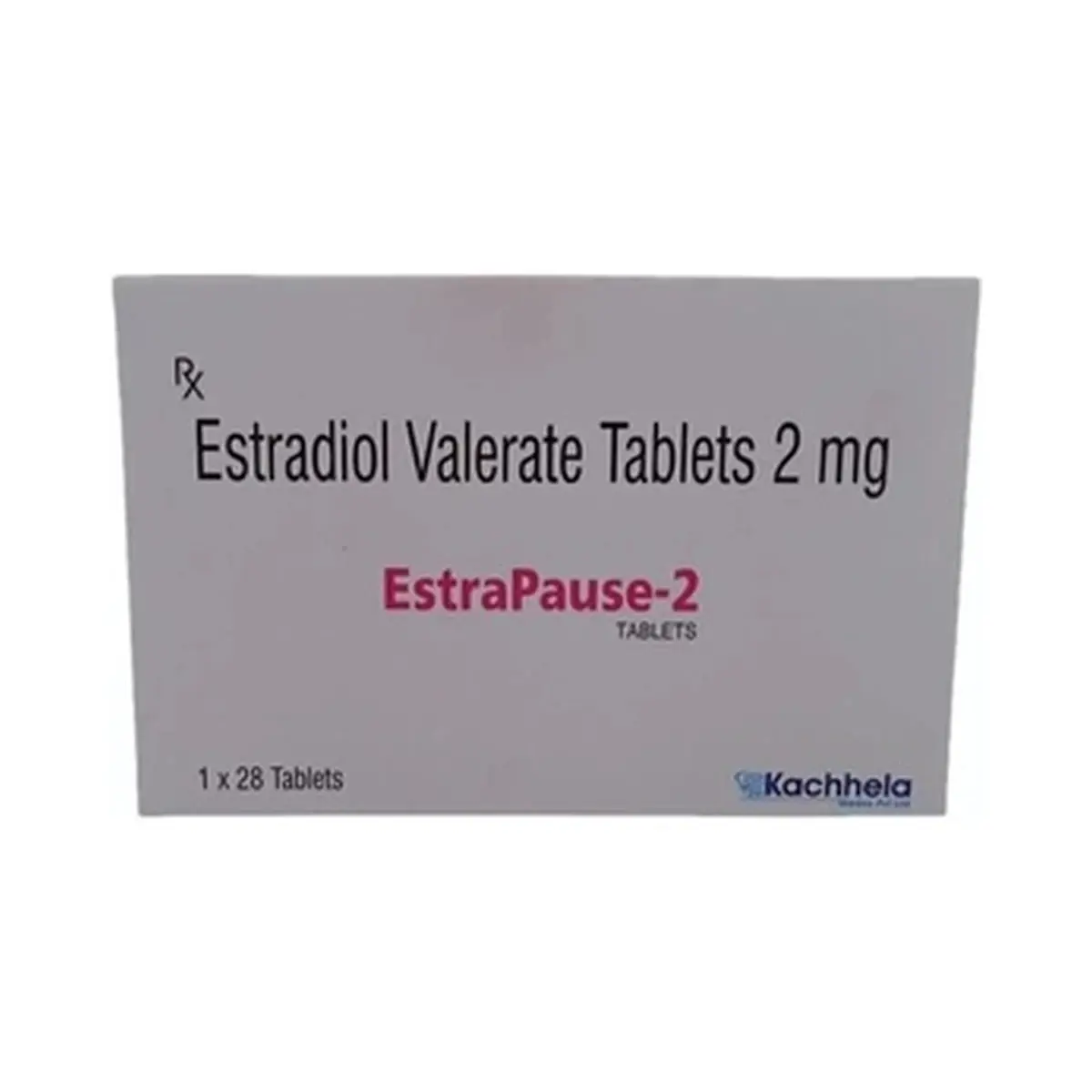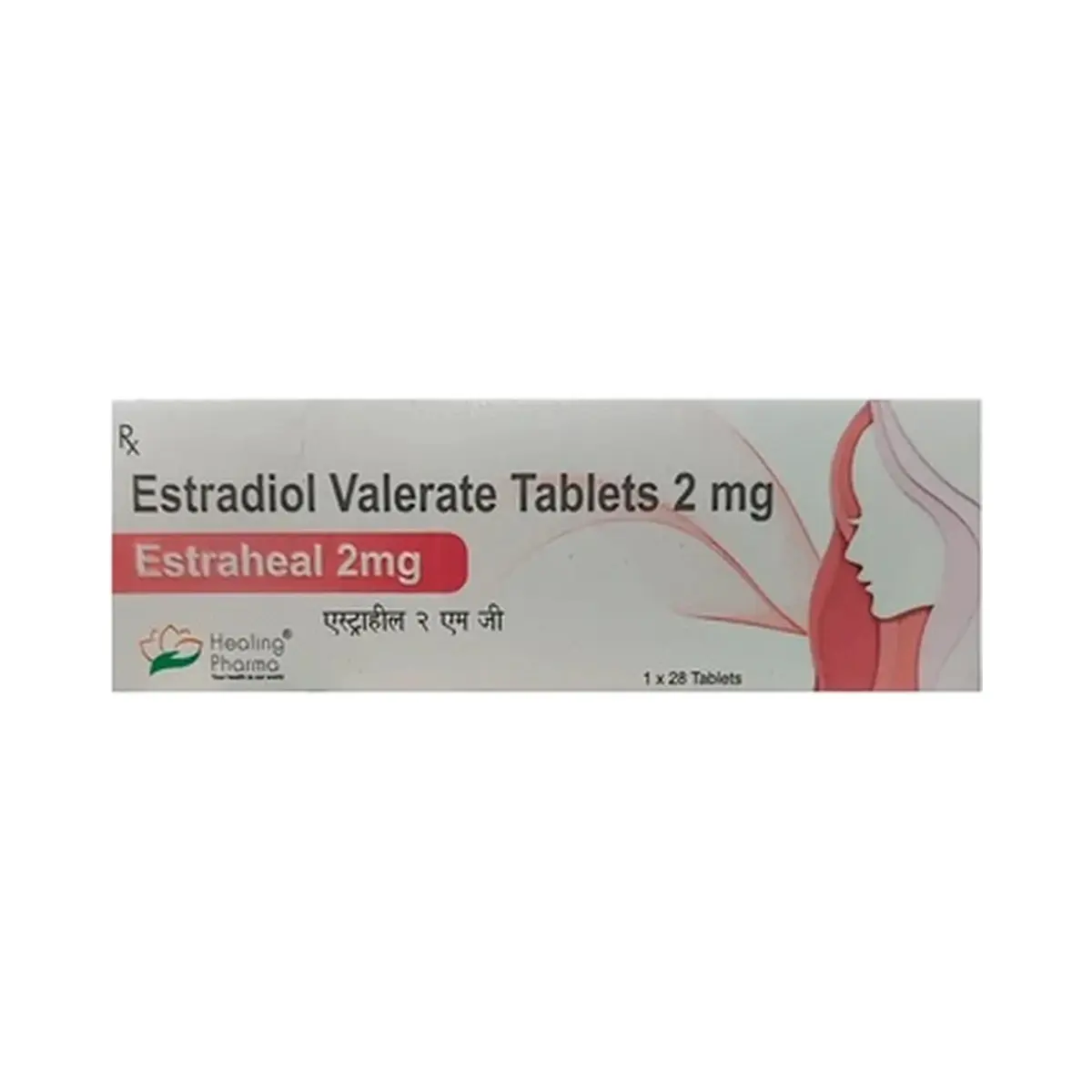
Description
Estraheal (Estradiol Valerate) 2 mg
Estraheal 2 mg is presented as an oral estradiol valerate tablet. Estradiol valerate is an estrogen prodrug that is converted in the body to estradiol, the main active female sex hormone. Based on the verified strength and tablet form, this product corresponds to a systemic estrogen medicine used in hormone replacement therapy.
Active Ingredient and Medicine Class
The verified active ingredient is estradiol valerate 2 mg. It belongs to the natural and semisynthetic estrogens class, used for systemic estrogen supplementation. After oral use, estradiol valerate is rapidly hydrolysed to estradiol.
Established Medical Uses
Official prescribing information for estradiol valerate 2 mg tablets identifies use in hormone replacement therapy for oestrogen deficiency symptoms in peri- and postmenopausal women. It is also used in some product licences for prevention of osteoporosis in postmenopausal women at high risk of future fractures when other medicines are not suitable. Established use depends on the exact authorised product and country.
How It Works
Estradiol valerate acts as a precursor to estradiol. Once absorbed, it is converted by esterases in plasma and the liver to estradiol, which then binds to estrogen receptors in target tissues. This helps replace reduced endogenous estrogen activity after menopause and can reduce estrogen-deficiency symptoms. Estrogens also have recognised effects on bone turnover, helping to slow postmenopausal bone loss.
Important Safety Information
Estradiol valerate is not suitable for everyone. Important contraindications in official prescribing information include known, past or suspected breast cancer; known or suspected estrogen-dependent tumours such as endometrial cancer; undiagnosed genital bleeding; untreated endometrial hyperplasia; current or previous venous thromboembolism; active or recent arterial thromboembolic disease such as myocardial infarction or angina; acute liver disease or persistent liver dysfunction; and hypersensitivity to the ingredients.
Clinically significant interactions may occur with medicines that induce hepatic enzymes, including certain anticonvulsants, rifampicin, rifabutin, nevirapine, efavirenz and St John’s wort, which can reduce estrogen exposure and effect. CYP3A4 inhibitors such as azole antifungals, macrolides, diltiazem, verapamil and grapefruit juice may increase estrogen levels. Caution is also advised with some direct-acting antiviral regimens and with lamotrigine, where estrogen therapy may reduce seizure control.
Because oral estrogen therapy can increase thromboembolic risk, product information highlights careful risk assessment in women with factors such as obesity, prolonged immobilisation, major surgery, older age, cancer or known thrombophilic disorders.
Possible Side Effects
Reported adverse effects with oral estradiol valerate and other oral estrogen therapies include headache, nausea, abdominal discomfort, breast tenderness, mood changes, weight change, dizziness, and vaginal bleeding or spotting. More serious but less common reactions include venous thromboembolism, stroke, myocardial infarction, gallbladder disease, elevated blood pressure, liver-related problems, and hypersensitivity reactions. Estrogen therapy may also increase the risk of endometrial hyperplasia and endometrial cancer when used without appropriate endometrial protection in women with a uterus.
Scientific Evidence
Clinical and pharmacokinetic studies show that oral estradiol valerate is absorbed and converted to estradiol, with measurable systemic estrogen exposure after dosing. Comparative and review literature on menopausal hormone therapy supports the role of systemic estrogen in relieving menopausal symptoms, while also confirming that route, formulation and patient risk factors influence safety outcomes, particularly for thromboembolism and other estrogen-related adverse events. These findings support established prescribing information but do not make estradiol valerate appropriate for every patient.
Medical Information Notice
This page is an educational summary based on sources available at the time of review. It does not replace the official patient leaflet, local prescribing information, or an individual assessment by a qualified healthcare professional.
Medical Sources
- Medicines.org.uk (emc), Progynova 2 mg Tablets SmPC. Official prescribing information for estradiol valerate 2 mg oral tablets. View official medicine information
- DailyMed / FDA, Estradiol Tablets, USP. Official estrogen prescribing information used here for class safety information and oral estrogen warnings. View official prescribing information
- Zimmermann H et al. Pharmacokinetics of estradiol valerate 2mg + dienogest 2mg (climodien® 2/2) after single and repeated oral administration in healthy postmenopausal women. International Journal of Clinical Pharmacology and Therapeutics, 2000. View scientific article
- Archer DF et al. Pharmacokinetics of oral 17 beta-estradiol. Obstetrics and Gynecology, 1992. View scientific article