
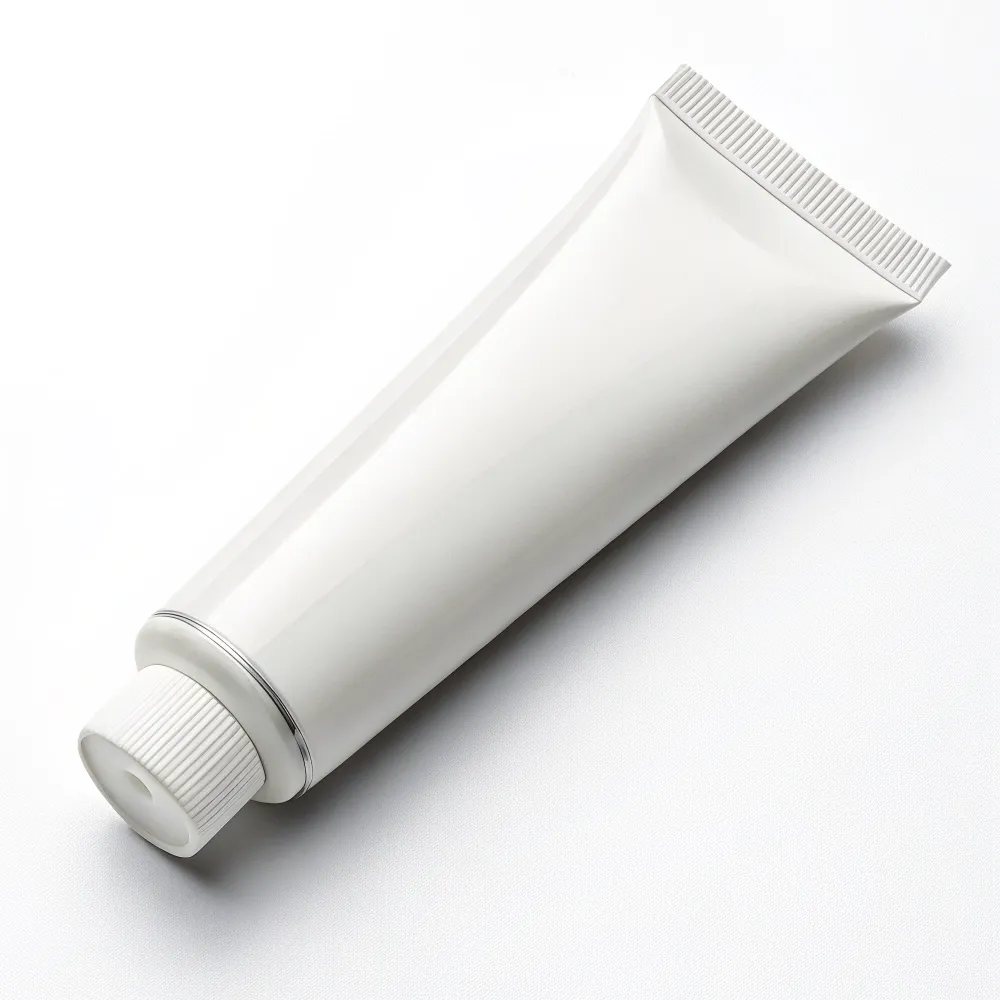
Description
EUKROMA CREAM 4% 20GM
Indications
Eukroma Cream 4% is primarily indicated for the treatment of hyperpigmentation disorders, including melasma, post-inflammatory hyperpigmentation, and other conditions characterized by excessive melanin production. It is commonly used to lighten dark patches on the skin and is suitable for various skin types. This topical formulation is often recommended for individuals seeking to achieve a more even skin tone and improve the overall appearance of their skin.
Mechanism of Action
The active ingredient in Eukroma Cream is hydroquinone, which functions as a skin-lightening agent. Hydroquinone works by inhibiting the enzyme tyrosinase, which is crucial in the biosynthesis of melanin. By reducing the activity of this enzyme, hydroquinone decreases melanin production in the skin, leading to a gradual lightening of hyperpigmented areas. This process helps to restore a more uniform skin tone and reduces the visibility of dark spots.
Pharmacological Properties
Eukroma Cream contains hydroquinone at a concentration of 4%, which is considered effective for treating moderate to severe cases of hyperpigmentation. The cream is absorbed through the skin and acts locally at the site of application. Hydroquinone is known for its rapid onset of action, with many patients noticing improvements within a few weeks of consistent use. The cream is formulated to provide a smooth application and is designed to be well-tolerated by the skin.
Contraindications
Side Effects
While Eukroma Cream is generally well-tolerated, some users may experience side effects. Common side effects include mild skin irritation, redness, and dryness at the application site. In rare cases, more severe reactions such as contact dermatitis may occur. Prolonged use of hydroquinone can lead to ochronosis, a condition that causes darkening of the skin. It is essential for users to monitor their skin’s response to the treatment and consult a healthcare professional if any unusual or severe reactions occur.
Dosage and Administration
Eukroma Cream should be applied to the affected areas of the skin once or twice daily, as directed by a healthcare professional. Before applying the cream, the skin should be clean and dry. A thin layer of the cream should be gently massaged into the hyperpigmented areas until fully absorbed. It is advisable to use sunscreen during the day while using this cream, as hydroquinone can increase the skin’s sensitivity to sunlight. Treatment duration may vary depending on the severity of the condition and the individual’s response to therapy, but it is generally recommended to limit continuous use to a maximum of 3 to 6 months to reduce the risk of side effects.
Interactions
There are no well-documented drug interactions specific to Eukroma Cream. However, caution is advised when using other topical products that may cause skin irritation, such as those containing alpha hydroxy acids, retinoids, or other skin-lightening agents. It is essential to inform healthcare providers about all medications and topical products being used to avoid potential interactions and adverse effects.
Precautions
Patients using Eukroma Cream should take certain precautions to ensure safe and effective treatment. It is crucial to avoid excessive sun exposure and to use broad-spectrum sunscreen to protect the skin from UV radiation, which can exacerbate hyperpigmentation. Pregnant or breastfeeding women should consult their healthcare provider before using this product, as the safety of hydroquinone during pregnancy and lactation is not fully established. Additionally, it is advisable to perform a patch test before using the cream on larger areas of the skin to assess for any allergic reactions.
Clinical Studies
Clinical studies have demonstrated the efficacy of hydroquinone in treating various forms of hyperpigmentation. One study published in the Journal of the American Academy of Dermatology showed that patients using hydroquinone experienced a significant reduction in melasma compared to those using a placebo. Another study indicated that hydroquinone is effective in treating post-inflammatory hyperpigmentation, with most patients reporting satisfactory results within a few weeks of treatment. These studies support the use of Eukroma Cream as a viable option for individuals seeking to address skin discoloration.
Conclusion
Eukroma Cream 4% is a topical treatment designed for individuals struggling with hyperpigmentation. With its active ingredient hydroquinone, it effectively reduces melanin production, leading to a lighter and more even skin tone. While generally well-tolerated, users should be aware of potential side effects and take necessary precautions during treatment. It is advisable to consult a healthcare professional for personalized recommendations and to ensure the safe use of this product. Overall, Eukroma Cream represents a valuable option for those looking to improve their skin’s appearance and address hyperpigmentation concerns.
Important
It is essential to use Eukroma Cream responsibly and as directed by a healthcare professional. Always follow the recommended dosage and precautions to minimize the risk of side effects. If you have any concerns or experience adverse reactions, consult your healthcare provider promptly.


