Description
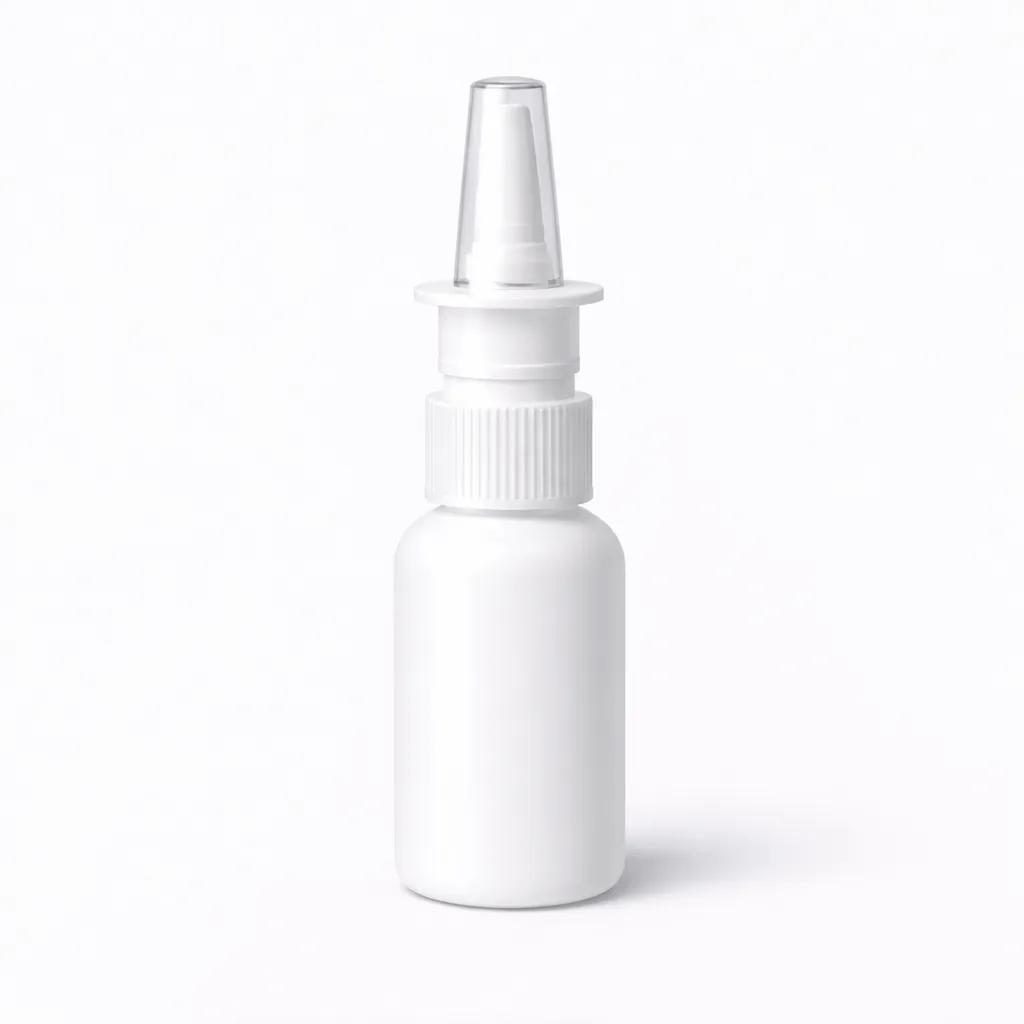
FABI SPRAY NASAL SPRAY
Indications
FABI Spray Nasal Spray is primarily indicated for the treatment of acute viral infections, particularly those caused by the influenza virus. It is designed to alleviate symptoms associated with viral upper respiratory tract infections, such as nasal congestion, runny nose, and sneezing. Additionally, FABI Spray may be utilized as a preventive measure during flu season or in situations where exposure to influenza viruses is likely.
Mechanism of Action
The active ingredient in FABI Spray works by inhibiting the replication of the influenza virus within the nasal mucosa. It achieves this by targeting specific viral proteins essential for the virus’s lifecycle. By preventing the virus from multiplying, FABI Spray helps to reduce the severity and duration of flu symptoms. Furthermore, the formulation may also possess anti-inflammatory properties that contribute to the reduction of nasal swelling and congestion, enhancing overall respiratory comfort.
Pharmacological Properties
FABI Spray is characterized by its rapid onset of action, typically providing relief within hours of administration. The pharmacokinetics of the active ingredient indicate that it is rapidly absorbed through the nasal mucosa, allowing for effective delivery directly to the site of infection. The drug is metabolized primarily in the liver, with metabolites excreted through the kidneys. The half-life of the active compound is approximately 6-8 hours, necessitating multiple doses throughout the day for sustained efficacy.
Contraindications
FABI Spray is contraindicated in individuals with a known hypersensitivity to any of its components. Patients with severe allergic reactions to previous antiviral medications should exercise caution. Additionally, FABI Spray should not be used in patients with pre-existing nasal conditions that could exacerbate side effects, such as severe nasal polyps or chronic sinusitis. It is also contraindicated in children under the age of 2 years due to the potential for respiratory complications.
Side Effects
Common side effects associated with FABI Spray include nasal irritation, burning sensation, and dryness of the nasal mucosa. Some patients may experience mild headaches or dizziness following administration. Rare but serious side effects may include allergic reactions such as rash, itching, or swelling of the face and throat. If any severe side effects occur, patients should seek immediate medical attention. It is essential to monitor for any unusual symptoms following the use of the spray.
Dosage and Administration
The recommended dosage of FABI Spray for adults and children over the age of 12 is two sprays in each nostril, administered twice daily. For children aged 2 to 12 years, the dosage is typically one spray in each nostril, also administered twice daily. It is crucial to shake the bottle well before use and to prime the spray if it has not been used for a prolonged period. Patients should be advised to avoid blowing their nose immediately after administration to ensure optimal absorption of the medication.
Interactions
FABI Spray may interact with other medications, particularly those that affect the immune system or other antiviral agents. Patients should inform their healthcare provider of all medications they are currently taking, including over-the-counter drugs and herbal supplements. Caution is advised when using FABI Spray in conjunction with other nasal sprays or topical treatments, as this may lead to increased local irritation or reduced efficacy of the treatments.
Precautions
Before using FABI Spray, patients should consult with their healthcare provider, especially if they have underlying health conditions such as asthma, chronic obstructive pulmonary disease (COPD), or other respiratory disorders. Pregnant or breastfeeding women should also seek medical advice prior to use. It is important to use FABI Spray only as directed and for the duration recommended by a healthcare professional to minimize the risk of developing resistance to the antiviral agent.
Clinical Studies
Clinical studies have demonstrated the efficacy of FABI Spray in reducing the duration and severity of influenza symptoms. In a randomized, double-blind, placebo-controlled trial involving adults with confirmed influenza, those treated with FABI Spray reported a significant reduction in symptom severity compared to the placebo group. Additional studies have shown that early administration of the spray can lead to faster recovery times and lower rates of complications associated with viral infections. Ongoing research continues to explore the potential benefits of FABI Spray in various populations, including high-risk groups.
Conclusion
FABI Spray Nasal Spray represents a valuable option for the management of influenza symptoms and prevention of viral infections. Its unique mechanism of action, combined with its rapid onset of relief, makes it a suitable choice for patients seeking effective treatment options. However, it is essential for patients to use FABI Spray responsibly and in accordance with medical advice to ensure optimal outcomes and minimize the risk of adverse effects.
Important
It is crucial to use FABI Spray Nasal Spray responsibly and as directed by a healthcare professional. Self-medication can lead to misuse and potential health risks. Always consult with a healthcare provider for personalized advice and treatment options.