Description
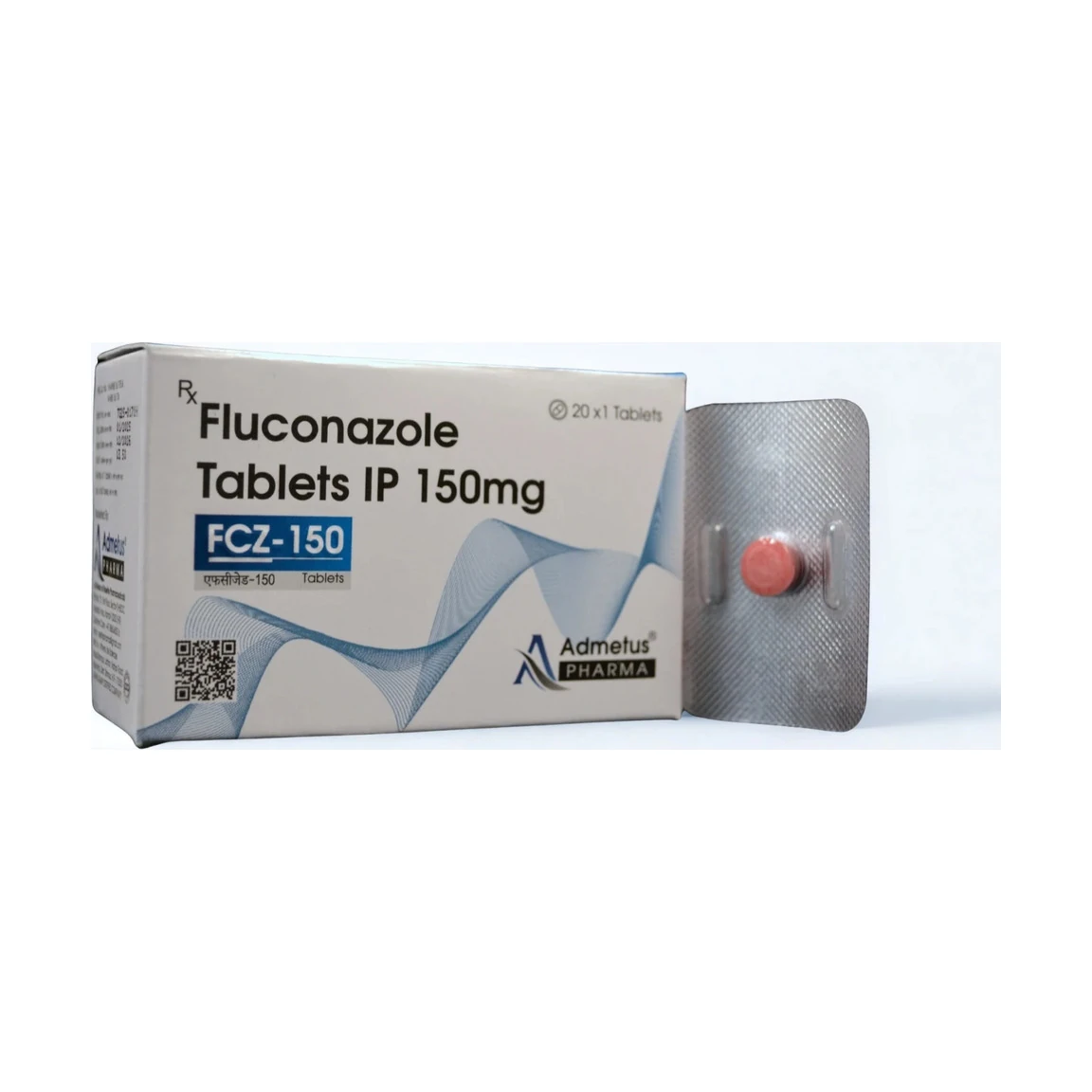
Fcz (Fluconazole) 150 mg – 1 tablet
Fcz 150 mg is a fluconazole oral tablet, an antifungal medicine in the triazole class. It is used for infections caused by susceptible yeasts, especially Candida species. This product strength is commonly associated with treatment of vaginal candidiasis, but fluconazole is also used for other fungal infections when they are caused by organisms that are sensitive to it.
Active Ingredient and Medicine Class
The verified active ingredient is fluconazole. Fluconazole belongs to the triazole antifungal class. It is a systemic antifungal agent that can be given by mouth and is known for its activity against many Candida yeasts.
Established Medical Uses
Fluconazole is established for the treatment of vaginal candidiasis and other Candida infections when the causative organism is susceptible. Official prescribing information also supports use in several other Candida-related infections, including oral, esophageal, urinary, bloodstream, and certain deep-seated infections, depending on clinical context and organism susceptibility.
For the 150 mg tablet strength, the best-known established use is treatment of vaginal yeast infection. Scientific studies have also evaluated this oral single-dose strength in uncomplicated vulvovaginal candidiasis.
How It Works
Fluconazole works by blocking a fungal enzyme needed to make ergosterol, an essential component of the fungal cell membrane. When ergosterol production is disrupted, the fungal cell membrane becomes abnormal and fungal growth is inhibited. This mechanism explains its activity against many yeasts, particularly Candida species.
Important Safety Information
Fluconazole should not be used in people with known hypersensitivity to fluconazole or to other ingredients in the product. It is also contraindicated with certain medicines that can affect heart rhythm, including some drugs that prolong the QT interval and are metabolized through CYP3A4.
Important precautions include the risk of liver injury, so patients with liver dysfunction require particular caution. Fluconazole can also cause clinically significant drug interactions because it inhibits several drug-metabolising enzymes. Interactions may occur with medicines such as warfarin-type anticoagulants, some sulfonylureas, certain calcium-channel blockers, some benzodiazepines, amiodarone, and other CYP2C9, CYP2C19, or CYP3A4 substrates.
Use during pregnancy is generally avoided unless the expected benefit outweighs potential fetal risk. Official prescribing information notes concerns about fetal harm, particularly with exposure during the first trimester.
Possible Side Effects
Fluconazole is generally well tolerated, but side effects can occur. Commonly reported effects include headache, nausea, abdominal discomfort, diarrhoea, and dizziness. Some people may also notice changes in taste.
More serious reactions are uncommon but can include serious allergic reactions, severe skin reactions, abnormal liver tests, and rare cases of serious hepatic toxicity. Because fluconazole can affect heart rhythm in susceptible patients or with interacting medicines, caution is important in people with relevant risk factors.
Scientific Evidence
Clinical studies have shown that oral fluconazole, including the 150 mg single-dose regimen, can be effective for uncomplicated vaginal candidiasis. Comparative studies and reviews have reported good symptom improvement and fungal eradication in many patients, with generally acceptable tolerability. Broader reviews of fluconazole describe it as an important antifungal for susceptible Candida infections, while also noting the clinical relevance of resistance in some species and the need to match treatment to the organism and setting.
Medical Information Notice
This page is an educational summary based on sources available at the time of review. It does not replace the official patient leaflet, product labelling, or individual assessment by a qualified healthcare professional.
Medical Sources
- U.S. Food and Drug Administration. DIFLUCAN (fluconazole) prescribing information. View official prescribing information
- DailyMed. DIFLUCAN (fluconazole) tablet label. View official label
- C Charlier et al. Fluconazole for the management of invasive candidiasis: where do we stand after 15 years? J Antimicrob Chemother, 2006. View scientific article
- R J Phillips et al. An open multicentre study of the efficacy and safety of a single dose of fluconazole 150 mg in the treatment of vaginal candidiasis in general practice. Br J Clin Pract, 1990. View scientific article