Description
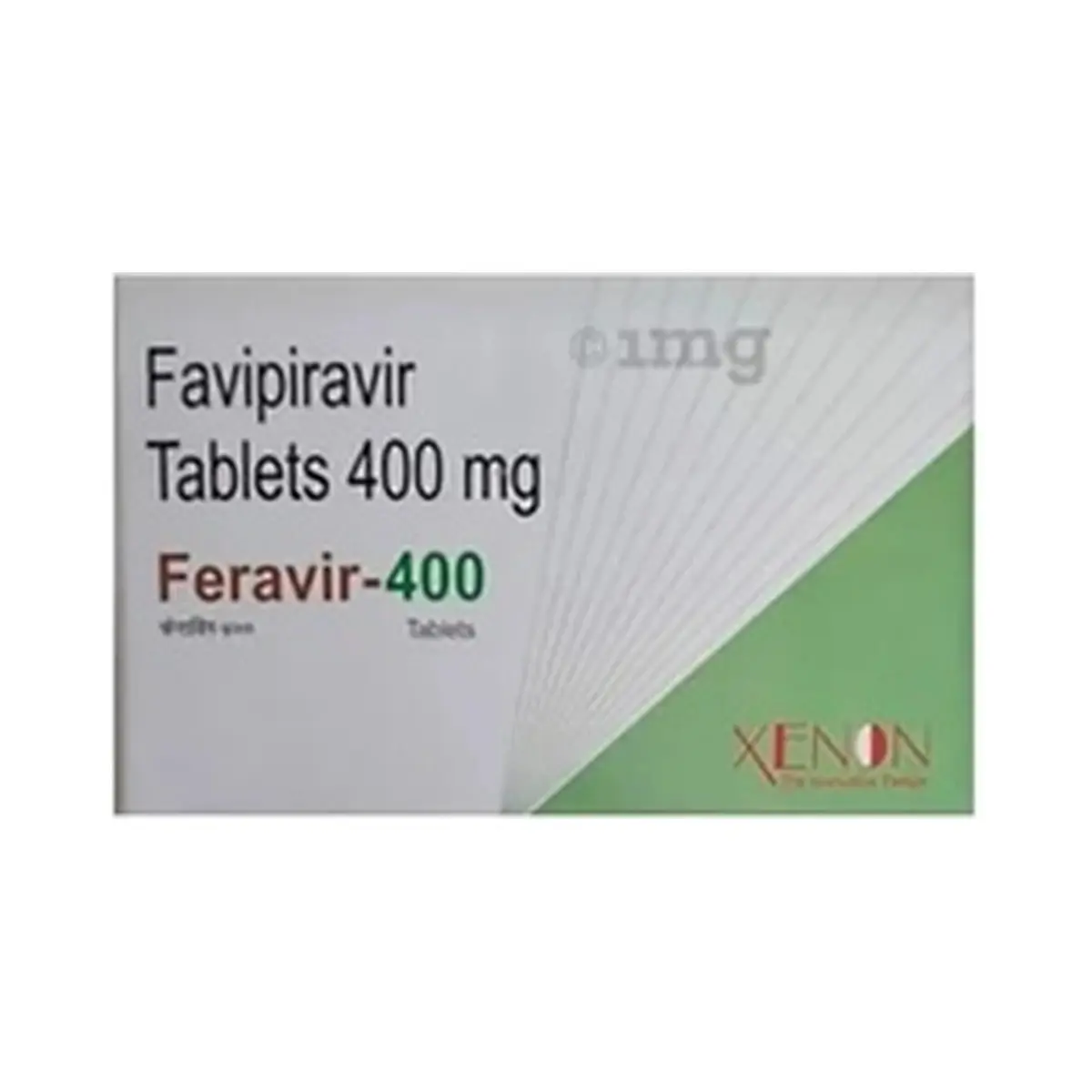
Feravir (Favipiravir) 400 mg
Feravir 400 mg is a branded oral tablet product containing favipiravir, an antiviral medicine in the RNA polymerase inhibitor class. Favipiravir has been studied mainly for influenza and other RNA virus infections, but its clinical use and regulatory status vary by country. The exact brand name Feravir was not independently verified in the available official sources, so the information below is based on the verified active ingredient favipiravir.
Active Ingredient and Medicine Class
The active ingredient is favipiravir. It is a synthetic antiviral agent and is generally described as a viral RNA-dependent RNA polymerase inhibitor. In scientific literature, it is also discussed as a nucleoside-like antiviral that can interfere with viral RNA synthesis and replication.
Established Medical Uses
Favipiravir has an established history of use for influenza in some countries, particularly where approved for influenza that is severe or unresponsive to standard therapy. It has also been investigated for other RNA virus infections, including COVID-19 and selected high-consequence viral diseases, but such uses are not equally established or authorized across jurisdictions.
How It Works
Favipiravir is converted in the body to an active form that targets the viral RNA polymerase enzyme. By interfering with this enzyme, it reduces the virus’s ability to copy its genetic material and make new viral particles. This mechanism is why it is considered a broad-spectrum antiviral against some RNA viruses.
Important Safety Information
Favipiravir should be used with particular caution because of its potential risk in pregnancy; it is regarded as inappropriate during pregnancy in official guidance due to concerns from non-clinical data. Important precautions also include the possibility of hyperuricemia and abnormal liver test results. Clinically significant interaction concerns have been reported with some medicines, including warfarin and related anticoagulants, so concomitant medicines should be reviewed carefully by a healthcare professional.
Because safety data and approved indications differ by country, established prescribing information should always be checked for the relevant local market before use.
Possible Side Effects
Reported adverse effects include elevated uric acid levels, nausea, diarrhea, abnormal liver enzymes, and other gastrointestinal or laboratory abnormalities. In clinical studies, favipiravir has also been associated with generally mild to moderate adverse effects in many patients, but serious reactions and reproductive toxicity concerns remain important safety issues.
Scientific Evidence
Human studies suggest favipiravir can reduce viral markers in influenza, but the effect on clinical recovery has been inconsistent. A phase 3 trial in uncomplicated influenza reported antiviral activity with mixed effects on symptom relief. Reviews of the broader literature describe favipiravir as a promising RNA polymerase inhibitor, while also noting limitations in the strength and consistency of clinical evidence across different viral diseases.
Medical Information Notice
This summary is an educational overview based on sources available at the time of review. It does not replace the official patient leaflet, approved prescribing information, or individual assessment by a qualified healthcare professional.
Medical Sources
- World Health Organization. Clinical practice guidelines for influenza. Official guideline discussion of favipiravir, its mechanism, and pregnancy-related caution. View official guideline
- WHO International Meeting of World Pharmacopoeias. IMWP Monograph on Favipiravir and Favipiravir Tablets. Official pharmacopoeial monograph for identification and quality characteristics. View official monograph
- Ryta Łagocka et al. Favipiravir in Therapy of Viral Infections. Journal of Clinical Medicine, 2021. View scientific article
- Fumihiro Komeno et al. Favipiravir, an anti-influenza drug against life-threatening RNA virus infections. Journal of Infection and Chemotherapy, 2020. View scientific article