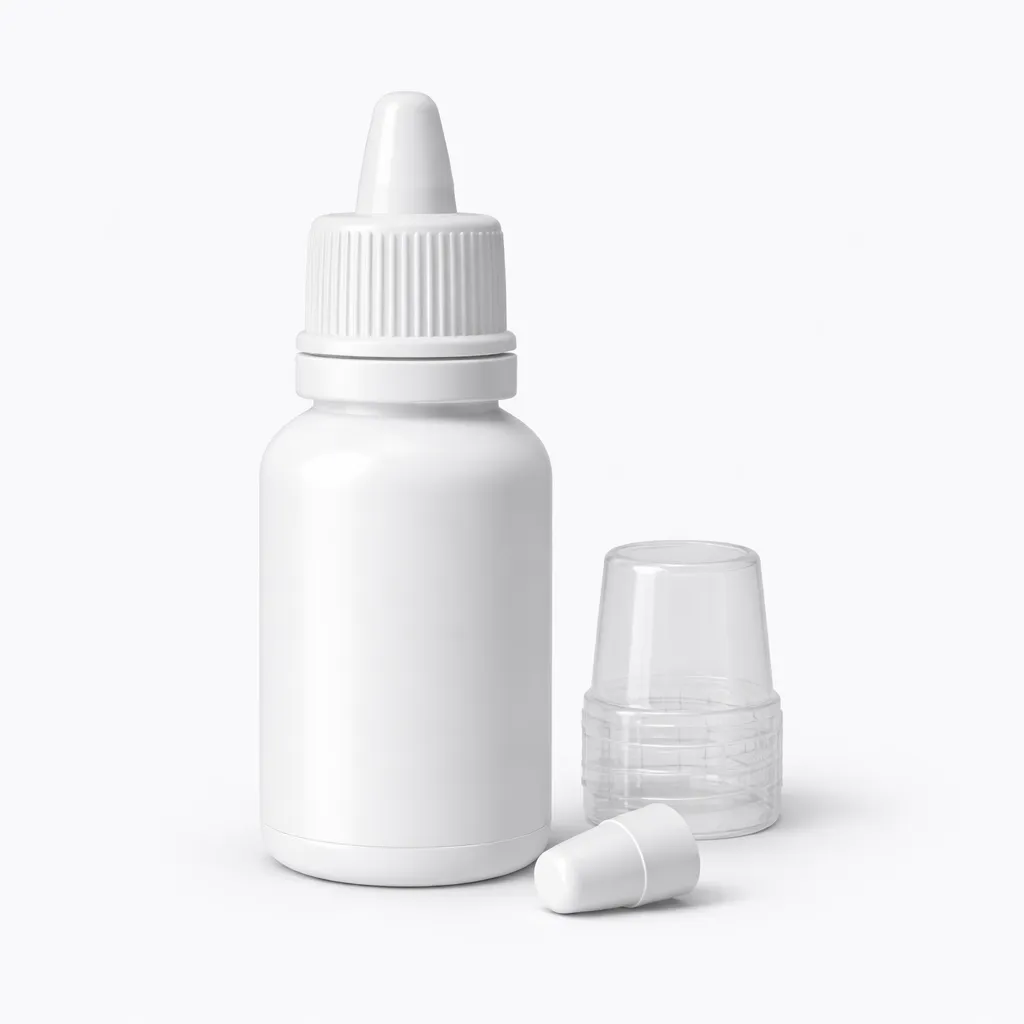
Description
FML LIQUIFILM EYE DROPS 5ML
Indications
FML Liquifilm Eye Drops are indicated for the treatment of inflammatory conditions of the eye and its surrounding structures. These conditions may include allergic conjunctivitis, keratitis, and post-operative inflammation following ocular surgery. The formulation is particularly beneficial for patients experiencing discomfort due to inflammation, providing relief and promoting healing.
Mechanism of Action
The active ingredient in FML Liquifilm Eye Drops is fluorometholone, a synthetic corticosteroid. Corticosteroids exert their effects by modulating the immune response and reducing inflammation. Fluorometholone works by inhibiting the release of inflammatory mediators, such as prostaglandins and leukotrienes, thereby decreasing redness, swelling, and discomfort associated with ocular inflammation. Its low propensity for ocular side effects makes it a preferred choice in managing eye inflammation.
Pharmacological Properties
Fluorometholone is characterized by its anti-inflammatory properties, which are achieved through the suppression of the immune response. The drug is well-absorbed into ocular tissues, providing localized action with minimal systemic absorption. The Liquifilm formulation enhances the stability and viscosity of the eye drops, allowing for prolonged contact with the ocular surface. This results in increased bioavailability and therapeutic efficacy, making it suitable for patients requiring frequent dosing.
Contraindications
FML Liquifilm Eye Drops are contraindicated in patients with a known hypersensitivity to fluorometholone or any other components of the formulation. Additionally, the use of these eye drops is not recommended in cases of viral infections of the cornea, such as herpes simplex keratitis, or in patients with fungal infections of the eye. Caution should be exercised in individuals with a history of glaucoma, as corticosteroids can elevate intraocular pressure.
Side Effects
Common side effects associated with the use of FML Liquifilm Eye Drops may include transient burning or stinging upon instillation, blurred vision, and increased intraocular pressure. Prolonged use of corticosteroids can lead to more serious complications, such as cataract formation and secondary ocular infections. It is essential for patients to report any unusual symptoms or changes in vision to their healthcare provider promptly.
Dosage and Administration
The recommended dosage for FML Liquifilm Eye Drops is typically one to two drops instilled into the affected eye(s) two to four times daily, depending on the severity of the condition. Patients should follow their healthcare provider’s instructions regarding the frequency and duration of treatment. It is crucial to avoid touching the tip of the dropper to any surface, including the eye, to prevent contamination. Patients should also wash their hands before and after using the eye drops.
Interactions
While specific drug interactions with FML Liquifilm Eye Drops have not been extensively studied, caution is advised when used concurrently with other ocular medications. The use of multiple eye drops should be spaced at least 5 to 10 minutes apart to ensure optimal absorption and efficacy. Patients should inform their healthcare provider of all medications they are currently taking, including over-the-counter products and supplements, to avoid potential interactions.
Precautions
Patients should use FML Liquifilm Eye Drops with caution, particularly those with a history of ocular hypertension or glaucoma. Regular monitoring of intraocular pressure is recommended during treatment. Additionally, long-term use of corticosteroids should be avoided unless deemed necessary by a healthcare provider. Patients should also be advised to avoid wearing contact lenses during the course of treatment, as this may exacerbate irritation and increase the risk of infection.
Clinical Studies
Clinical studies have demonstrated the efficacy of fluorometholone in managing ocular inflammation. In a randomized controlled trial, patients treated with FML Liquifilm experienced significant reductions in ocular inflammation compared to those receiving a placebo. The safety profile of fluorometholone has also been evaluated, showing a lower incidence of elevated intraocular pressure compared to other corticosteroids. These findings support the use of FML Liquifilm Eye Drops as a safe and effective option for the management of inflammatory eye conditions.
Conclusion
FML Liquifilm Eye Drops 5ml provide an effective solution for managing ocular inflammation associated with various conditions. With its unique formulation and favorable pharmacological properties, it offers patients relief from discomfort while minimizing the risk of side effects. As with any medication, it is essential for patients to use FML Liquifilm under the guidance of a healthcare professional to ensure optimal therapeutic outcomes.
Important
It is crucial to use FML Liquifilm Eye Drops responsibly and as directed by a healthcare professional. Patients should be aware of the potential side effects and contraindications associated with corticosteroid use. Regular follow-up with a healthcare provider is recommended to monitor the effectiveness of the treatment and adjust the regimen as necessary.