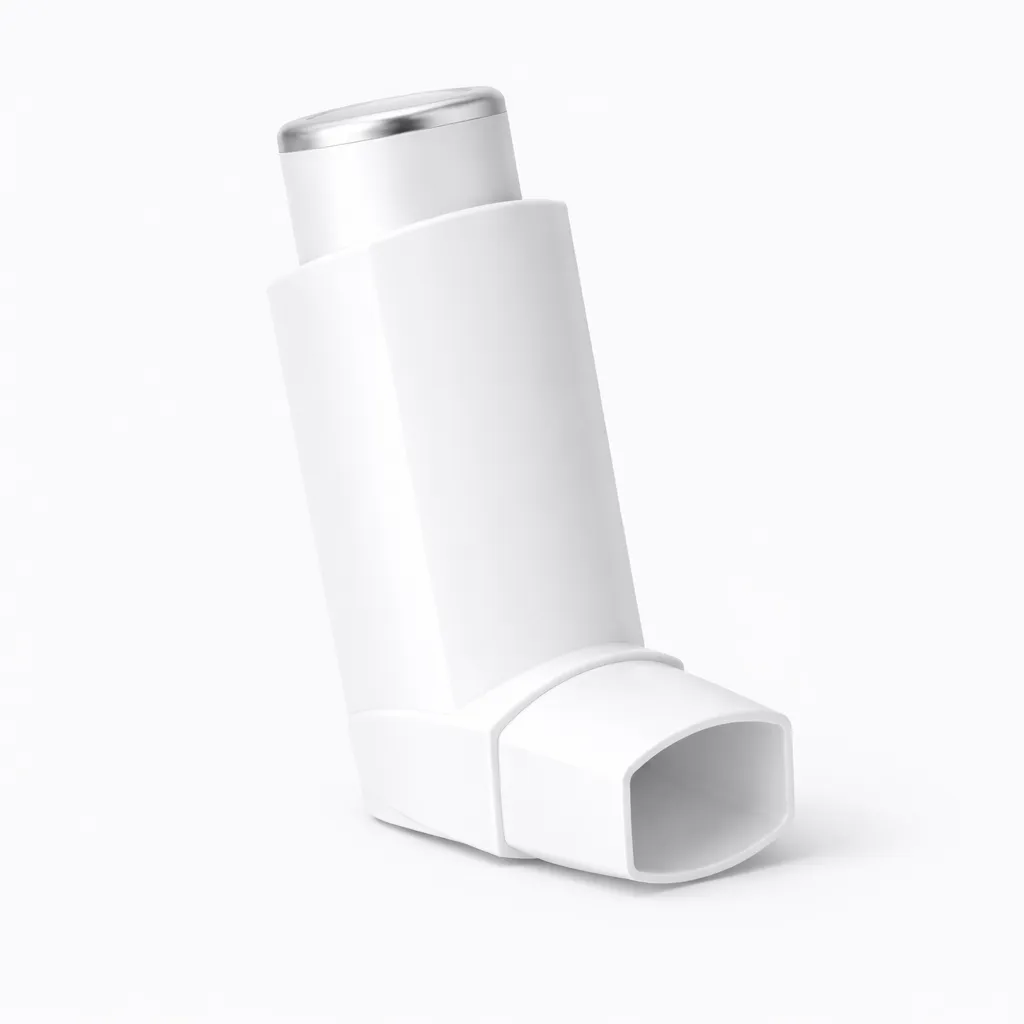
Description
FORACORT 200 MCG INHALER
Indications
Foracort 200 mcg inhaler is primarily indicated for the management of asthma and chronic obstructive pulmonary disease (COPD). It is used as a maintenance treatment to help control symptoms and prevent exacerbations in patients with these conditions. The inhaler combines two active ingredients: formoterol, a long-acting beta-agonist (LABA), and budesonide, a corticosteroid. This combination therapy is particularly beneficial for patients who experience persistent symptoms despite the use of inhaled corticosteroids alone.
Mechanism of Action
The mechanism of action of Foracort 200 mcg inhaler involves the synergistic effects of its two components. Budesonide works by reducing inflammation in the airways, thus decreasing swelling and mucus production. It binds to glucocorticoid receptors in the cytoplasm of target cells, leading to the modulation of gene expression and the subsequent reduction of inflammatory mediators. On the other hand, formoterol acts by stimulating beta-2 adrenergic receptors in the bronchial smooth muscle, resulting in bronchodilation. This dual action helps to alleviate symptoms such as wheezing, shortness of breath, and chest tightness.
Pharmacological Properties
Foracort 200 mcg inhaler contains budesonide and formoterol in a metered-dose inhaler format. Budesonide has a high local anti-inflammatory effect with a low systemic bioavailability, which minimizes potential side effects. Formoterol has a rapid onset of action, providing relief from bronchospasm within minutes, and a long duration of action that lasts up to 12 hours. The pharmacokinetics of both drugs allow for effective control of asthma and COPD symptoms, making Foracort a suitable choice for patients requiring long-term management.
Contraindications
Foracort 200 mcg inhaler is contraindicated in patients with a known hypersensitivity to budesonide, formoterol, or any of the excipients in the formulation. It should not be used as a rescue medication for acute asthma attacks or in patients with severe asthma exacerbations. Additionally, caution is advised in patients with a history of cardiovascular disease, particularly those with arrhythmias or severe hypertension, as the use of beta-agonists may exacerbate these conditions.
Side Effects
Common side effects associated with the use of Foracort 200 mcg inhaler include throat irritation, cough, headache, and oral candidiasis. Patients may also experience palpitations, tremors, or nervousness due to the beta-agonist component. Serious side effects, although rare, can include paradoxical bronchospasm, hypersensitivity reactions, and adrenal suppression. Patients should be advised to report any unusual symptoms or side effects to their healthcare provider promptly.
Dosage and Administration
The recommended dosage for adults and children aged 12 years and older is two inhalations of Foracort 200 mcg twice daily, administered via the inhaler. It is essential to use the inhaler consistently at the same times each day to maintain optimal control of symptoms. Patients should be instructed on the proper technique for using the inhaler to ensure effective delivery of the medication to the lungs. In cases of worsening symptoms, patients should consult their healthcare provider for potential adjustments in therapy.
Interactions
Foracort 200 mcg inhaler may interact with other medications, which can affect its efficacy or increase the risk of side effects. Co-administration with other beta-agonists, certain antidepressants (such as monoamine oxidase inhibitors), and diuretics may enhance the cardiovascular effects of formoterol. Additionally, the use of systemic corticosteroids may increase the risk of adrenal suppression when combined with budesonide. Patients should inform their healthcare provider of all medications they are taking, including over-the-counter drugs and herbal supplements, to avoid potential interactions.
Precautions
Before starting treatment with Foracort 200 mcg inhaler, patients should undergo a thorough medical evaluation, including a review of their medical history and current medications. It is essential to monitor patients for any signs of worsening asthma or COPD symptoms, as well as for potential side effects. Patients with a history of cardiovascular disease, seizures, or diabetes should use Foracort with caution, as these conditions may be exacerbated by the medication. Regular follow-up appointments with healthcare providers are recommended to assess the effectiveness of the treatment and make necessary adjustments.
Clinical Studies
Clinical studies have demonstrated the efficacy and safety of Foracort 200 mcg inhaler in managing asthma and COPD. In a randomized controlled trial, patients using Foracort experienced significant improvements in lung function, as measured by forced expiratory volume in one second (FEV1), compared to those using a placebo. Additionally, the incidence of exacerbations was notably lower in the Foracort group, highlighting its role in long-term management. The combination of budesonide and formoterol has been shown to provide superior control of symptoms compared to either medication used alone, making it a valuable option for patients with persistent respiratory conditions.
Conclusion
Foracort 200 mcg inhaler is an effective combination therapy for the management of asthma and COPD. Its dual action of reducing inflammation and promoting bronchodilation offers significant benefits for patients struggling with respiratory symptoms. While it is generally well-tolerated, careful consideration of contraindications, potential side effects, and drug interactions is essential for safe and effective use. Patients should be educated on the proper use of the inhaler and the importance of adherence to their prescribed treatment regimen. Regular follow-up with healthcare providers will ensure optimal management of their respiratory conditions.
Important
It is crucial to use Foracort 200 mcg inhaler responsibly and as directed by a healthcare professional. Patients should not exceed the recommended dosage and must seek medical advice if their symptoms worsen. Regular monitoring and communication with healthcare providers can help ensure safe and effective treatment.