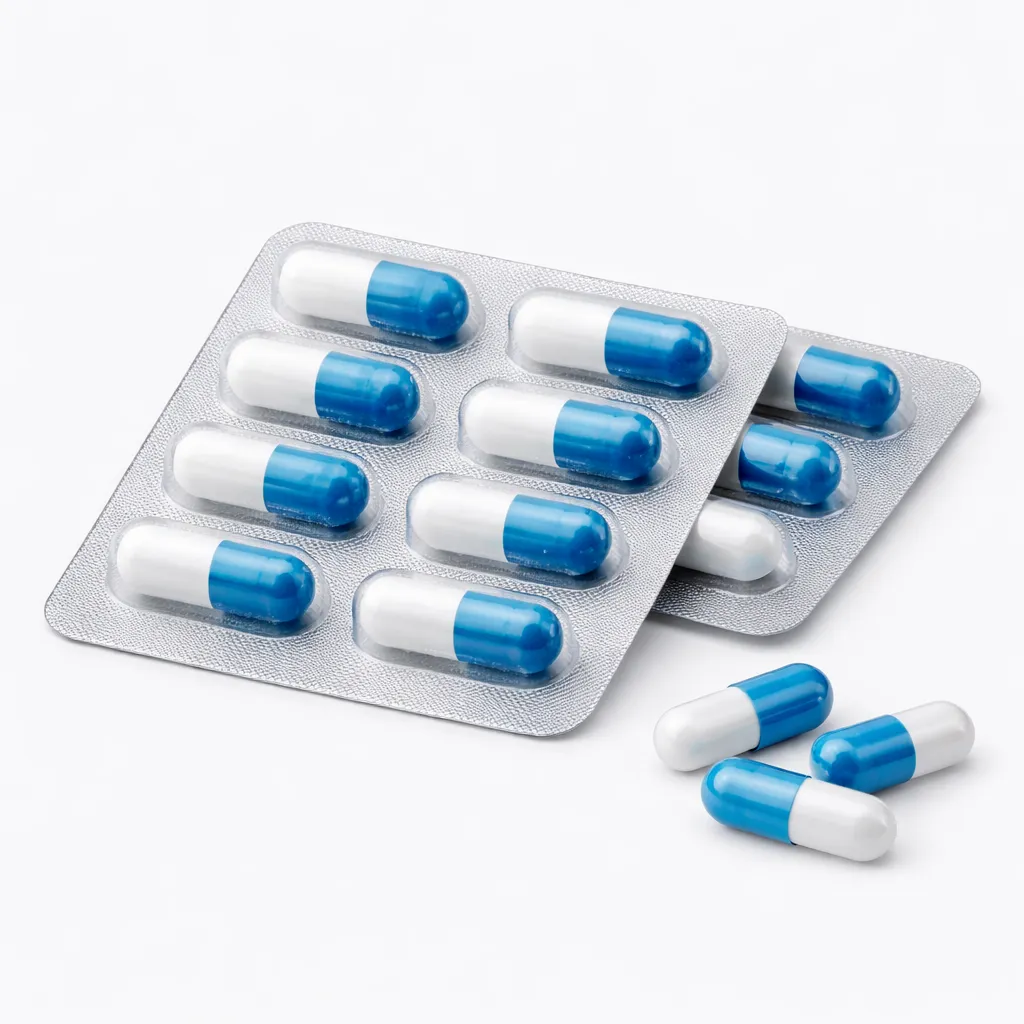
Description
GABATOP 800 MG
Indications
GABATOP 800 MG is primarily indicated for the management of epilepsy, specifically for the treatment of partial seizures with or without secondary generalization in adults and children aged 12 years and older. It is also used as an adjunctive therapy for patients with refractory epilepsy. Additionally, GABATOP may be prescribed for the treatment of neuropathic pain, including postherpetic neuralgia and diabetic neuropathy. The medication is beneficial for patients who have not responded adequately to other antiepileptic drugs.
Mechanism of Action
The active ingredient in GABATOP is gabapentin, which is structurally related to the neurotransmitter gamma-aminobutyric acid (GABA). However, it does not bind to GABA receptors nor does it convert into GABA in the body. Gabapentin is believed to exert its antiepileptic effects by inhibiting excitatory neurotransmitter release through binding to the alpha-2-delta subunit of voltage-gated calcium channels in the central nervous system. This action decreases neuronal excitability and stabilizes electrical activity in the brain, thereby reducing the frequency of seizures. In the context of neuropathic pain, gabapentin modulates the release of excitatory neurotransmitters involved in pain signaling.
Pharmacological Properties
GABATOP 800 MG is rapidly absorbed from the gastrointestinal tract, with peak plasma concentrations typically occurring within 2 to 3 hours after oral administration. The bioavailability of gabapentin is dose-dependent, ranging from 60% to 80%. Gabapentin is not extensively metabolized in the liver and is primarily excreted unchanged in the urine. The elimination half-life of gabapentin is approximately 5 to 7 hours, allowing for flexible dosing schedules. It is important to note that renal impairment may necessitate dosage adjustments due to altered clearance rates.
Contraindications
GABATOP 800 MG is contraindicated in patients with a known hypersensitivity to gabapentin or any of the excipients in the formulation. Caution is advised in patients with a history of substance abuse or those with significant renal impairment, as these factors may increase the risk of adverse effects or necessitate dosage adjustments. Pregnant and breastfeeding women should consult their healthcare provider before using this medication, as the safety profile in these populations has not been fully established.
Side Effects
Common side effects of GABATOP 800 MG include dizziness, fatigue, somnolence, and peripheral edema. Some patients may also experience gastrointestinal disturbances such as nausea, vomiting, and constipation. Serious side effects, although rare, may include hypersensitivity reactions, such as angioedema or anaphylaxis, and mood changes, including depression or suicidal thoughts. Patients should be advised to report any unusual symptoms to their healthcare provider promptly. It is essential to monitor patients for signs of increased seizure frequency or severity, particularly during the initial stages of treatment or when adjusting dosages.
Dosage and Administration
The recommended starting dose of GABATOP 800 MG for adults and children over 12 years of age is typically 300 mg on the first day, with gradual titration based on clinical response and tolerability. The usual maintenance dose ranges from 900 mg to 1800 mg per day, divided into three doses. For neuropathic pain, the dosing may vary, and it is crucial to follow the prescribing physician’s recommendations. GABATOP can be taken with or without food, and patients should be advised to maintain consistent dosing intervals to optimize therapeutic outcomes. In cases of renal impairment, dosage adjustments are necessary to prevent accumulation and toxicity.
Interactions
GABATOP 800 MG has a low potential for drug interactions due to its minimal metabolism in the liver. However, caution should be exercised when co-administering with other central nervous system depressants, such as opioids, benzodiazepines, or alcohol, as these combinations may enhance sedative effects and increase the risk of respiratory depression. Antacids containing aluminum and magnesium may reduce the bioavailability of gabapentin; therefore, it is recommended to space the administration of these medications by at least two hours. Patients should inform their healthcare provider of all medications and supplements they are taking to ensure safe and effective use of GABATOP.
Precautions
Before initiating treatment with GABATOP 800 MG, a thorough medical history should be obtained, and patients should be evaluated for any pre-existing conditions, particularly renal impairment, depression, or a history of substance abuse. Patients should be monitored closely for signs of mood changes or suicidal ideation, especially during the first few months of therapy or during dosage adjustments. Abrupt discontinuation of GABATOP is not recommended, as this may precipitate withdrawal seizures. A gradual tapering of the dose is advised to minimize this risk. Patients should also be counseled on the importance of adhering to prescribed dosages and follow-up appointments to ensure optimal management of their condition.
Clinical Studies
Numerous clinical studies have evaluated the efficacy and safety of gabapentin in both epilepsy and neuropathic pain management. In a randomized, double-blind, placebo-controlled trial involving patients with partial seizures, gabapentin demonstrated significant reductions in seizure frequency compared to placebo. Additionally, studies have shown that gabapentin is effective in reducing pain associated with diabetic neuropathy and postherpetic neuralgia, with improvements in overall quality of life reported by patients. Long-term studies have also indicated a favorable safety profile, with most adverse effects being mild to moderate in intensity.
Conclusion
GABATOP 800 MG is a valuable therapeutic option for patients suffering from epilepsy and neuropathic pain. Its unique mechanism of action, coupled with a favorable pharmacological profile, allows for effective management of these conditions. However, healthcare providers must remain vigilant regarding potential side effects and drug interactions. By ensuring proper dosing and monitoring, GABATOP can significantly improve the quality of life for patients while minimizing risks associated with treatment.
Important
It is essential to use GABATOP 800 MG responsibly and under the guidance of a qualified healthcare professional. Patients should adhere to prescribed dosages and report any adverse effects or concerns to their healthcare provider promptly.